How to Discharge a Capacitor Safely and Correctly

When working with electronic devices or circuits, understanding how to discharge a capacitor is one of the most important safety steps you can take. Capacitors store electrical energy, and even after power is removed, they can retain a dangerous charge. Failing to discharge them properly can lead to electric shocks, damaged components, or even explosions in high-voltage systems. Whether you’re repairing an appliance, troubleshooting a circuit, or learning electronics, it’s essential to know the correct process for discharging a capacitor safely.
What Is a Capacitor and Why It Holds a Charge
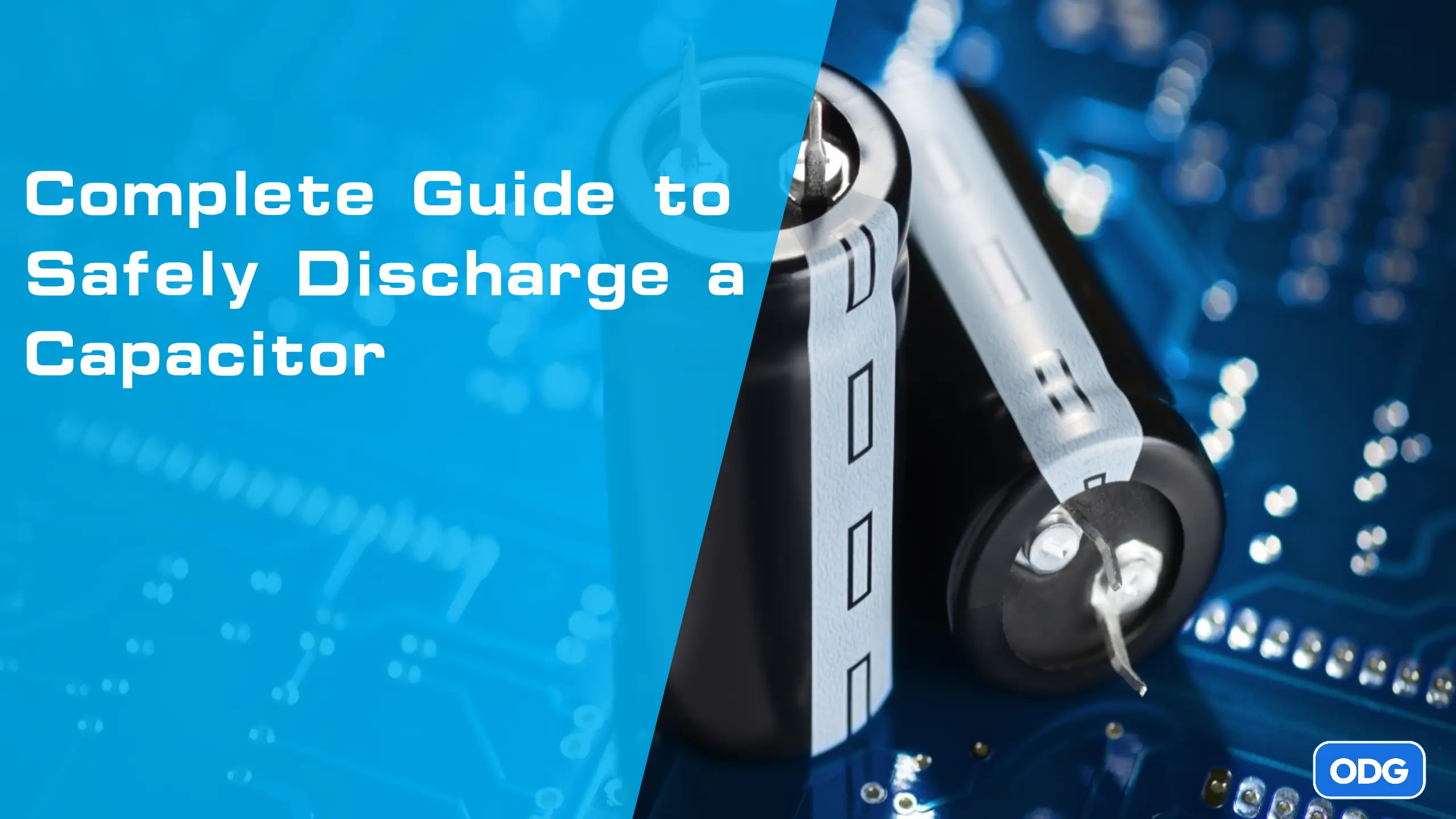
A capacitor is an electrical component that stores energy in an electric field. It consists of two conductive plates separated by an insulating material called a dielectric. When a voltage is applied, electrons accumulate on one plate, creating an imbalance that allows the capacitor to store energy. Once the power source is removed, this stored energy doesn’t just disappear—it remains until it’s safely released or used. That’s why learning how to discharge a capacitor is so critical before handling or testing any circuit.
Why Discharging a Capacitor Is Important
The danger of an un-discharged capacitor depends on its size and voltage rating. A small capacitor used in a low-voltage circuit might only give you a mild shock. However, larger capacitors—like those found in televisions, microwave ovens, or power supplies—can carry enough energy to cause serious injury or even death. Beyond personal safety, a charged capacitor can also damage sensitive electronics if you attempt to measure or replace components without discharging it first. By taking a few minutes to safely discharge it, you protect both yourself and your equipment.
Tools You’ll Need to Discharge a Capacitor
Before you begin, make sure you have the proper tools. You’ll need an insulated screwdriver or, preferably, a resistor designed for discharging capacitors. Using a resistor is safer because it allows the stored energy to drain gradually instead of all at once. You should also wear safety glasses and insulated gloves to protect against accidental sparks or shocks. A multimeter can be useful for confirming that the capacitor is fully discharged before handling it.
Steps on How to Discharge a Capacitor Safely
-
Turn off and unplug the device.
Never attempt to discharge a capacitor while the equipment is connected to power. Unplug the device and wait several minutes to allow any built-in discharge circuits to work.
-
Locate the capacitor.
Open the device carefully and identify the capacitor you need to discharge. Look for cylindrical or rectangular components with two leads or terminals. Take note of its voltage rating, usually printed on the casing.
-
Check for built-in bleeder resistors.
Some capacitors, especially in power supplies, have built-in resistors that automatically discharge them over time. However, don’t assume this is the case—always test before touching.
-
Discharge using a resistor.
This is the safest way. Connect a resistor (between 5kΩ and 50kΩ, rated for at least 5 watts) across the capacitor terminals using insulated leads. Hold it in place for several seconds to a minute, allowing the charge to bleed off gradually.
-
Discharge using a screwdriver (if necessary).
If you don’t have a resistor, you can use an insulated screwdriver. Hold the handle firmly and touch the metal shaft to both terminals simultaneously. You may see a small spark as the charge is released instantly. While effective, this method is riskier and not recommended for high-voltage capacitors.
-
Verify the discharge.
Once discharged, use a multimeter to check the voltage across the capacitor terminals. The reading should be close to zero volts. If there’s still a charge, repeat the process until it’s completely drained.
Safety Tips When Working With Capacitors
-
Always assume a capacitor is charged until you’ve verified otherwise.
-
Never touch both terminals at the same time.
-
Use only tools with insulated handles.
-
Keep one hand in your pocket when working with high-voltage equipment to reduce the risk of current passing through your heart if a shock occurs.
-
Dispose of damaged or leaking capacitors properly, as they can contain hazardous materials.
Conclusion
Knowing how to discharge a capacitor is an essential skill for anyone involved in electronics repair or maintenance. It’s not just about protecting your equipment—it’s about keeping yourself safe from electric shock or injury. Taking the time to use the right tools and follow the correct steps ensures that you can work confidently and responsibly. Always double-check that the capacitor is fully discharged before proceeding with any repair, and remember that safety should always come first when working with electricity.
Follow Us On Facebook For More Information:
https://www.facebook.com/OriginDataGlobalLimited