


























How Office Workstations Shape Productivity and Employee Satisfaction
The right workstation setup not only provides employees with the tools they need to perform but also creates an environment that fosters creativity, well-being, and efficiency.

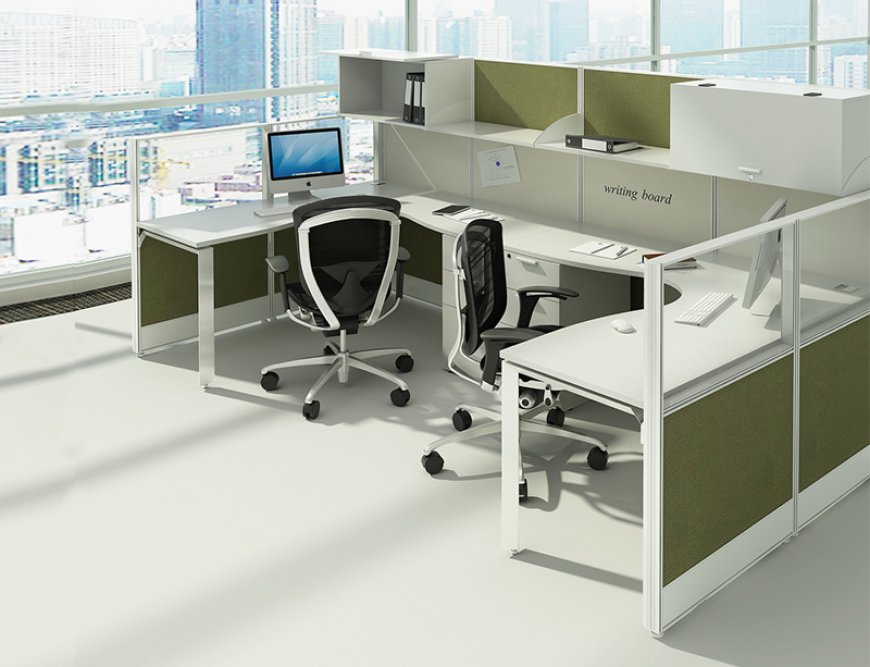
The workplace is no longer just a physical location where employees gather to complete tasksit has become a strategic tool that influences productivity, collaboration, and overall employee satisfaction. At the heart of this transformation lies the design and functionality of office workstations.
The Evolution of Workstations in Modern Offices
Gone are the days when offices were filled with uniform cubicles and rigid layouts. Todays office workstations are designed with flexibility and adaptability in mind. They must meet the diverse needs of employees while reflecting the companys culture and values. The shift toward open-plan offices, hybrid work models, and collaborative spaces has redefined the role of workstations in the modern workplace.
For instance, open benching systems allow teams to collaborate seamlessly, while modular cubicles give employees privacy when focus is needed. The evolution of workstations demonstrates how businesses have adapted to changing work dynamics and employee expectations.
The Link Between Workstations and Productivity
Productivity is closely tied to how comfortable and functional a workstation is. A cluttered, poorly designed setup can lead to distractions, discomfort, and reduced efficiency. On the other hand, thoughtfully designed office workstations optimize space, reduce physical strain, and provide employees with everything they need within arms reach.
Key features that boost productivity include:
-
Ergonomic chairs and desks that prevent fatigue.
-
Adequate storage solutions to minimize clutter.
-
Proper lighting that reduces eye strain.
-
Workstations positioned to reduce noise and distractions.
-
Integrated technology to simplify day-to-day tasks.
By investing in these features, companies empower employees to work smarter, not harder.
Employee Satisfaction and Workplace Comfort
Satisfaction in the workplace is often influenced by how employees feel in their environment. If their workstation is uncomfortable, poorly lit, or lacks privacy, it can quickly lead to dissatisfaction and disengagement. Modern office workstations are designed to enhance employee comfort, which in turn improves morale and loyalty.
Comfortable seating, adjustable desks, and well-designed layouts make employees feel valued and supported. When employees see that their company invests in their comfort, it fosters a sense of belonging and encourages them to perform at their best.
Balancing Collaboration and Privacy
One of the biggest challenges in workstation design is balancing collaboration with privacy. Open-plan workstations are great for teamwork, but they can also be noisy and distracting. On the other hand, enclosed cubicles offer privacy but may hinder communication.
The most effective office workstations strike a balance by offering different zones for different work modes. Collaborative pods or benching systems can be used for group projects, while high-partitioned or soundproof pods can be designated for deep, focused work. This hybrid approach ensures that employees have the flexibility to choose their environment based on their tasks.
The Role of Ergonomics in Satisfaction and Efficiency
Ergonomics is central to both productivity and satisfaction. Poor ergonomics can cause physical discomfort, leading to absenteeism and decreased performance. Modern office workstations integrate ergonomic solutions to keep employees healthy and comfortable.
These solutions include:
-
Height-adjustable desks that encourage movement.
-
Chairs designed to support posture and reduce back pain.
-
Monitor arms that position screens at eye level.
-
Keyboard trays that reduce wrist strain.
Ergonomically designed workstations minimize health risks and promote long-term employee wellness.
Technology Integration in Workstations
In todays digital era, no workstation is complete without technology integration. Employees rely heavily on computers, software, and communication tools. Modern office workstations support this by including built-in power outlets, USB ports, wireless charging, and effective cable management.
Dual-monitor setups, docking stations, and VoIP-enabled systems are becoming standard in many industries. These features reduce downtime, streamline workflows, and give employees the tools they need to perform complex tasks efficiently.
The Psychological Impact of Design
Workstation design also affects employees on a psychological level. Cluttered, outdated, or uninspiring spaces can drain energy and motivation, while well-designed office workstations create a sense of order and positivity.
Colors, textures, and layouts can influence mood. Bright, open workstations with natural light encourage creativity, while muted tones and clean lines may promote focus and calmness. Companies that carefully consider the psychological impact of workstation design can significantly enhance employee satisfaction and workplace culture.
Customization and Personalization
One of the most powerful ways to boost satisfaction is by allowing employees to personalize their workstations. When employees can adjust their desks, choose ergonomic features, or add personal touches like plants or photos, they feel more in control of their environment.
Personalization of office workstations not only improves comfort but also fosters a sense of ownership. Employees who feel connected to their workspace are often more engaged and motivated to perform well.
Sustainability in Workstation Design
Sustainability is an increasingly important factor in workstation design. Companies are choosing eco-friendly office workstations made from recyclable materials and adopting energy-efficient solutions.
Not only does this align with corporate social responsibility goals, but it also resonates with employees who value sustainability. Sustainable designs show that companies care about both the environment and the well-being of their workforce.
The Cost-Benefit of Investing in Quality Workstations
Some businesses hesitate to invest in high-quality workstations due to upfront costs. However, the long-term benefits far outweigh the expenses. Efficient office workstations lead to:
-
Reduced absenteeism due to better ergonomics.
-
Higher productivity levels.
-
Increased employee satisfaction and retention.
-
Lower turnover rates and training costs.
-
Optimized use of office space.
By viewing workstations as investments rather than expenses, businesses can create work environments that pay dividends in productivity and employee loyalty.
Future Trends in Office Workstations
The future of office workstations is evolving alongside workplace trends. With hybrid work models becoming more popular, companies are adopting flexible setups that support both in-office and remote employees. Key trends include:
-
Smart desks that automatically adjust to ergonomic preferences.
-
Mobile workstations that can be easily reconfigured.
-
Biophilic designs incorporating natural elements.
-
Wellness-oriented spaces with built-in mindfulness tools.
These trends highlight the ongoing importance of adaptability in workstation design.
Conclusion
Office workstations are more than just furniturethey are central to how businesses operate and how employees feel about their work environment. By designing workstations that balance collaboration with privacy, integrate ergonomics, and incorporate modern technology, businesses can dramatically improve both productivity and employee satisfaction.
A well-planned workstation strategy is not a luxuryit is a necessity for success in todays competitive business landscape. Companies that prioritize thoughtful workstation design demonstrate their commitment to efficiency, employee well-being, and long-term growth.


