EIC Explained: What an Electrical Installation Certificate Means for Your Property
Understanding the importance of an Electrical Installation Certificate can safeguard your property, but what happens if you don't have one?
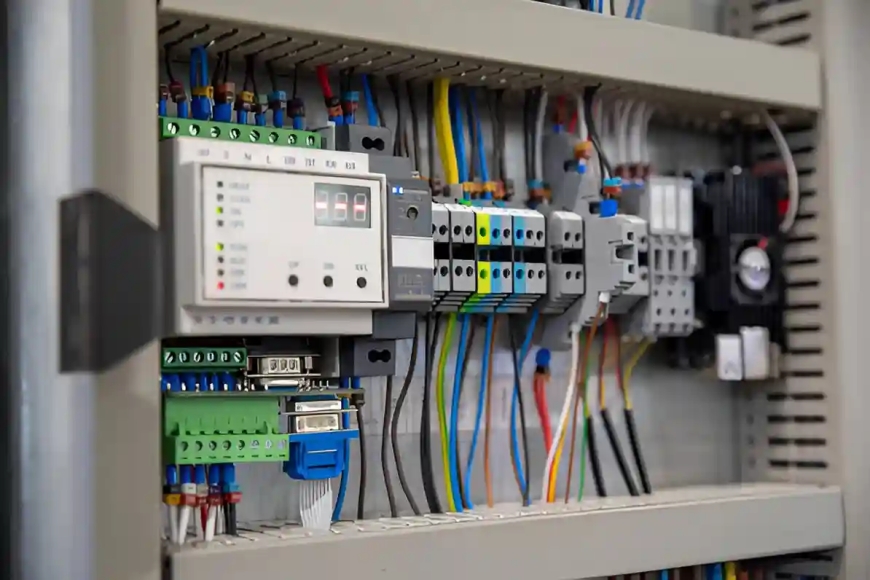
An Electrical Installation Certificate (EIC) is an essential document for property owners in the UK, particularly those seeking to ensure electrical safety and legal compliance. It verifies that all new electrical installations or major modifications meet national safety standards, providing peace of mind to homeowners, tenants, insurers, and buyers. More than just a technical requirement, an EIC also aligns with broader safety regulations, including the legal obligations of fire risk assessment.
What Is an Electrical Installation Certificate?
An Electrical Installation Certificate is issued when new electrical work is completed or significant modifications are made to a property. It provides official proof that the installation has been designed, installed, and tested according to the 18th Edition of the IET Wiring Regulations (BS 7671). This certificate assures homeowners and regulators that the system is safe, dependable, and legally compliant. The EIC not only offers vital safety information but also acts as a safeguard during property transactions. When selling or renting out a property, providing a current EIC can streamline the process and make the property more appealing to potential buyers or tenants. It confirms that the property meets current safety standards, which is often a key requirement alongside other documents such as Energy Performance Certificates or records related to fire risk assessments.
Why Is an EIC Important?
The main purpose of an EIC is to safeguard property occupants from electrical faults that could cause injury, fire, or property damage. It complements the legal requirements of fire risk assessments, ensuring a comprehensive approach to property safety. Insurance companies may also request a copy of the certificate to support claims related to electrical systems. Without it, policyholders risk delays or rejection. Similarly, during property transactions, solicitors often seek EICs as part of due diligence to confirm that qualified professionals have completed all installations and meet current standards.
When Is an Electrical Installation Certificate Required?
In the UK, an EIC is compulsory for new electrical installations, rewiring projects, the installation of new circuits, and significant modifications to existing systems. For instance, if you're installing a new consumer unit (fuse box) or expanding circuits to an additional room, an EIC must be issued once the work is completed. Not obtaining an EIC after such work not only breaches building regulations but also conflicts with legal fire risk assessment requirements. These assessments often rely on valid documentation that proves electrical installations meet standards. An absent or invalid EIC could result in a failed assessment and additional complications.
Who Can Issue an EIC?
Only electricians registered under a recognised competent person scheme, such as NICEIC or NAPIT, are authorised to issue an EIC. This guarantees the individual performing the work has the necessary qualifications and knowledge to deliver safe and regulation-compliant installations. It is vital to remember that only registered electricians understand both the technical standards and the wider compliance landscape, including how EICs contribute to fulfilling the legal requirements of fire risk assessment. Choosing a qualified electrician is not just advisable; it is essential for legal and safety reasons.
What Information Does an EIC Contain?
The certificate contains key information, such as:
- Property address and installation location
- Details of the work carried out
- Results of electrical testing
- The electricians credentials
- Any limitations or observations
This level of detail guarantees full transparency. It clearly shows what work was carried out and whether it complies with current safety standards. For landlords or commercial property owners, this information is essential during routine inspections related to the legal fire risk assessment requirements.
EIC vs. EICR: Whats the Difference?
While both documents serve to verify electrical safety, their purposes differ. An EIC is for new installations or significant alterations, whereas an Electrical Installation Condition Report (EICR) assesses the state of existing electrical systems. Landlords, in particular, must obtain EICRs at least every five years for rented properties, which is essential for fulfilling the legal requirements of fire risk assessment in residential settings. Meanwhile, EICs are more specific to recent electrical work and events.
The Process of Getting an EIC
The process of obtaining an Electrical Installation Certificate generally follows these steps:
- Planning: The electrician assesses the scope of work and plans the installation.
- Installation: Electrical work is carried out to the required standards.
- Testing: Rigorous tests are conducted to ensure functionality and safety.
- Documentation: All results and installation details are logged.
- Certification: The EIC is issued and handed over to the property owner.
This methodical process guarantees that all installations are not only completed accurately but also verifiably compliant. A well-documented EIC can be fundamental when providing evidence of compliance during audits or meeting the legal requirements of fire risk assessment obligations.
What to Expect During the Inspection
A qualified electrician will carry out both a visual inspection and technical testing. This involves checking for visible damage, ensuring that components are correctly installed, and performing tests for insulation resistance and circuit continuity. The inspection confirms that the installation is safe and complies with national standards.
This ensures the final system is fully compliant with electrical safety laws and indirectly supports adherence to the legal requirements of fire risk assessment procedures.
Benefits of Having an EIC
Possessing an EIC provides several long-term advantages:
- Legal compliance: Ensures your property meets regulatory obligations
- Insurance support: Serves as evidence during claim assessments
- Property value: Boosts buyer confidence and transaction speed
- Risk reduction: Minimises potential for fire or electric shock hazards
In essence, the EIC forms part of a broader compliance framework that includes the legal requirements of fire risk assessment, fire alarm installation, emergency lighting, and more.
Conclusion
An Electrical Installation Certificate is more than just a regulatory document; its a guarantee of safety, compliance, and responsibility. Whether youre a homeowner, landlord, or property manager, obtaining an EIC after electrical work isnt merely best practice; its vital. It bolsters your legal position, safeguards occupants, supports insurance claims, and meets broader building safety standards such as the legal requirement for fire risk assessments. Always hire a qualified electrician to carry out and certify electrical work. This not only ensures high-quality standards but also demonstrates your dedication to maintaining a safe and compliant property for the future.