


























Which Electric Bike is Better for Adventure: Lightweight or High-powered Models?
Electric bikes are the best alternative to traditional bikes, especially for adventure enthusiasts.

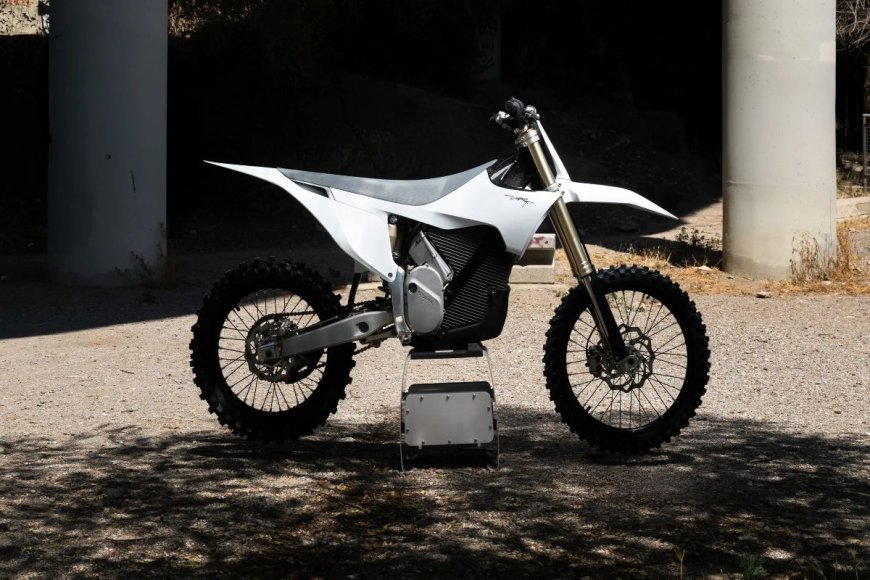
Electric bikes are the best alternative to traditional bikes, especially for adventure enthusiasts. They give you the same thrill of riding but with the added support of a motor, which makes steep climbs, long trails, and rough terrains much easier to handle. So, you can cover more ground and explore tougher routes without compromising environmental sustainability and feeling tired.
When it comes to buying an electric bike, many people struggle to choose between lighter models and heavier, more powerful ones. Each type has its own strengths, and the decision often depends on where and how you plan to ride. So, by looking closely at their main features, you can easily find out which one suits your needs better.
In this article, we will discuss the main points you should compare.
Weight and Portability
Weight affects almost everything about how a bike feels. A lightweight electric bike, like Sur-Ron Ultra Bee, is easier to lift, carry up steps or load on a car. You usually need less effort to push it off-road or to walk short sections. Moreover, these models also feel more lively and responsive in tight turns.
On the other hand, heavier, high-powered bikes feel solid at speed and can hold line over rough ground. So, if you plan to carry the bike often, use public transport, or tackle technical singletrack, choose lightweight models.
Motor Power and Speed
Motor power decides how quickly the bike responds and how easily it climbs. A high-powered motor gives you strong acceleration and makes steep climbs feel easier. That is useful when you want to keep pace with faster riders, or when you face long, hard ascents.
Lighter motors give smooth, steady assistance and usually use less battery for the same distance. If your rides include lots of steep hills or you value speed, a high-powered bike is better, but for a slow and relaxed ride, a lighter motor will suit you best.
Battery Life and Range
Battery size and efficiency determine how far you can go on a single charge. High-powered bikes use more energy when ridden hard, which shortens range unless they have a larger battery. Lightweight bikes often go further on the same battery because they need less power to assist you.
Think about your typical ride length and whether you can charge midday or not. For long-distance travel plans away from power points, choose a bike with a large, reliable battery and an efficient motor.
Handling and Manoeuvrability
Lightweight bikes usually feel quicker and easier to flick into a corner. They allow you to change direction fast and recover from mistakes more easily. In comparison, high-powered machines are often longer and heavier, which can make tight turns slower but improve stability at speed.
Suspension and Off-Road Capability
Suspension quality is key for comfort and control on rough trails. Bikes with longer travel forks and stronger rear suspension absorb big hits and keep your tyres on the ground. High-powered models often come with heavy-duty suspension to match their speed and weight. Lightweight bikes sometimes have less travel to keep the weight down, which can be fine on smoother tracks.
Control and Rider Skill
When it comes to choosing an electric bike, your riding skills matter too. High-powered bikes deliver quick throttle response and stronger torque that can be thrilling but also harder to control, especially on loose surfaces. Therefore, a lighter bike with gentler power delivery is a more reliable option for beginners.
Maintenance and Reliability
High-powered bikes often use stronger components that can take rough use, but they may need more care and occasional servicing, especially for the motor and drivetrain. On the other hand, lightweight bikes can be simpler to check and carry. Moreover, their repairs are also easier if parts are standard.
Comfort and Ergonomics
Seat design, handlebar height and frame geometry all play a key role in ensuring a comfortable ride. Heavy, high-powered bikes are often built for long, fast runs and can offer a relaxed ride position and good cushioning. Lightweight bikes may be more compact and sportier, which some riders find less comfortable on long days.
Cost and Value
High-powered, fully equipped bikes generally cost more because of larger batteries, stronger motors and better suspension. They also offer peak performance and heavy-duty components. Lightweight bikes can be cheaper but may sacrifice some top-end features.
Purpose and Personal Fit
At the end, match the bike to your main use and your personal comfort. Think about the routes you ride, how often you go out and whether you carry gear or need to lift the bike. If your adventures are fast, steep and long, a high-powered, rugged machine like the Stark Varg MX 1.2 will be best. However, for tight singletrack and tricky climbs, a lighter model is a more reliable choice.
Final Verdict
Now the ball is in your court. High-powered electric bikes offer exceptional performance, safety, and more coverage, while lighter bikes are easy to handle. So, you can consider both your needs and budget to choose the right one and enjoy a thrilling riding adventure.


