Polybutylene Adipate Terephthalate Manufacturing Plant 2025: A Comprehensive Cost Analysis of Materials, Equipment, and Technology
The polybutylene adipate terephthalate manufacturing plant report covers various aspects like unit operations, raw material and utility requirements, machinery and more.

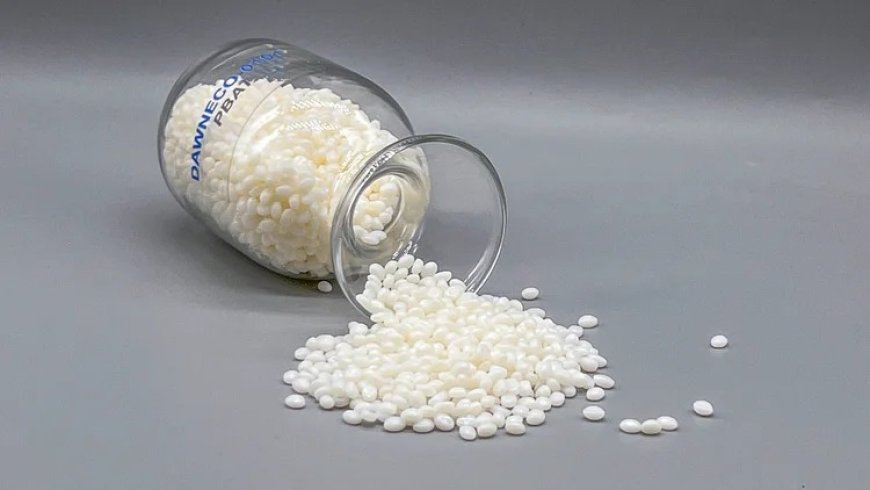
IMARC Group’s “Polybutylene Adipate Terephthalate (PBAT) Manufacturing Plant Project Report 2025: Industry Trends, Plant Setup, Machinery, Raw Materials, Investment Opportunities, Cost and Revenue” report provides a comprehensive guide on how to successfully set up a polybutylene adipate terephthalate (PBAT) manufacturing plant. The report offers clarifications on various aspects, such as unit operations, raw material requirements, utility supply, infrastructural needs, machinery models, labour necessities, transportation timelines, packaging costs, etc.
In addition to the operational aspects, the report also provides in-depth insights into polybutylene adipate terephthalate (PBAT) manufacturing plant setup cost, process, project economics, encompassing vital aspects such as capital investments, project funding, operating expenses, income and expenditure projections, fixed and variable costs, direct and indirect expenses, expected ROI, net present value (NPV), profit and loss account, and thorough financial analysis, among other crucial metrics. With this comprehensive roadmap, entrepreneurs and stakeholders can make informed decisions and venture into a successful polybutylene adipate terephthalate (PBAT) manufacturing unit.
What is Polybutylene Adipate Terephthalate (PBAT)?
Polybutylene adipate terephthalate (PBAT) is a biodegradable, semi-aromatic copolyester widely recognized for its flexibility, toughness, and environmental compatibility. It is produced through the polycondensation of 1,4-butanediol, adipic acid, and terephthalic acid, resulting in a polymer that combines the properties of both aliphatic and aromatic polyesters. PBAT exhibits excellent elongation at break, high impact resistance, and compostability under industrial conditions, making it a preferred material for sustainable packaging solutions. Its mechanical performance is comparable to conventional plastics such as low-density polyethylene, but with the added advantage of biodegradability. Common applications include shopping bags, mulch films, compostable packaging, and disposable items. With increasing regulatory pressure on single-use plastics and rising demand for eco-friendly alternatives, PBAT plays an important role in the transition toward sustainable materials in packaging, agriculture, and consumer goods industries.
Market Trend and Drivers of Polybutylene Adipate Terephthalate (PBAT):
The global polybutylene adipate terephthalate (PBAT) market is primarily driven by the increasing demand for biodegradable plastics as industries seek sustainable alternatives to traditional petroleum-based polymers. Stringent environmental regulations banning single-use plastics, particularly in regions such as Europe, North America, and parts of Asia, are accelerating PBAT adoption in packaging, agriculture, and consumer goods. Growing awareness among consumers regarding eco-friendly products is also influencing manufacturers to integrate PBAT into their product portfolios. In agriculture, PBAT-based mulch films are gaining traction due to their ability to reduce plastic waste and enhance soil quality. Furthermore, partnerships between biopolymer producers and packaging companies are expanding PBAT applications in compostable bags, food packaging, and disposable cutlery. Continuous advancements in production technologies, coupled with investments in scaling up cost-efficient manufacturing, are further driving market growth. Overall, sustainability initiatives, regulatory frameworks, and innovation in material science remain the core factors shaping the PBAT market.
Request a Sample Report: https://www.imarcgroup.com/polybutylene-adipate-terephthalate-manufacturing-plant-project-report/requestsample
Key Aspects to Setup a Polybutylene Adipate Terephthalate (PBAT) Plant:
- Location to Setup Plant
- Market Research
- Plant Layout
- Construction and Infrastructure
- Equipment/Machinery Procurement
- Documentation and Licenses
- Cost Analysis
Requirements to Setup a Facility:
- Funds
- Machinery
- Lands
Types of Costs to Setup a Factory:
- Land, Location and Site Development Cost
- Plant Layout Cost
- Machinery Requirements and Costs
- Raw Material Requirements and Costs
- Packaging Requirements and Costs
- Transportation Requirements and Costs
- Utility Requirements and Costs
- Human Resource Requirements and Costs
Project Economics:
- Capital Investments
- Operating Costs
- Expenditure Projections
- Revenue Projections
- Taxation and Depreciation
- Profit Projections
- Financial Analysis
Key Questions Answered in the Report:
- How has the polybutylene adipate terephthalate (PBAT) market performed so far and how will it perform in the coming years?
- What is the market segmentation of the global polybutylene adipate terephthalate (PBAT) market?
- What is the regional breakup of the global polybutylene adipate terephthalate (PBAT) market?
- What are the price trends of various feedstocks in the polybutylene adipate terephthalate (PBAT) industry?
- What is the structure of the polybutylene adipate terephthalate (PBAT) industry and who are the key players?
- What are the various unit operations involved in a polybutylene adipate terephthalate (PBAT) manufacturing plant?
- What is the total size of land required for setting up a polybutylene adipate terephthalate (PBAT) manufacturing plant?
- What is the layout of a polybutylene adipate terephthalate (PBAT) manufacturing plant?
- What are the machinery requirements for setting up a polybutylene adipate terephthalate (PBAT) manufacturing plant?
- What are the raw material requirements for setting up a polybutylene adipate terephthalate (PBAT) manufacturing plant?
- And more…
How IMARC Can Help?
IMARC Group is a global management consulting firm that helps the world’s most ambitious changemakers to create a lasting impact. The company provide a comprehensive suite of market entry and expansion services. IMARC offerings include thorough market assessment, feasibility studies, company incorporation assistance, factory setup support, regulatory approvals and licensing navigation, branding, marketing and sales strategies, competitive landscape and benchmarking analyses, pricing and cost research, and procurement research.
Services:
- Plant Setup
- Factoring Auditing
- Regulatory Approvals, and Licensing
- Company Incorporation
- Incubation Services
- Recruitment Services
- Marketing and Sales
Contact Us:
IMARC Group
134 N 4th St. Brooklyn, NY 11249, USA
Email: sales@imarcgroup.com
Tel No:(D) +91 120 433 0800
United States: +1-631-791-1145