Importance of Reception Desk Design in Modern Workspaces

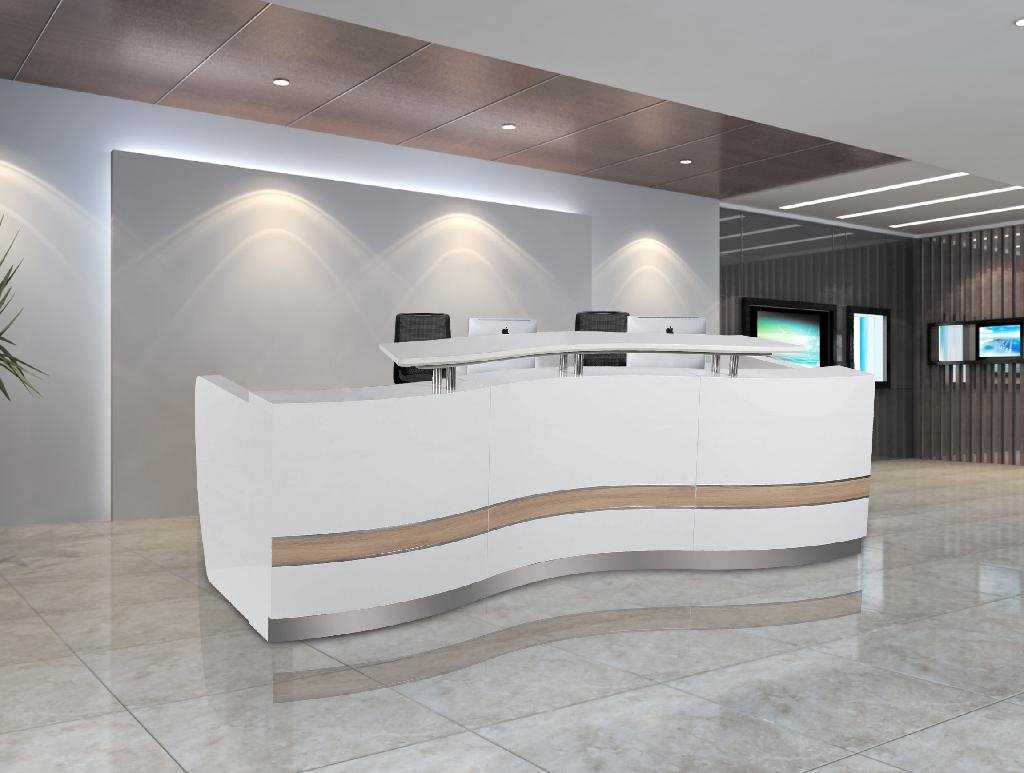
In todays business landscape, first impressions are critical, and your reception area plays a major role in shaping that initial perception. At the heart of any welcoming space lies the reception desk, which serves not only as a functional workstation but also as a powerful statement piece that reflects a brands identity. A well-thought-out reception desk design goes beyond aesthetics. It combines functionality, spatial efficiency, and a strong visual appeal to create a positive experience for visitors and staff alike. Whether it's a corporate office, medical center, hotel lobby, or co-working space, the design of the reception desk sets the tone for what clients and guests can expect from the organization. It should create a welcoming environment, project professionalism, and accommodate the practical needs of receptionists who operate it daily.
Elements That Define Effective Reception Desk Design
An effective reception desk design is not merely about style; it integrates multiple elements that collectively enhance its functionality and impact. These include ergonomic layout, durable materials, appropriate lighting, accessible storage, and technological integration. Ergonomics plays a vital role, as reception staff often work long hours. The height of the desk, seating comfort, monitor positioning, and accessibility to documents and equipment must be prioritized to prevent fatigue and encourage productivity. Materials should be selected not only for their visual appeal but also for their durability and ease of maintenance. High-traffic reception areas require surfaces that can withstand wear and tear without losing their charm. Furthermore, lighting embedded into the desk or the surrounding area should ensure visibility without causing glare or eye strain. Storage solutions like drawers, shelves, and compartments built into the desk help keep the workspace organized. Finally, with digitalization being a norm, designs should allow for the seamless integration of technology, such as computer systems, card readers, intercoms, and cable management systems.
Trends Influencing Reception Desk Design Today
Reception desk design is rapidly evolving with changes in office culture, technological advancements, and architectural trends. Minimalism is a dominant trend, where clean lines and uncluttered surfaces create a calm and sophisticated look. Materials like wood, glass, and metal are often combined to give a modern yet warm feel. Color choices are also shiftingneutral palettes are still in demand, but many businesses now incorporate bold accent colors to reflect their brand. Another noticeable trend is customization. Businesses are seeking bespoke reception desk designs that align with their corporate values, interior decor, and branding elements. Personalized logos, brand colors, and creative shapes are being incorporated to reinforce identity. Additionally, sustainability is a rising concern. Eco-friendly materials like bamboo, reclaimed wood, or recycled metals are being chosen to promote green practices. With hybrid work models and flexible spaces, modular reception desks are gaining popularity. These can be easily reconfigured as per changing needs, making them a smart investment for growing companies.
Reception Desk Design for Small and Large Spaces
The size of the reception area significantly impacts the reception desk design choices. For small offices, it is essential to maximize space without compromising on style. Compact desks with integrated storage and multi-functional features work best. Sleek designs that use vertical space and create an illusion of openness are highly effective. In such settings, lighter materials and colors help enhance the feeling of spaciousness. On the other hand, large offices or expansive lobbies offer more room to experiment with bold designs. L-shaped or U-shaped reception desks are commonly used to accommodate multiple staff members. These designs can include dedicated zones for greeting guests, handling calls, or managing deliveries. Large reception desks can also act as focal points and are often built with premium materials, backlit logos, and branded artwork. Incorporating lounge areas, greenery, and visitor kiosks around the desk adds to the welcoming ambiance. In both cases, the design must support smooth movement and clear sightlines, ensuring that visitors can approach the desk with ease.
Balancing Aesthetics and Functionality in Reception Desk Design
Striking the perfect balance between aesthetics and functionality is the hallmark of excellent reception desk design. While it is tempting to focus solely on visual appeal, it is the usability of the desk that defines its long-term success. A beautiful desk that is uncomfortable or inefficient can hamper the productivity of receptionists and affect visitor experience negatively. Therefore, the design must facilitate easy communication, data handling, and workflow management. It should cater to both seated and standing interactions, especially in environments where accessibility is a legal and ethical requirement. Curved designs, layered counters, and clear divisions between public and private areas can help achieve this. Lighting design also plays a dual role hereaccent lights can enhance aesthetics, while task lighting ensures proper visibility for day-to-day operations. Choosing the right hardwarelocks, handles, hinges, and keyboard traysensures longevity and adds subtle but important touches to the design.
Customizing Reception Desk Design to Your Industry
Every industry has unique requirements, and your reception desk design should reflect the specific needs of your sector. In healthcare facilities, for example, the design must consider patient privacy, infection control, and easy sanitization. A glass barrier, antibacterial surfaces, and ample space for documentation are typical features. In hotels, the reception desk becomes a hospitality hub. It needs to cater to check-in processes, concierge services, and currency handling. A luxurious look with warm lighting, inviting materials like marble or wood veneer, and ample storage for brochures and information is ideal. In creative agencies or startups, the desk design often leans towards bold, quirky, or artistic. These desks serve as conversation starters and mirror the innovative spirit of the company. Meanwhile, in legal or financial firms, the preference is often for a more formal, conservative look, with rich woods, dark tones, and professional finishes. Understanding your audience and operational needs is crucial for designing a reception desk that not only looks good but works well too.
Investing in the Right Reception Desk Design Pays Off
Your reception area is more than just a waiting room; its a dynamic space that defines your businesss personality. A thoughtfully crafted reception desk design enhances efficiency, improves visitor interaction, and promotes a cohesive brand identity. The right design encourages comfort, trust, and satisfaction, setting the tone for successful business relationships. Moreover, a smart design investment today prevents frequent upgrades and supports scalability as your business grows. A versatile design that allows easy maintenance and future enhancements ensures that your space remains fresh, functional, and fashionable for years. Whether youre renovating your office or moving into a new space, placing emphasis on reception desk design will bring long-term value and elevate your professional image in ways that truly matter.
Conclusion
In summary, reception desk design is not just an architectural decisionit is a strategic choice that reflects your brand, facilitates workflow, and enhances the client experience. When aesthetics and practicality are harmoniously integrated, the result is a space that leaves a lasting impression. For businesses seeking innovative, efficient, and visually appealing reception solutions, Office furniture offers a diverse range of customizable designs that blend beauty with purpose.