How Can You Start a Career as a Flutter Developer in India?
Learn how to start a successful career as a Flutter developer in India with essential tips, required skills, and job opportunities to kickstart your journey in app development.

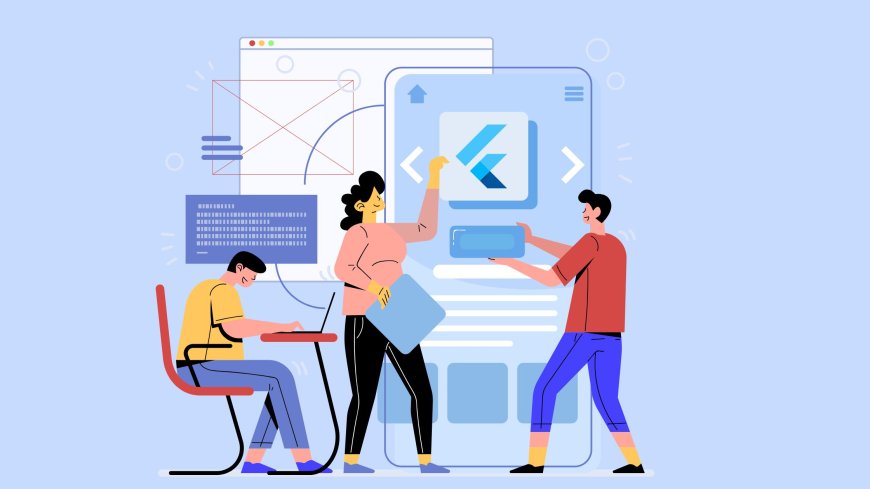
Starting a career as a Flutter developer in India offers exciting opportunities in the fast-growing mobile app development industry. Flutter, Google’s open-source UI toolkit, is in high demand for building cross-platform apps efficiently with a single codebase. As more companies look to hire Flutter developers in India for both in-house and remote projects, there’s never been a better time to get started. Whether you're a student, fresher, or a developer looking to switch careers, mastering Flutter can open doors to roles in startups, tech companies, and freelance markets.
Begin by learning Dart—the language behind Flutter—and building real-world projects to showcase your skills. Staying updated with trends and joining developer communities will also boost your visibility. In this guide, we’ll walk you through the steps to successfully launch your Flutter development career in India.
Why Choose Flutter for Mobile App Development?
Before you dive into how to become a Flutter developer, it’s important to understand why this framework is so popular. Flutter allows developers to write code once and run it on both Android and iOS platforms, significantly reducing development time. It’s an open-source framework created by Google, and it offers great performance, ease of use, and an ever-growing community of developers.
High Demand for Flutter Developers in India
Indian companies are increasingly turning to Flutter for building cross-platform apps. This demand has led to numerous job opportunities for skilled Flutter developers. Additionally, as businesses prioritize mobile-first strategies, developers who are proficient in Flutter are in high demand, both for full-time jobs and freelance gigs.
Prerequisites for Becoming a Flutter Developer
Before you jump into learning Flutter, there are a few foundational skills that can make your journey smoother.
Basic Knowledge of Programming Languages
To become proficient in Flutter, you need to have a strong grasp of Dart, the programming language that powers Flutter. Dart is easy to pick up if you already have experience with programming languages like JavaScript, Java, or Python. A basic understanding of object-oriented programming (OOP) concepts will also help as you dive into Flutter development.
Familiarity with Mobile Development Concepts
While Flutter simplifies a lot of the complexities of mobile app development, you should still be familiar with basic mobile development concepts. Understanding mobile app architecture, UI/UX principles, and platform-specific design guidelines will give you a solid foundation for building apps that meet industry standards.
Steps to Get Started as a Flutter Developer
Now that you have the prerequisites in place, it’s time to start learning Flutter and build your career.
Learn the Dart Programming Language
The first step in your journey is to learn Dart. Since Flutter uses Dart as its programming language, knowing how to write clean, efficient Dart code is critical.
-
Resources to learn Dart: You can start by reading the official Dart documentation on the Dart website. There are also many online platforms like Udemy, Coursera, and Codecademy that offer courses in Dart.
-
Practice coding: As you learn, practice writing Dart code by building small projects. This will help you become more comfortable with syntax, libraries, and frameworks.
Master the Flutter Framework
Once you're comfortable with Dart, it’s time to move on to Flutter. You can start learning Flutter by going through its official documentation, which provides step-by-step guides to get you started.
-
UI/UX with Flutter: Flutter is known for its rich set of widgets, which allow you to build beautiful and responsive UIs. Practice building different UIs with Flutter’s pre-built widgets and layout options like containers, rows, columns, and stacks.
-
State management: A crucial part of Flutter development is managing the app’s state. Flutter provides several state management approaches, including Provider, Riverpod, BLoC, and Redux. Choose one to master and apply it in your projects.
-
APIs and Integration: Flutter makes it easy to connect with APIs and fetch data. Practice integrating your Flutter app development with RESTful APIs and learn how to handle data asynchronously using FutureBuilder and StreamBuilder.
Build Projects to Strengthen Your Skills
Once you have the basics down, start working on real-world projects. Practical experience is the best way to solidify your skills. Here are some ideas for Flutter projects to help you build a strong portfolio:
-
Todo List App: A simple app that allows users to create, update, and delete tasks.
-
Weather App: Integrate with a weather API to show current weather data.
-
E-commerce App: Build a basic e-commerce platform with features like browsing products and placing orders.
These projects will help you demonstrate your skills and add tangible examples to your portfolio.
Essential Tools and Resources for Flutter Developers
As a Flutter developer, you’ll need a few tools to streamline your development process.
Flutter SDK and IDEs
-
Flutter SDK: The first thing you need is to install the Flutter SDK on your machine. It contains all the necessary tools to compile and run Flutter apps.
-
IDE: Flutter is compatible with several IDEs, including Android Studio, Visual Studio Code, and IntelliJ IDEA. Visual Studio Code is often recommended due to its lightweight nature and the wide range of Flutter plugins available.
DartPad for Quick Prototyping
If you want to quickly experiment with Dart and Flutter without setting up your development environment, you can use DartPad. DartPad is an online tool that allows you to write, run, and share Dart and Flutter code directly in your browser.
Git and GitHub for Version Control
Version control is critical for managing your codebase, especially when working on team projects. Learn Git and use GitHub to store your code, collaborate with other developers, and track your progress.
Where to Look for Jobs as a Flutter Developer in India
Once you’ve built a few projects and feel confident with your Flutter skills, it’s time to look for job opportunities.
Job Portals
Websites like Naukri, Indeed, and LinkedIn are great platforms to search for Flutter developer jobs in India. These platforms offer a range of opportunities from startups to large tech companies. Make sure your profile is up-to-date and showcases your skills and projects.
Freelancing Platforms
If you’re more interested in freelance work, platforms like Upwork, Fiverr, and Freelancer provide access to a wide range of mobile app development projects. As a freelancer, you can work with clients from different parts of the world and gain valuable experience.
Networking and Communities
Networking can play a big role in finding job opportunities. Join Flutter-specific communities on platforms like Reddit, Stack Overflow, and Dev.to. Attend Flutter meetups, webinars, and conferences to meet like-minded professionals and learn from industry experts.
Continuous Learning and Growth
The tech industry is always evolving, and Flutter is no exception. As a Flutter developer, it’s important to keep up with new features, updates, and best practices.
Follow Flutter Updates
Flutter is actively developed by Google, and new features and bug fixes are released regularly. Follow Flutter’s official blog, GitHub page, and community forums to stay updated with the latest changes.
Contribute to Open Source
Once you become comfortable with Flutter, contributing to open-source projects is a great way to learn and grow. Not only will you help the community, but you’ll also improve your skills by collaborating with experienced developers.
Build a Personal Brand
As you gain experience, start building your personal brand as a Flutter developer. Write blog posts, share your work on GitHub, and create tutorials. Establishing a strong online presence will help you stand out in the job market and open up more opportunities.
Conclusion
Becoming a Flutter developer in India is a rewarding journey that requires a mix of technical skills, creativity, and continuous learning. By mastering Dart, learning Flutter, building real-world projects, and staying updated with the latest trends, you can set yourself up for success in this fast-growing field. Whether you choose to work as a full-time developer or explore freelance opportunities, there’s no shortage of prospects for skilled Flutter developers in India.
Stay committed to your growth, and keep challenging yourself with new projects to enhance your skills. The world of Flutter development is waiting for you!