How a Regenerative Desiccant Air Dryer Can Boost Your Equipment’s Lifespan

Industrial machinery is an investment that requires consistent care to maintain peak performance and longevity. One often overlooked factor in protecting that investment is the quality of compressed air running through the system. Moisture in compressed air can silently damage internal components, leading to costly repairs and early equipment replacement. This is where a regenerative desiccant air dryer becomes essential. By removing moisture to extremely low levels, it protects equipment from corrosion, contamination, and unexpected breakdowns, ultimately extending operational life and reducing downtime.
Why Moisture is a Hidden Threat to Equipment
Moisture may seem harmless, but in industrial settings, it is one of the most damaging contaminants. When air is compressed, its capacity to hold water decreases, leading to condensation inside pipelines, valves, and other system components. Over time, this moisture fosters corrosion, erodes metal surfaces, and can even cause ice blockages in colder environments.
In pneumatic systems, water can wash away lubrication, making moving parts grind against each other and wear down prematurely. Electrical components exposed to moisture face the risk of short-circuits and operational failure. The damage often starts small and goes unnoticed until it results in costly downtime, making moisture control a top priority for any maintenance strategy.
How a Regenerative Desiccant Air Dryer Works
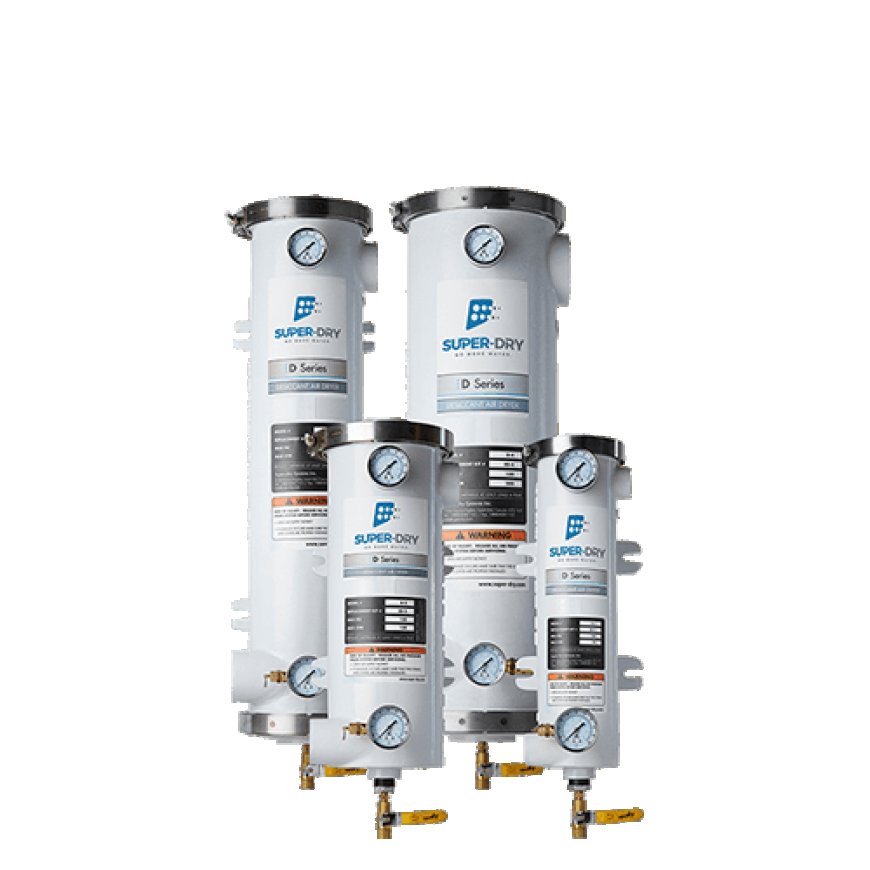
A regenerative desiccant air dryer tackles the moisture problem by using a drying agentcalled desiccantthat captures water vapor from compressed air. The regenerative part refers to the systems ability to restore the drying capacity of the desiccant for continuous operation. This is achieved through a two-tower design. While one tower actively dries the incoming air, the other undergoes regeneration to expel the accumulated moisture, readying it for the next cycle.
This constant process ensures a steady supply of dry air, often achieving dew points as low as -40F or even lower. The result is air that is virtually free of moisture, protecting every downstream component from the damage that would otherwise be caused by condensation.
Extending Equipment Lifespan Through Moisture Control
When moisture is eliminated from the compressed air supply, equipment operates in a much cleaner and safer environment. Internal parts stay free from rust and scale buildup, seals remain intact, and lubricants retain their effectiveness. This translates into longer intervals between repairs, fewer part replacements, and improved efficiency.
For industries that operate around the clock, the benefits are especially significant. A regenerative desiccant air dryer minimizes unplanned downtime caused by moisture-related failures, allowing production schedules to stay on track. In the long run, this proactive protection directly contributes to extending the usable life of expensive machinery.
Supporting High-Precision Applications
Certain industries demand extremely dry air to maintain quality and performance. In pharmaceutical manufacturing, even a trace of moisture can compromise the integrity of a product. In electronics, condensation can lead to component failure during assembly or storage. In painting and finishing processes, water vapor can cause defects like blistering or uneven coatings.
A regenerative desiccant air dryer meets these challenges by delivering air that exceeds typical dryness standards. The consistent quality ensures that precision processes run smoothly and that sensitive equipment remains unaffected by the environmental conditions within the compressed air system.
The Cost-Effectiveness of Investing in a Dryer
Although a regenerative desiccant air dryer requires a higher initial investment than some other drying methods, its long-term savings justify the cost. By preventing moisture-related damage, it reduces the frequency of repairs, lowers the need for replacement parts, and minimizes downtime losses. Over the lifespan of your equipment, the savings in maintenance and production reliability often surpass the initial purchase price.
Additionally, modern designs incorporate energy-saving features that optimize the regeneration process, using purge air only when necessary. This efficiency helps lower operating costs while maintaining maximum protection for the equipment.
Adaptability in Challenging Environments
One of the strengths of a regenerative desiccant air dryer is its ability to perform well in extreme conditions. High humidity, temperature fluctuations, and outdoor installations pose no significant challenge to this technology. In fact, it is often chosen over refrigerated dryers in situations where ultra-low dew points are essential, or where environmental conditions would otherwise cause condensation to form rapidly.
This adaptability makes it an invaluable solution across industries such as food processing, automotive manufacturing, aerospace engineering, and heavy equipment maintenance. No matter the operating environment, it ensures that the air supply remains consistently dry.
Maintenance for Ongoing Performance
Like any piece of industrial equipment, a regenerative desiccant air dryer benefits from regular maintenance to ensure it continues working at peak efficiency. Routine checks of filters, valves, and desiccant condition help prevent any decline in performance. Over time, the desiccant material will need to be replaced, but with proper monitoring and care, this interval can be extended significantly.
Many modern units feature digital monitoring systems that track dew point levels and alert operators when service is required. This proactive approach helps avoid unexpected failures and keeps the entire compressed air system running smoothly.
A Long-Term Strategy for Equipment Protection
Incorporating a regenerative desiccant air dryer into your compressed air system is more than just a technical upgradeit is a strategic decision for long-term equipment protection. By delivering consistently dry air, it safeguards every component downstream from the compressor, from tools and actuators to process machinery and control systems.
The benefits compound over time. Less corrosion means fewer leaks, reduced wear extends the life of seals and gaskets, and better lubrication retention improves operational efficiency. The result is equipment that not only lasts longer but also performs more reliably throughout its lifespan.
Conclusion
Moisture in compressed air is a silent threat that can undermine the performance, reliability, and longevity of industrial equipment. A regenerative desiccant air dryer provides an effective and continuous solution to this problem, ensuring that air remains dry and equipment stays protected. Its ability to maintain extremely low dew points, operate in challenging environments, and deliver consistent results makes it an invaluable part of any compressed air system.
By investing in this technology, industries can significantly reduce maintenance costs, avoid unplanned downtime, and extend the operational life of their most valuable machinery. In the competitive world of modern manufacturing and production, such an investment is not just about protecting equipmentits about protecting productivity and profitability for years to come.