


























Harnessing the Future The Rise of Virtual Power Plants
Discover Virtual Power Plants: uniting solar, batteries, and smart tech for a resilient, sustainable grid. Learn benefits and future trends.

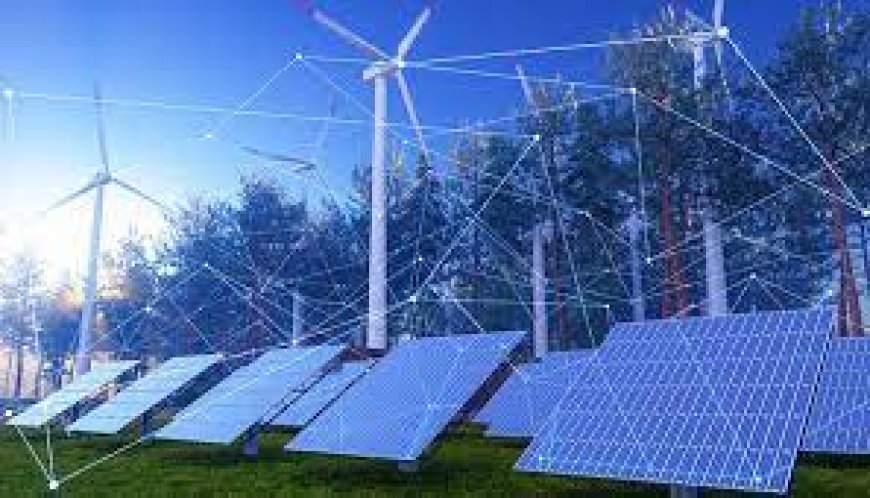
gleamed on rooftops, the community faced a challenge. During peak summer days, the grid strained under the demand for air conditioning, threatening blackouts. But then, a quiet revolution began. Homes and businesses, equipped with smart batteries and connected devices, started sharing their stored energy, stabilizing the grid as if by magic. This wasnt a futuristic dreamit was the work of a Virtual Power Plant, a system that transformed scattered energy resources into a unified powerhouse, delivering clean, reliable energy to all.
What Are Virtual Power Plants?
Defining the Concept
A Virtual Power Plant (VPP) is a network of decentralized, small-scale energy resourceslike solar panels, wind turbines, battery storage systems, and even electric vehiclesconnected through advanced software to act as a single power plant. Unlike traditional power plants with centralized infrastructure, VPPs aggregate distributed energy resources (DERs) to provide grid services, such as balancing supply and demand or preventing outages.
How VPPs Work
VPPs rely on smart technology to coordinate energy production and consumption in real time. For example, when demand spikes, the VPP can draw stored energy from home batteries or reduce consumption by adjusting smart appliances, like thermostats. This flexibility ensures grid stability while maximizing the use of renewable energy sources. According to a 2022 report, the global VPP market was valued at $3.42 billion and is projected to grow at a 22% compound annual growth rate through 2030, reflecting their rising importance.
Benefits of Virtual Power Plants
Enhancing Grid Resilience
VPPs excel at managing energy fluctuations. By pooling resources like rooftop solar and battery storage, they can respond instantly to grid needs, reducing the reliance on fossil fuel-based peaker plants. For instance, during a California heatwave, Teslas VPP delivered 100 MW of power, easing grid stress and cutting costs for consumers.
Empowering Communities
VPPs democratize energy by enabling households and businesses to contribute to the grid. Homeowners with Powerwalls, for example, can earn money by sharing stored energy during peak times, with some receiving $2 per kWh in emergencies. This not only lowers utility bills but also fosters a sense of collective responsibility.
Reducing Environmental Impact
By prioritizing renewables, VPPs cut greenhouse gas emissions. Unlike coal or gas plants, which require constant fuel and water for cooling, VPPs leverage clean energy sources like solar and wind, aligning with global sustainability goals. They also minimize habitat disruption compared to large-scale hydroelectric or fossil fuel projects.
Challenges Facing VPPs
Technical Complexity
Coordinating thousands of distributed resources requires sophisticated software and reliable communication networks. Any glitch in connectivity or data processing can disrupt operations, making robust cybersecurity and infrastructure critical.
Regulatory Hurdles
Energy markets are often designed around traditional power plants, creating barriers for VPPs. Outdated policies may limit their ability to compete or participate fully in grid services. Advocacy for regulatory reform is essential to unlock VPP potential.
Scaling Adoption
While VPPs are growing, widespread adoption requires consumer buy-in. Many homeowners are unaware of how their solar panels or batteries can integrate into a VPP. Education and incentives, like E.ONs $234 annual payments for grid flexibility, can drive participation.
Real-World Examples of VPPs
Teslas California VPP
Teslas VPP in California aggregates Powerwall batteries to provide grid support during peak demand. In 2024, 100,000 of Teslas 750,000 installed Powerwalls were part of VPPs, contributing to low-cost, clean energy distribution. This initiative has saved homeowners millions while reducing reliance on fossil fuels.
E.ON and Delta Green
In Europe, E.ON and Delta Green offer households $234 annually to contribute battery storage to VPPs, enhancing grid flexibility. This model incentivizes participation while advancing sustainable energy solutions.
The Future of VPPs
Technological Advancements
Innovations in AI and IoT are making VPPs more efficient. Smart algorithms can predict demand patterns and optimize energy distribution, while blockchain could enable secure, transparent energy trading within VPP networks.
Policy and Market Evolution
As governments push for net-zero emissions, policies are evolving to support VPPs. Incentives for renewable installations and regulatory reforms will likely accelerate VPP adoption, especially in regions like California and Europe.
Global Impact
By 2030, VPPs could meet up to 20% of U.S. electricity needs, offering a scalable model for global energy systems. Their ability to integrate renewables and empower consumers positions them as a cornerstone of the clean energy transition.
Conclusion
Virtual Power Plants represent a transformative shift in how we produce and manage energy. By uniting decentralized resources through smart technology, VPPs enhance grid resilience, empower communities, and reduce environmental impact. Though challenges like technical complexity and regulatory barriers remain, the rapid growth of VPPsprojected to expand significantly by 2030signals a future where clean, collaborative energy systems are the norm. As individuals and businesses embrace this technology, VPPs will play a pivotal role in building a sustainable, resilient energy landscape, one connected home at a time.
If you are interested then click http://quicktrends.co/


