Common Materials Utilized in the Production of Three Side Seal Pouches
Three side seal pouches are typically made from materials like laminated films, PET, PE, and aluminum foil, offering durability, barrier protection, and flexibility.
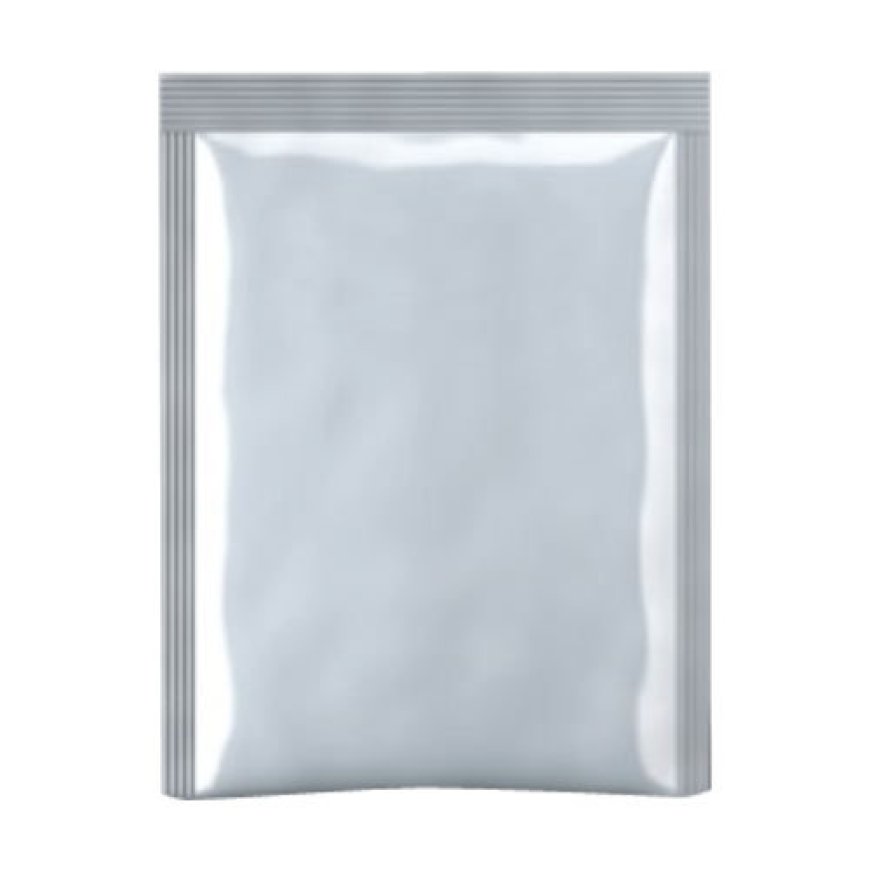
Ever opened a pack of dry fruit, a single-use shampoo, or one of those small instant coffee sachets? Then you’ve definitely come across Three Side Seal Pouches even if you didn’t know that’s what they’re called.
These little pouches may look simple, but they’re seriously smart. They’re compact, neat, and keep stuff fresh without taking up much space. That’s why they’re used pretty much everywhere food, beauty, pharma, and even hardware.
But what really makes these pouches work is the material they’re made from. Yep it’s not just a plastic bag. Different layers, films, and materials are carefully chosen to make sure your product stays fresh, safe, and easy to handle.
Let’s break it all down in plain English.
1. Polyethylene (PE): Your Everyday Sealing Hero
Think of PE (Polyethylene) as the part of the pouch that keeps everything inside nice and sealed.
Once the pouch is heat-sealed, PE forms a tight lock that stops air, moisture, and even bacteria from sneaking in.
Why people use it:
- Seals really well
- Blocks out moisture and chemicals
- Affordable
- Totally food-safe
You’ll find it in:
Chips, frozen veggies, protein powders the everyday stuff.
LDPE is softer and more bendy, while HDPE is stronger and stiffer. Which one gets used depends on what’s going in the pouch.
2. Polyester (PET): Looks Good, Works Hard
This is usually the shiny outer layer you see on the shelf. PET (Polyester) is super strong and holds up well during shipping and handling. Bonus? It prints beautifully great for branding.
Why it’s a favorite:
- Glossy and eye-catching
- Blocks oxygen (important for freshness)
- Doesn’t warp or stretch
- Works well on fast machines
You’ll see it on:
Snack packaging, spice packets, face masks, pet treats basically anything that needs to look good and stay fresh.
PET often works with PE PET on the outside for strength and looks, PE on the inside for sealing.
3. Aluminum Foil: The Maximum Protection Layer
If your product needs serious protection from light, oxygen, or moisture, aluminum foil is your best friend. It's often used in medicine or long-shelf-life food.
What makes it special:
- Completely blocks light, air, and water
- Great for extending shelf life
- Helps preserve delicate or sensitive stuff
Found in:
Pharmaceutical pouches, instant coffee, protein mixes, energy supplements.
Aluminum is usually sandwiched between plastic layers it’s strong, but on its own, it can be a bit fragile.
4. Nylon (PA): Tough Stuff
Nylon (PA) is what you use when the product is heavy, sharp, or going through vacuum-sealing. It’s strong, flexible, and hard to tear.
What it’s good at:
- Very hard to puncture
- Stands up to rough handling
- Transparent (you can show off the product inside)
- Good at blocking oxygen
You’ll spot it in:
Vacuum-packed meat, frozen fish, or even industrial products like nails or screws.
Like the others, nylon is usually paired with other layers like PE to give it sealing power.
5. Paper Laminates: For the Eco-Minded Brands
If your brand is going green, paper laminates are a popular choice. They give the pouch a natural, earthy look and reduce plastic content (though they still have a thin plastic layer inside).
Why brands love it:
- Eco appeal looks natural
- Can be recyclable (depending on structure)
- Feels great in hand
- Easy to print on
Ideal for:
Tea, sugar, spices, or any “natural” product where the packaging needs to match the message.
Just know: it’s not the best for stuff that needs long shelf life or moisture resistance.
So, What Material Should You Go With?
Here’s the deal there’s no one perfect material. It depends on a few key things:
- What are you packing? Is it dry, oily, sharp, sensitive?
- How long does it need to stay fresh?
- Do you care about recyclability or going plastic-free?
- What’s your budget? And can your equipment handle certain materials?
Most Three Side Seal Pouches are made from a combo of two or three layers like PET on the outside (for strength), aluminum in the middle (for barrier), and PE inside (for sealing). This mix gives you the best of everything.
Wrapping It Up
Packaging isn’t just a wrapper it’s part of the product experience. If it breaks, leaks, or doesn’t protect what’s inside, it can damage your brand (and customer trust).
Whether you're packaging snacks, supplements, skincare, or coffee, choosing the right materials can make your product safer, fresher, and more appealing.
And now, with so much talk around sustainability, brands are starting to explore newer options like Flexible Packaging Pouches made from recyclable or single-material films.
Bottom line? The right pouch material doesn’t just hold your product it protects your reputation too.