Are Bubble Tea and Boba the Same Thing? A Clear Guide for Beginners
Confused about bubble tea vs boba? Learn the difference between the two terms, their origins, and why they’re often used interchangeably worldwide.
Introduction: Clearing the Confusion
If you’ve ever walked into a café or scrolled through a menu and seen bubble tea on one line and boba on another, you might have wondered: Are they really the same thing? The short answer is yes—both terms usually describe the same drink. But depending on where you are in the world, the names may carry slightly different cultural and regional meanings.
In this article, we’ll break down the history, the language differences, and why these two names coexist in the global beverage market.
What Exactly Is Bubble Tea?
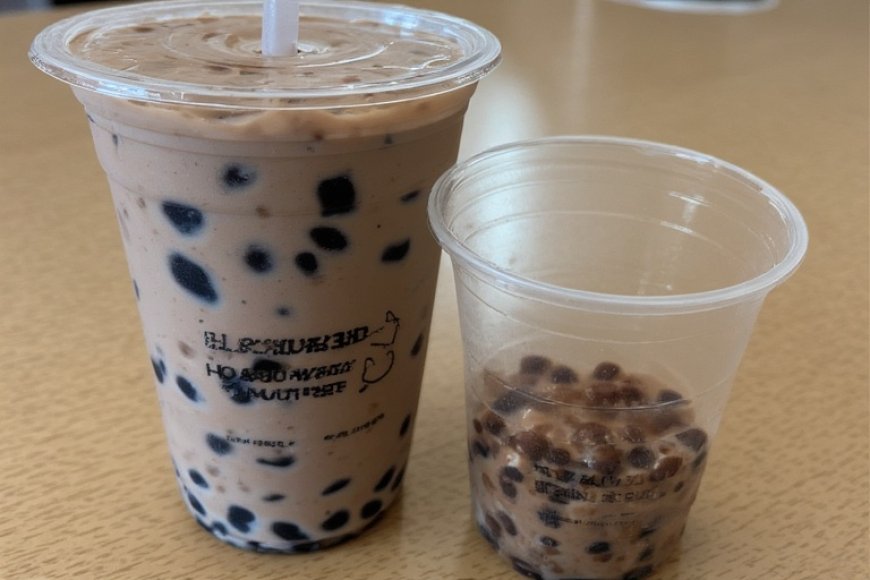
Bubble tea, originally from Taiwan in the 1980s, is a tea-based drink that typically includes:
-
Brewed black, green, or oolong tea
-
Milk or non-dairy creamer
-
Flavor syrups or powders
-
Tapioca pearls or alternative toppings (jellies, popping boba, etc.)
The term “bubble” doesn’t refer to the pearls themselves but to the frothy bubbles formed when the tea is shaken with milk and ice.
What Does “Boba” Mean?
The word “boba” comes from Taiwan as well, but it originally referred to the tapioca pearls inside the drink rather than the drink itself. Over time, especially in the United States and other Western countries, boba became shorthand for the entire beverage.
-
In Taiwan and parts of Asia, people still say “bubble tea” (zhenzhu naicha).
-
In the U.S. and Canada, the drink is more often called “boba” or “boba tea.”
-
Both names point to the same category of drink but emphasize different aspects—one highlights the frothy texture, the other the chewy pearls.
Why Are the Terms Used Interchangeably?
The overlap between “bubble tea” and “boba” comes down to globalization and cultural adoption. As the drink spread from Taiwan to Hong Kong, Japan, the U.S., and eventually Europe, different communities adopted the term that resonated most.
-
“Bubble tea” gained traction in English-speaking Asia and Europe.
-
“Boba” became a trendier, shorter name in North America.
-
Social media amplified both, and now they’re used interchangeably worldwide.
Types of Bubble Tea (or Boba) You’ll Find
Regardless of what you call it, the drink comes in many variations:
1. Classic Milk Tea
Black tea, milk, and tapioca pearls—a timeless favorite.
2. Fruit Tea
Infused with flavors like mango, lychee, or passion fruit, often paired with jellies instead of pearls.
3. Flavored Milk Tea
Powder or syrup-based flavors like taro, matcha, or chocolate.
4. Iced Blends and Smoothies
Creamier, dessert-like options that appeal to younger audiences.
The Business Angle: Why Names Matter
For café owners and entrepreneurs, understanding the terminology is more than just semantics. Using the right term in your menu or marketing can:
-
Attract your target audience (younger crowds often search for “boba,” while older demographics recognize “bubble tea”).
-
Improve your SEO rankings by including both variations on your website.
-
Connect with customers across different cultural backgrounds.
This is why many global shops use both terms side by side to avoid missing potential customers.
Conclusion: Bubble Tea or Boba—It’s All the Same Sip
So, are bubble tea and boba the same thing? Yes—they’re simply two names for one drink that has taken the world by storm. Whether you call it bubble tea because of its foamy top or boba because of its chewy pearls, the essence remains the same: a customizable, fun, and delicious beverage enjoyed worldwide.
And if you’re looking to source authentic ingredients or expand your café offerings, the right bubble tea supplier can help ensure consistency, flavor variety, and customer satisfaction.
FAQs
Q1: Is boba always made with tapioca pearls?
Not always. While traditional boba uses tapioca pearls, many modern variations include popping boba, jellies, or even chia seeds.
Q2: Which term should I use on my café menu—bubble tea or boba?
It depends on your audience. In Asia and Europe, “bubble tea” is more common, while in North America, “boba” resonates better.
Q3: Do bubble tea and boba taste different?
No. Both refer to the same drink; the difference lies only in naming, not in flavor.