AI Photography Software and Virtual Try-On: Redefining Online Shopping Experiences

In the world of e-commerce, the ability to captivate customers with visuals has become just as important as the products themselves. When people shop online, they cannot touch, feel, or try the product before buying. Instead, they rely almost entirely on visuals and interactivity. This is why technologies like AI photography software and virtual try on clothes solutions are not only revolutionizing how brands present themselves but also transforming customer expectations.
The Importance of Visuals in Digital Commerce
Images influence consumer confidence more than any other factor. A high-resolution image communicates quality, while poorly edited or inconsistent photos reduce trust.
Studies show that:
-
Over 75% of shoppers say product photography directly influences their purchase decisions.
-
Listings with multiple high-quality images convert nearly twice as well as those with only one.
-
Interactive experiences like virtual try-ons reduce return rates significantly.
For e-commerce businesses, this proves that investing in photography and interactive tools isn’t optional — it’s essential.
The Rise of AI in Product Photography
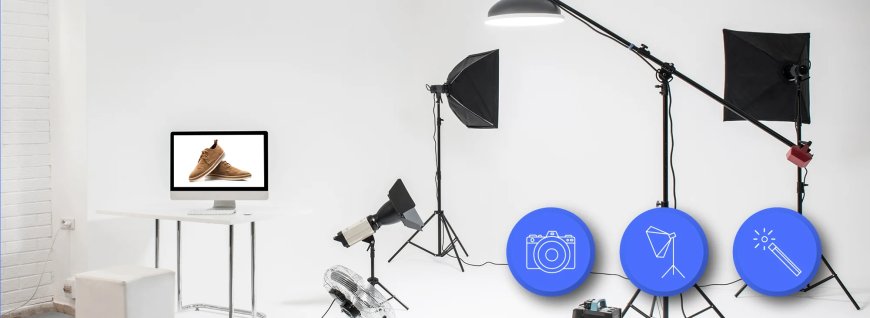
Traditional product photography requires photographers, studios, props, lighting setups, and hours of editing. While these processes deliver beautiful images, they’re expensive and time-consuming.
That’s where platforms like ai photography software come in. These solutions allow businesses to create professional-grade visuals using artificial intelligence, eliminating much of the manual work.
Advantages of AI Product Photography
-
Automation at Scale
From background removal to lighting correction, AI handles repetitive tasks quickly. -
Cost-Effective
Small businesses can achieve studio-quality results without hiring full photography teams. -
Creative Freedom
AI tools can generate new backgrounds, add props, and even create stylistic variations of the same product. -
Consistency
Every image maintains the same professional look, building brand identity across websites, ads, and social media.
This combination of cost savings and creative possibilities makes AI indispensable for modern online sellers.
Industry-Specific Uses
Apparel & Fashion
Fashion retailers use flat lay apparel photography for catalog shots. With AI, they can style clothing, remove wrinkles, and edit images in bulk without manual touch-ups.
Jewelry Photography
AI jewelry photography helps highlight details such as cuts, shine, and intricate craftsmanship that often go unnoticed with standard photography.
Food Businesses
With AI food photography, restaurants and delivery platforms can make their menus more appealing, ensuring customers order more frequently.
The Emergence of Virtual Try-On
While professional images sell a product’s appeal, many shoppers still wonder: How will it look on me? That’s where virtual try on clothes technology steps in.
This innovative solution allows customers to upload their photos and visualize outfits digitally. Some even go further, offering live AR previews directly through a phone camera.
Benefits of Virtual Try-On
-
Confidence in Fit & Style: Buyers can see how clothes drape on their body type.
-
Reduced Returns: When expectations match reality, customers are less likely to send items back.
-
Experimentation: Shoppers can test out bold colors, patterns, or accessories they might not normally choose.
-
Increased Engagement: Interactive experiences encourage longer browsing times, leading to higher conversions.
Tools like virtual try on clothes give brands a competitive edge by blending entertainment with functionality.
How AI Photography and Virtual Try-On Work Together
When combined, these technologies create a seamless journey for shoppers:
-
Product Photography ensures that every item looks sharp, professional, and enticing.
-
Virtual Try-On personalizes the experience, allowing customers to connect with the product.
-
Together, they reduce uncertainty — leading to fewer abandoned carts and stronger brand loyalty.
For example, a fashion brand might use AI-generated flat lay shots for website listings, while offering a try-on feature in their mobile app to encourage instant decision-making.
Business Impact
Higher Conversions
Professional, AI-enhanced images grab attention, while try-on features encourage customers to finalize purchases.
Lower Costs
Brands no longer need to constantly rent studios or hire large photography teams.
Reduced Returns
Interactive previews ensure shoppers make informed decisions.
Scalability
A catalog with thousands of products can be managed with AI — something nearly impossible with traditional photography.
Future Outlook
The future of e-commerce will see even more integration between AI-powered photography and immersive shopping experiences. Predictions include:
-
3D Product Models – Interactive objects customers can rotate.
-
AI Stylists – Tools recommending entire outfits based on personal taste.
-
Mixed Reality Shopping – Combining AR and VR to make e-commerce nearly indistinguishable from in-store experiences.
-
Smarter Editing Tools – Software that adapts styles automatically based on current fashion trends.
The boundary between photography, interactivity, and personalization will continue to blur.
Why Businesses Should Act Now
Consumers are already becoming accustomed to these advanced shopping tools. Larger retailers are implementing them rapidly, and smaller brands that delay risk falling behind.
Early adoption of AI software photography and virtual try-on provides immediate competitive advantages:
-
Stronger branding.
-
Better customer engagement.
-
Higher ROI from marketing campaigns.
Conclusion
E-commerce success today depends on more than just offering great products — it’s about how those products are presented and how customers experience them before purchase.
By leveraging ai photography software for professional visuals and virtual try on clothes for immersive interactivity, brands can transform their customer journeys. Together, these tools build trust, reduce returns, and keep shoppers coming back for more.
The brands that embrace these innovations today will define the shopping experiences of tomorrow.