Should Businesses Invest in Luxury Client Appreciation Gifts for Key Clients?

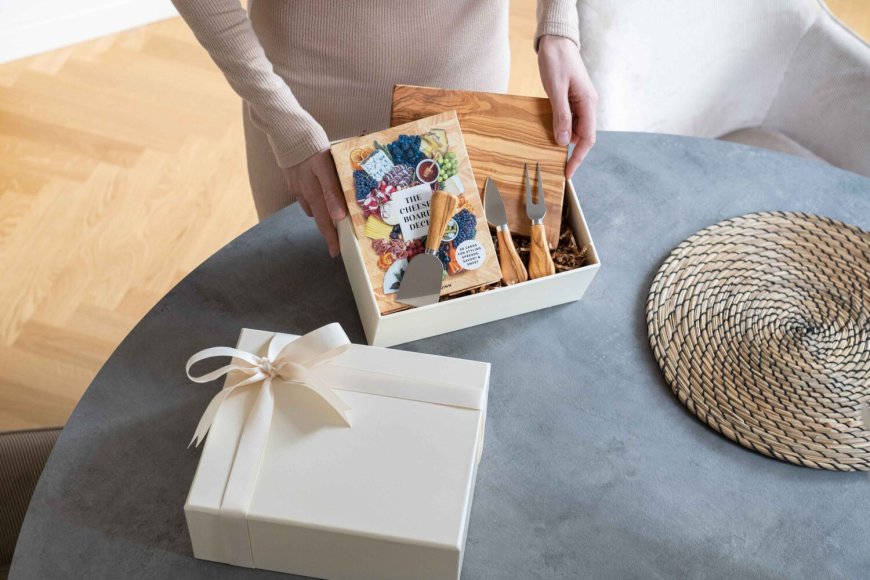
In today’s hyper-competitive business world, relationships are just as important as products and services. Companies that thrive long-term understand that loyal clients are their strongest asset. One proven way to nurture these valuable relationships is through client appreciation gifts.
But here comes the big question: Should businesses go the extra mile and invest in luxury gifts for their key clients, or is a thoughtful but modest token enough?
This article explores the psychology behind gift-giving, the ROI of luxury client gifts, potential pitfalls, and practical strategies for businesses.
The Power of Client Appreciation
Why Client Relationships Matter
Business growth depends heavily on strong relationships. A client who feels valued is:
-
More likely to stay loyal.
-
More inclined to refer new customers.
-
More forgiving during mistakes or setbacks.
Building this trust doesn’t happen overnight. It takes consistent communication, quality service, and recognition of their importance. That’s where client appreciation gifts enter the picture.
Gifts as a Business Tool
Gift-giving is not just a personal tradition—it’s a strategic business tool. Psychologists call it the “reciprocity principle”: when someone receives something of value, they naturally feel compelled to give back. In business, this often means:
-
Repeat purchases.
-
More openness to upsells.
-
Long-term loyalty.
Understanding Client Appreciation Gifts
What Are Client Appreciation Gifts?
Simply put, client appreciation gifts are tokens businesses give to show gratitude. They can range from personalized thank-you cards and branded merchandise to high-end luxury items like watches, leather goods, or exclusive experiences.
Types of Client Gifts
-
Standard Gifts – Affordable, widely available items like mugs, calendars, or chocolates.
-
Personalized Gifts – Custom items tailored to the client’s name, industry, or interest.
-
Luxury Gifts – Premium, high-value items such as designer pens, tech gadgets, or exclusive event tickets.
Each category has its place, but luxury gifts carry a unique weight when it comes to high-value clients.
Why Luxury Client Appreciation Gifts Stand Out
Creating Lasting Impressions
Luxury gifts send a message: “We see you as more than a transaction. You are a valued partner.” This sets the tone for long-term collaboration.
Differentiation from Competitors
Many businesses send standard gifts during holidays. A luxury client appreciation gift distinguishes your brand from the competition, making you memorable.
Signaling Respect and Status
High-end clients often operate in circles where exclusivity and status matter. Luxury gifts align with their expectations and signal that you value them on the same level.
The ROI of Luxury Client Gifts
Some businesses hesitate at the thought of spending hundreds—or even thousands—on a single client gift. But consider the potential returns:
Increased Client Retention
Acquiring a new client costs 5–7 times more than retaining an existing one. A well-chosen luxury gift can strengthen loyalty and secure long-term contracts.
Referrals and Word-of-Mouth
Clients who feel valued often become brand advocates. They share their positive experiences with peers, bringing in high-quality referrals.
Upselling Opportunities
A client who feels appreciated is more likely to explore additional services or upgrade existing contracts.
Real Example
A marketing agency invested in luxury wine gift sets for their top 20 clients. The result? A 35% increase in contract renewals and a noticeable uptick in client referrals the following quarter.
When Should Businesses Consider Luxury Gifts?
Not every client requires a luxury token of appreciation. Businesses should reserve high-end gifts for:
-
Key Clients – Those contributing significantly to revenue.
-
Long-Term Clients – Loyal partners who have supported your business for years.
-
Milestone Events – Anniversaries, deal closures, or special occasions.
-
High-Potential Prospects – When a luxury gift could tip the scales toward a long-term contract.
Potential Risks of Luxury Client Gifts
Before rushing to order designer watches or expensive gift baskets, businesses must be cautious.
Perceived Bribery
In certain industries, overly expensive gifts may be viewed as bribery or create ethical concerns. Always check industry regulations.
Mismatched Preferences
A luxury gift that doesn’t match the client’s taste can backfire. For instance, gifting wine to a client who doesn’t drink may appear careless.
Budget Concerns
Not every company can afford luxury gifts. Overspending on one client while neglecting others can create imbalance.
How to Choose the Right Client Appreciation Gift
When investing in luxury gifts, personalization is key. Here’s a framework to guide you:
Step 1: Know Your Client
Research their interests. Do they enjoy fine dining, technology, or travel? The more aligned the gift, the more meaningful it becomes.
Step 2: Reflect Your Brand
The gift should represent your company’s values. For example, a tech company might gift premium wireless earbuds, while an eco-friendly brand could choose luxury sustainable products.
Step 3: Focus on Quality, Not Just Price
Luxury doesn’t always mean the most expensive option. It’s about exclusivity, craftsmanship, and thoughtfulness.
Step 4: Timing Matters
Holiday gifts are common, but surprise gifts “just because” can leave a stronger impression.
Examples of Effective Luxury Client Appreciation Gifts
Here are some high-impact gift ideas businesses have used successfully:
-
Personalized Luxury Leather Goods – Briefcases, journals, or wallets engraved with initials.
-
Exclusive Experiences – VIP concert tickets, private wine tastings, or resort stays.
-
Premium Tech Gadgets – Tablets, noise-canceling headphones, or smartwatches.
-
High-End Food & Beverage Hampers – Gourmet baskets curated with fine wine, artisan cheeses, and chocolates.
-
Art or Collectibles – Limited edition artwork, sculptures, or memorabilia.
Balancing Luxury with Authenticity
The most successful client gifts combine luxury with sincerity. A premium item without genuine appreciation feels hollow. Pair every gift with a handwritten note or personal message. That small touch can transform a transaction into a heartfelt gesture.
Alternatives to Physical Luxury Gifts
Sometimes, non-material gifts can have just as much impact. Examples include:
-
Exclusive Access – Invite key clients to networking events or industry summits.
-
Customized Services – Offering premium consulting sessions free of charge.
-
Charitable Donations – Donating to a cause in the client’s name shows social responsibility.
Practical Tips for Businesses
-
Segment Clients – Not every client should receive a luxury gift. Create tiers.
-
Budget Wisely – Allocate funds strategically across your client base.
-
Stay Professional – Avoid overly personal or extravagant gifts that may cross boundaries.
-
Track Results – Measure client retention, referrals, and engagement post-gifting.
Should Businesses Invest in Luxury Client Appreciation Gifts?
The answer is: Yes, but strategically.
Luxury gifts can be powerful tools to strengthen business relationships, but they must be:
-
Personalized
-
Ethically appropriate
-
Aligned with client values
-
Balanced with budget considerations
When done correctly, luxury client appreciation gifts offer a remarkable return on investment—not just in revenue, but in trust, loyalty, and long-term success.
Final Thoughts
In the age of automation and digital communication, genuine human connection is more valuable than ever. Businesses that invest thoughtfully in client appreciation gifts—whether luxury or modest—stand out from competitors and cultivate meaningful partnerships.
For key clients, luxury gifts aren’t just about extravagance. They’re about respect, recognition, and relationship-building. Done with care, they can transform ordinary business interactions into extraordinary, lasting connections.