


























Why Paper Bubble Wrap is Revolutionizing the Packaging Sector

When did you last open a package and feel guilty for disposing of all that plastic bubble wrap in the bin? Perhaps you paused, questioning if it can be recycled. More often than not, it can't. That fleeting moment of hesitation is why the world of packaging is being forced to reimagine itself—and why paper bubble wrap is stealing the show quietly.
For years, eco-friendly paper bubble wrap was the standard guardian of sensitive products. It's a household name, a joy to pop, and trustworthy. But there is a great price to pay: clogged landfills, microplastics invading our oceans, and fossil-fuel dependency in its manufacturing. The migration toward paper-based options isn't merely a trend—it's a revolution in how companies approach packaging, sustainability, and customer confidence.
The Problem with Plastic Cushioning
Plastic bubble wrap was genius when it turned up in the 1960s. It offered cheap, lightweight protection. But years on, the same qualities that once made it so well-liked—its strength and refusal to break down—are now its bane. Old-fashioned bubble wrap takes hundreds of years to biodegrade. Add millions of packages delivered daily, and the enormity of the issue becomes apparent.
Consumers know this, too. They're not just buying a product anymore but buying into a brand's values. When they tear open a box and find layers of single-use plastic, it sends a message: "We're behind the times." That's not the message any modern brand wants to deliver.
Enter Paper Bubble Wrap
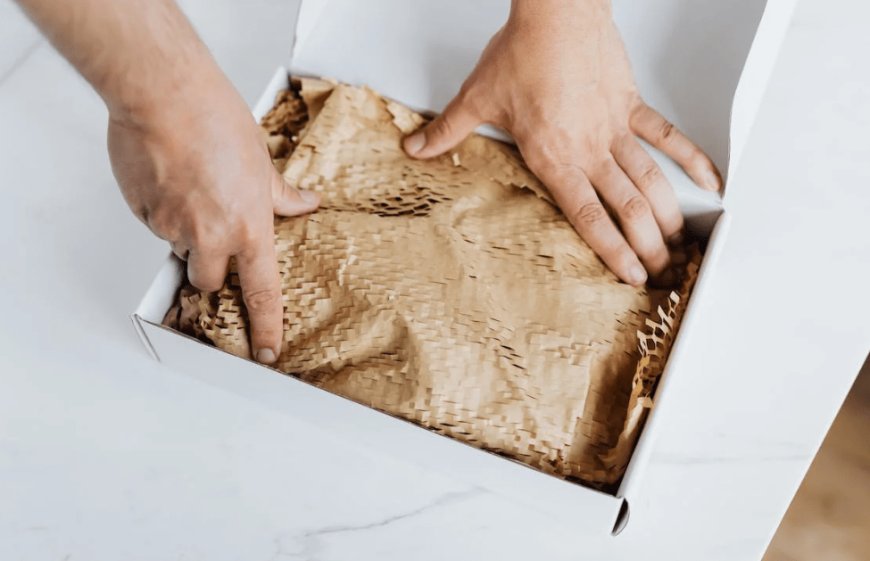
So what makes bubble wrap made of paper so unique? Picture the same cushioning protection, but constructed from biodegradable, recyclable paper that folds into honeycomb patterns. It is lightweight yet durable. Rather than plastic air spaces, it uses geometry—honeycomb patterns' inherent strength—to cushion and protect products.
There's a certain beauty to it. You stretch a roll of this paper, and voilà, it's suddenly a three-dimensional mesh that wraps around your goods with security. No squeaky plastic. No bad conscience. Just a smarter, cleaner way of packaging.
A Win for Businesses and the Planet
This is where it gets really interesting. Converting to paper bubble wrap isn't just a matter of going green. It's also about being more operationally efficient.
- Space-conserving: Paper bubble wrap occupies considerably less storage space than plastic rolls. In warehouses where square footage matters, that's a difference-maker.
- Packing speed: The honeycomb structure allows for easier, quicker wrapping around fragile items. No more messing with tape or ungainly layers.
- Consumer perception: Shoppers tend to see the eco-friendly paper bubble wrap details. That "unboxing moment" becomes a brand narrative, one that's shared on social media and recalled long after the product is being used.
And then there's the bottom line. Companies scaling back on plastic can save money on waste-disposal fees and even sometimes earn green certifications. Sustainability, in this case, pays for itself.
Why the Shift Feels Inevitable
Let's take a moment and consider how packaging is a mirror of culture. Not so long ago, nobody cared if their package had mounds of plastic. Today, consumers assume sustainability as standard. They're even okay with paying a bit more for it.
Can you envision the future packaging still ruled by petroleum-based plastics? It's difficult to envision. With regulations becoming stricter and brands racing to seem more sustainable, the stakes are higher. Paper bubble wrap isn't a specialty item anymore.
The Emotional Connection
There is also something pleasantly satisfying about paper. The gentle crinkle, organic appearance, and the ability to just throw it in the recycling bin and forget about it provide relief. That is more important than we realize. The package is the first physical interaction a customer has with a brand. If that initial interaction is perceived as wasteful, it causes friction. If it is perceived as considerate, it instills trust.
Imagine this: you purchase a dainty, handmade mug on the web. Upon delivery, it's wrapped in natural, honeycomb paper packaging. No shame, no mess, just environmentally friendly shipping in sustainable packaging. That experience tells you more about the brand's values than any slogan or Instagram update.
The Ripple Effect Across Industries
E-commerce heavyweights, boutique shops, and even industrial distributors are starting to transition. For small firms, paper bubble wrap is an opportunity to differentiate. It's a route for big corporations to scale sustainability across thousands of packages.
Consider food delivery companies, electronics packing, or even designer brands. All these sectors require protective packaging, and all consumers are concerned about their ecological impact. With wider adoption, providers will keep developing and strengthening paper packaging, making it lighter and more efficient.
A Call to Action to Businesses
If you're a business leader or decision-maker, the question is not whether paper bubble wrap is feasible. It's whether not using it will break your bank. Because every time someone opens a box full of single-use plastic, you stand to lose more than a repeat order—you stand to lose relevance.
Switching doesn't have to be difficult. Most manufacturers produce rolls and dispensers that fit easily into existing packaging lines. It's a simple adjustment with a giant return: less waste, enhanced brand reputation, and more satisfied customers.
Looking Ahead
The packaging world stands at a juncture. One path is down the old way of plastic convenience—affordable, convenient, but not sustainable. The other is towards innovation, accountability, and what consumers really want. Paper bubble wrap is taking us down that second path.
And perhaps the best part is that. For once, the green option isn't the more difficult one. It's efficient, cost-effective, and better for businesses and the planet. That's why Packmile's paper bubble wrap is not only revolutionizing the packaging business—it's revolutionizing expectations.


