Unleashing Creative Potential: How Agencies Harness Public Contests for Branding and Packaging Design
Discover how agencies use public contests to drive innovation and unlock creative solutions for branding and packaging design.

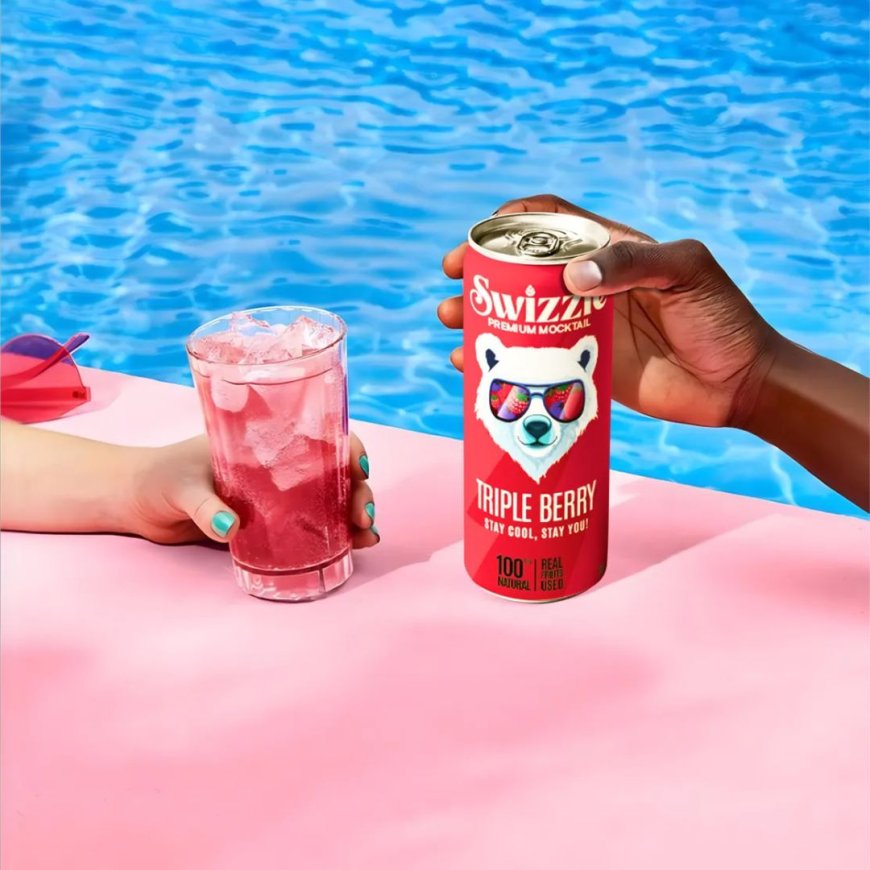
In the competitive world of branding and packaging design, agencies constantly seek fresh ideas that will set their clients apart in a crowded marketplace. While traditional design methods remain essential, public contests have emerged as a powerful tool for unlocking a wealth of creativity. By inviting individuals from all over the world to participate, agencies can access a diverse pool of ideas and find innovative solutions that would have been hard to achieve through conventional methods.
We’ll explore the growing trend of public contests in branding and packaging design, examining their benefits and offering a step-by-step guide on how agencies can run successful contests to drive creativity and enhance brand engagement.
What Are Public Contests in Branding and Packaging Design?
Public contests are competitions where designers from all around the world submit their creative concepts in response to a design challenge. In the context of branding and packaging design, these contests can focus on anything from logo design and rebranding strategies to packaging solutions that capture the essence of a product.
Agencies leverage these contests to:
-
Tap into a wide range of creative talent: By crowdsourcing ideas, agencies gain access to a vast array of unique perspectives.
-
Push the limits of traditional design: Public contests encourage outside-the-box thinking and innovation.
-
Foster deeper customer connection: Involving the public in the creative process can build a stronger emotional connection between the brand and its audience.
These contests are an excellent way for agencies to generate a high volume of designs quickly while remaining cost-effective and flexible.
The Benefits of Using Public Contests for Branding and Packaging Design
Agencies that adopt public contests for their design projects can benefit from several advantages over traditional design methods. Let’s explore the key benefits:
-
Diverse and Innovative Perspectives
A public contest opens the door to creative professionals from around the globe, resulting in ideas that are fresh and often unique. Agencies can tap into diverse cultural influences and diverse design philosophies, leading to more inventive solutions. -
Cost-Effective Solution for Idea Generation
By using a public contest platform, agencies can access a large pool of designers without committing to a full-time in-house design team. Many contests offer competitive prizes, making it an affordable way to gather a wealth of creative concepts. -
Faster Results and Turnaround Times
Running a contest means that the agency will receive a wide range of designs in a relatively short amount of time. The competition format encourages quick, efficient submissions, allowing agencies to meet tight deadlines. -
Increased Brand Engagement
Public contests offer brands the chance to directly engage with their audience. As customers become involved in the design process, they feel a stronger connection to the brand and are more likely to become loyal customers. -
Inspiration for Future Campaigns
Even if a design doesn’t end up being the winning entry, many agencies find inspiration in the submissions they receive. These contests often spark new ideas and concepts that can influence future branding and marketing campaigns.
How Agencies Leverage Public Contests to Drive Innovation
Here’s how agencies can effectively run public contests for branding and packaging design:
Step 1: Define the Project and Set Clear Objectives
Before launching a contest, it’s essential to work with the client to define the project and determine the design objectives. Whether the goal is to create a new logo, design a packaging concept, or rebrand a product line, having a clear direction ensures that submissions align with the brand’s goals.
Step 2: Choose the Right Platform
Selecting the appropriate platform for the contest is key. Well-known platforms such as 99designs, DesignCrowd, and Crowdspring are designed to help agencies run contests and manage submissions. These platforms also feature an extensive network of designers, making it easy to find the right talent.
Step 3: Promote the Contest to Attract Top Talent
To ensure a broad and diverse range of submissions, agencies should promote the contest widely. This can include social media marketing, influencer collaborations, email newsletters, and partnerships with design communities. The more exposure the contest gets, the higher the chances of receiving creative and innovative submissions.
Step 4: Engage and Provide Feedback
Once submissions start rolling in, it’s important for agencies to provide feedback to designers. This two-way communication ensures that designers are on the right track and can refine their work. Agencies should actively engage with the contest participants to guide the design process and encourage further creativity.
Step 5: Select the Best Design and Implement
After reviewing the submissions, the agency will select the winning design. The final design is then handed over to the client for approval and implementation across branding and marketing materials. Agencies may also make minor revisions to the winning design to better align it with the client’s vision.
Best Practices for Running Successful Public Contests
Agencies should follow these best practices to maximize the success of public contests:
-
Craft a Clear and Concise Design Brief
A well-crafted design brief is essential for the success of the contest. The brief should outline the design objectives, brand values, target audience, and any specific requirements. Clear expectations will ensure that participants submit designs that meet the client’s needs. -
Offer an Appealing Prize
To encourage top-tier talent to participate, agencies should offer an attractive prize. A substantial reward, such as a cash prize or recognition, can incentivize designers to submit their best work. -
Maintain Communication and Provide Constructive Feedback
Effective communication throughout the contest is crucial. Agencies should provide constructive feedback to help designers improve their work and ensure that the designs align with the project’s objectives. -
Streamline the Selection Process
Agencies should set clear criteria for selecting the winning design. Using contest management tools and platforms can help streamline the process and make the selection more transparent. -
Engage Designers for Future Projects
Agencies can build long-term relationships with successful contest participants. By offering future opportunities to the winning designers, agencies can create a pool of reliable talent for future branding and design projects.
Conclusion
Public contests have proven to be a valuable tool for agencies looking to foster creativity, engage with their audience, and drive innovative branding and packaging design solutions. By opening the design process to a global pool of creative talent, agencies can tap into a wide range of perspectives and generate fresh ideas that may not emerge from traditional methods. When executed correctly, public contests can help agencies achieve remarkable results while reducing costs and increasing brand engagement.
FAQs
-
What are the benefits of using public contests in branding design?
Public contests provide diverse perspectives, faster turnaround times, cost-effective solutions, and increased brand engagement, making them an excellent choice for creative branding and packaging projects. -
How can I run a successful branding design contest?
To run a successful contest, define the challenge clearly, choose the right platform, promote the contest to attract talent, engage with participants, and select the best design that aligns with the client’s vision. -
What platforms are best for running branding design contests?
Popular platforms for running branding design contests include 99designs, DesignCrowd, and Crowdspring, which provide access to a large network of designers and tools to manage submissions. -
How do public contests enhance brand engagement?
Public contests involve the audience in the design process, creating a sense of ownership and emotional connection with the brand. This leads to stronger customer loyalty and greater advocacy for the brand. -
What should be included in a design brief for a public contest?
A design brief should outline the project’s objectives, target audience, brand values, and any specific requirements. The clearer the brief, the more likely it is that the submissions will meet the client’s expectations.