Tips to Choose the Right Contact Resistance Meter for Your Needs
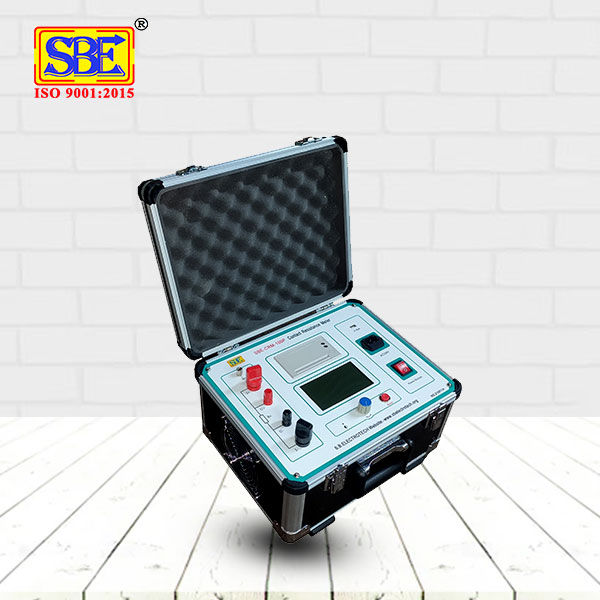
The electronic devices are complicated and they need constant maintenance or else they will break down or lose it’s efficiency. However, if there is a tester to track the performance and early signs of contact degradation, it will ensure the durability of the machine and lead to effective performance. The contact resistance meter is used to measure the resistance of electrical connections. Some of the problems, like the high resistance joints and overheating risk joints, among others, can be detected well in advance. However, if you want the electronics to function well, then you should choose the right contact resistance meter. In this post, we will list the tips that will help you land the best testing equipment.
Understanding the Contact Resistance Meter
Before diving into the details of what factors to keep in mind while choosing the contact resistance meter, let us understand what exactly it is. This machine is used to measure the low resistance of the machine. Now, you may think, Why does it matter? Even a tiny bit of rise in the resistance can lead to problems like excessive heating, lower efficiency, failure in the connection, and shortage of lifespan.
So, when you are going to hop into the market to get a contact resistance meter, here are some of the things that you should keep in mind.
-
Choose the Right Test Current:
The test current is one of the most important features when selecting a contact resistance meter. The kind of current you use will also impact the accuracy of the operations. The smaller contacts can be tested with a 10A (ampere) to 20A (ampere) test current. On the other hand, the larger connections, like bushbars or circuit breakers, may need high voltage or current ranging from 100A to 200A. The higher test current will offer a more precise picture of the internal condition of the electronics. The small voltage of current is suitable for smaller electronics.
-
Measurement Range & Accuracy:
Each of the contact resistance meters has a specific range of accuracy and measurement range. The measurement range tells you both the lowest and the highest resistance that the device can measure. For the high-grade industrial equipment, 0.1 µΩ to 20 mΩ is suitable. Higher accuracy means more reliable data. So select the resistance meter which has an accuracy of ±0.5% accuracy for even better. Apart from that, also go for the highest resolution, which will help you identify even the minor changes in resistance. It is a helpful and reliable tool in long-term monitoring of electronics.
-
Four-Wire Measurement Method:
When measuring the resistance of the electronics, the resistance of the test leads can also impact the accuracy of the readings. This is why the four-wire method, also known as the Kelvin method, is recommended. In this method, the two wires can test the current, and the two separate wires measure the pressure drop. It reduces the chances of lead resistance, which ensures more precise reading. You can understand how accurate this method is, that even professionals use this to ensure that electronics are working just fine.
-
Portable:
When you are choosing the contact resistance meter, you can also consider the fact that whether you will be using the machine indoors or outdoors. If you want the contact resistance meter to test the equipment in substations or factories, it is portable and rugged. Here are some of the features that you should look for:
-
A rugged body
-
Ergonomic design
-
Easy to handle
-
Battery for remote testing
-
LCD for display for clear visibility of readings
-
Features & Accessories:
It is essential to look for the features as well as the accessories of the contact resistance meter carefully to make the testing easier and more efficient.
-
Evaluate Safety, Maintenance, and Calibration:
Safety should never be overlooked when working with electrical equipment. Ensure the contact resistance meter complies with international safety standards. It should also have built-in protection against overloads or accidental short circuits. Some models come with automatic current cut-off features for extra safety.
Maintenance is another important aspect. Like all precision instruments, contact resistance meters need regular calibration to ensure accurate readings. Check how easily the device can be calibrated and whether the manufacturer provides service support or certification.
A robust after-sales service network is a significant advantage — it ensures your meter remains reliable for years.
-
Match the Meter to Your Budget and Long-Term Needs
Finally, consider your budget and future needs.
Contact resistance meters vary in price depending on their features, accuracy, and current capacity. While it might be tempting to buy the most advanced model, that’s not always necessary.
Here’s how to decide:
-
If you only need to test small connectors occasionally, a basic model with 10 A current may be enough.
-
If you work in a power plant, railway, or heavy industry where you test large switchgear or busbars, invest in a high-current, industrial-grade meter.
Also consider the total cost of ownership — this includes calibration, batteries, replacement leads, and software updates. Sometimes, a slightly higher upfront cost can save money in the long run by offering better durability and accuracy.
Bonus Tip: Always Compare Before You Buy
Before finalizing your purchase, compare at least three different models from reputable manufacturers. Look at their technical specifications, reviews, and after-sales service quality.
If possible, request a demo from the supplier. This gives you a hands-on feel of the meter’s performance and helps you assess if it’s easy to operate.
Remember — the right contact resistance meter fits your specific testing needs, not just the most powerful one on the market.
In Conclusion….
The contact resistance meter is an essential tool for maintaining the efficiency and durability of electronics. So, you must always keep one handy when you are dealing with heavy-duty machines. ‘S.B.ELECTROTECH’ provides the best contact resistance meter made with advanced technology and a user-friendly design. It revolutionizes the way professionals access the contact resistance meter and check the electric system. The compact size and the portable nature of the machine make it a versatile tool across a wide range of industries.