Profitable Revenue Models to Scale Your Via Clone Business
Scale your Via clone business in 2025 using multiple revenue models like commissions, subscriptions, surge pricing, and corporate partnerships for maximum profitability.
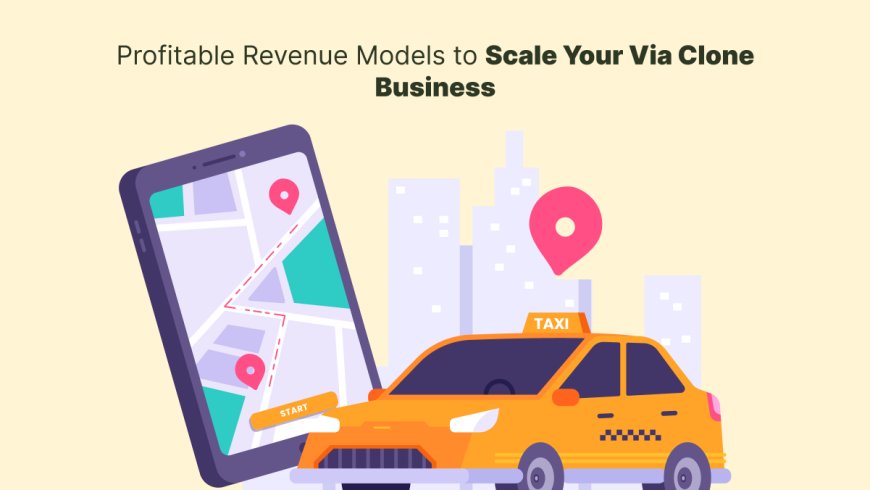
The ride-sharing industry is booming, and entrepreneurs are always looking for ways to launch and scale successful platforms. A Via clone app provides a ready-to-launch solution, replicating the core features of the popular Via ride-sharing platform. However, launching the app is only the first step. To truly scale your business and maximize profitability, you need to implement smart revenue models.
In this article, we will explore various via clone app revenue models, explain how each works, and provide strategies to optimize earnings while maintaining customer satisfaction.
Understanding the Via Clone Business Model
The Via clone business model is built around convenience, efficiency, and scalability. It enables users to book rides instantly, track drivers in real-time, and pay securely through integrated payment gateways. On the other side, drivers benefit from flexible schedules and optimized ride assignments.
Entrepreneurs benefit by earning revenue through multiple streams while offering a reliable, convenient service to urban commuters. The key to scaling this business lies in choosing the right monetization strategies and understanding ride-sharing app revenue models.
Core Revenue Models for a Via Clone App
1. Commission-Based Model
The most common revenue strategy is a commission-based model. Every time a ride is booked, the platform takes a percentage of the fare as commission.
- How it works: When a user books a ride and pays the fare, the app deducts a pre-defined commission before transferring the remaining amount to the driver.
- Benefits: This model is simple to implement, aligns with user and driver incentives, and ensures a steady revenue stream as ride volume increases.
- Optimization tip: Adjust commission percentages based on peak hours, ride type, or location to maximize earnings without affecting driver satisfaction.
2. Surge Pricing Model
Dynamic pricing, or surge pricing, is applied during high-demand periods. This increases fares temporarily to manage demand and supply efficiently.
- How it works: The app algorithm detects high demand areas and adjusts prices accordingly. Drivers are also incentivized to operate in these zones.
- Benefits: Surge pricing boosts revenue during peak hours while ensuring availability for riders.
- Optimization tip: Use AI and predictive analytics to anticipate high-demand periods and optimize surge multipliers without discouraging customers.
3. Subscription Model
A subscription-based model provides users with benefits such as discounted fares, free rides, or priority access in exchange for a recurring fee.
- How it works: Customers pay a monthly or annual subscription to access these perks.
- Benefits: Generates predictable and recurring revenue while improving customer loyalty.
- Optimization tip: Offer tiered subscription plans to cater to different user segments, such as daily commuters versus occasional riders.

4. In-App Advertising
Advertising can be a lucrative revenue stream without charging users directly. Companies pay to display promotions within the app interface.
- How it works: Ads can appear on the user app, during ride waiting times, or in the driver app. Partner brands can run targeted campaigns based on user behavior.
- Benefits: Adds an extra revenue layer while keeping the platform free for users.
- Optimization tip: Use analytics to ensure ads are relevant, non-intrusive, and personalized to improve engagement and conversion.
5. Corporate Partnerships
Enterprises often require reliable ride-sharing solutions for employee travel. Partnering with companies can generate consistent revenue through bulk bookings and corporate contracts.
- How it works: Companies pay a negotiated fee or commission for employees’ rides, often with customized reporting and billing options.
- Benefits: Secures long-term contracts and increases ride volume, creating a stable revenue stream.
- Optimization tip: Offer value-added features such as ride approvals, real-time tracking, and custom invoicing to make the service attractive to corporate clients.
Read More: Kickstart your ride-pooling taxi service in days using a ready-to-go Via Clone App
6. Driver Subscription or Premium Services
Drivers can also be offered premium features for a subscription fee, such as enhanced analytics, priority ride assignments, or higher earning opportunities.
- How it works: Drivers subscribe to access these additional benefits, which improve their efficiency and earnings.
- Benefits: Generates revenue directly from drivers while increasing platform efficiency.
- Optimization tip: Ensure that premium services genuinely add value and improve driver experience to encourage adoption.
7. In-App Services and Partnerships
Expanding beyond rides, your Via clone app can partner with other on-demand services like food delivery, courier services, or micro-mobility options such as scooters and bikes.
- How it works: Partnered services can share revenue from orders booked through your app.
- Benefits: Diversifies revenue sources and enhances user engagement.
- Optimization tip: Cross-promote services within the app and offer bundled deals to maximize adoption.
Combining Multiple Revenue Models
The most profitable strategy is often a combination of models rather than relying on a single source. For example:
- Use commission-based revenue for standard rides.
- Apply surge pricing during peak hours.
- Offer subscription plans for loyal commuters.
- Integrate in-app advertising for additional income.
- Partner with corporations for steady bulk bookings.
This multi-layered approach ensures stable cash flow, scalable operations, and diversified income streams.
Strategies to Maximize Revenue in 2025
Focus on User Retention
Acquiring new users is costly. Encourage repeat usage through loyalty programs, discounts, and referral incentives. Retained users generate consistent revenue over time.
Optimize Driver Network
A well-distributed and active driver base reduces wait times, increases ride completions, and improves customer satisfaction, directly impacting revenue.
Data-Driven Decisions
Leverage analytics to understand peak hours, popular routes, and user preferences. This allows you to optimize pricing, promotions, and driver deployment effectively.
Expand to Multiple Cities
Scaling your Via clone app to new locations increases the user base and ride volume, creating more revenue opportunities.
Marketing and Promotions
Invest in digital marketing, influencer campaigns, and local promotions to attract new users and increase brand awareness.
Integrate Payment Options
Offering multiple payment methods, including wallets, credit cards, and UPI, makes the app more convenient and encourages usage.
Benefits of Using a Via Clone App
- Time and Cost Efficiency: Launch faster without developing an app from scratch.
- Proven Framework: Leverages the success of the original Via business model.
- Customizable Features: Adapt features according to local market needs.
- Scalable Solution: Easily add new cities, vehicle types, or services.
- Multiple Revenue Streams: Supports diverse monetization strategies like commissions, subscriptions, and ads.

Future Trends in Ride-Sharing Revenue
- AI-Powered Pricing: Predictive algorithms will allow dynamic fares based on demand, traffic, and user behavior.
- Integration with Other On-Demand Services: Combining rides with delivery, rentals, and micro-mobility options will boost engagement and revenue.
- Sustainable Options: Offering electric or hybrid vehicles may attract environmentally conscious users while reducing operational costs.
- Subscription-Based Ecosystems: Monthly or yearly subscriptions may become more prevalent, providing stable and recurring revenue.
Conclusion
Scaling a Via clone business successfully requires more than just a ready-made app. Choosing the right revenue models is crucial for profitability and long-term growth. From commission-based earnings and surge pricing to subscription plans, corporate partnerships, and in-app advertising, there are multiple ways to maximize revenue. A via clone app monetization strategy that combines these models allows entrepreneurs to diversify income, reduce risks, and scale efficiently. Partnering with a reliable on demand app development company ensures your Via clone app is optimized, secure, and customizable, creating a robust platform capable of thriving in the competitive ride-sharing industry.
FAQs
What is a Via clone app?
It is a ready-to-launch ride-sharing platform modeled after Via, providing instant booking, real-time tracking, and secure payments.
How can a Via clone app generate revenue?
Revenue comes from commissions, surge pricing, subscriptions, in-app advertising, corporate partnerships, and driver premium services.
Can the app be customized?
Yes, features, branding, payment options, and monetization strategies can be tailored to your business requirements.
How does surge pricing work?
During peak hours or high-demand periods, the app automatically increases fares to balance demand and supply while incentivizing drivers.
Is it possible to scale the app to multiple cities?
Yes, Via clone apps are designed to support expansion across multiple regions with flexible vehicle types and operational support.