Is Chardham Yatra Safe for Seniors
The Chardham Yatra—visiting Yamunotri, Gangotri, Kedarnath, and Badrinath—is one of the most spiritually invigorating journeys for many Hindus

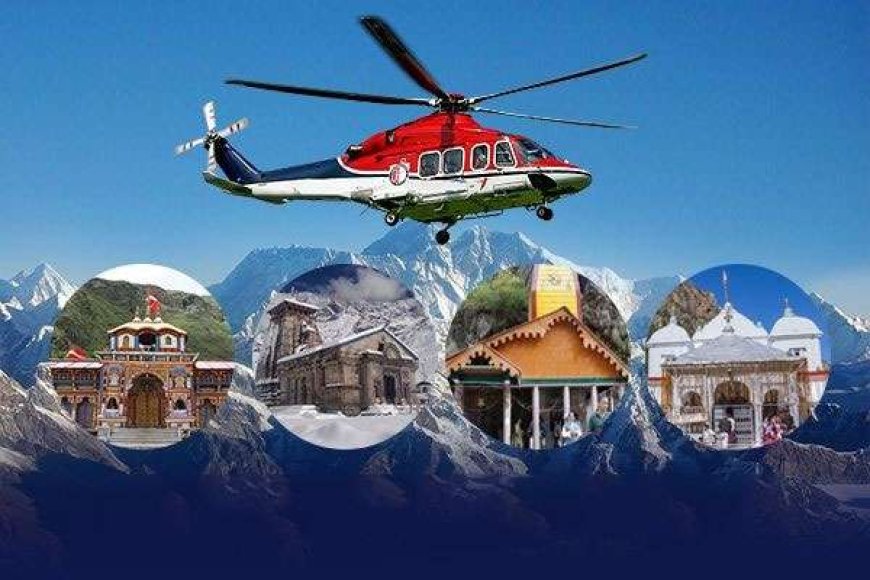
The Chardham Yatra—visiting Yamunotri, Gangotri, Kedarnath, and Badrinath—is one of the most spiritually invigorating journeys for many Hindus. But for seniors, this pilgrimage brings special considerations. With its high altitudes, rugged terrain, and long travel legs, it's vital to ask: Is Chardham Yatra safe for seniors? The good news is: yes—with the right planning, precautions, and mindset, the pilgrimage can be deeply rewarding and safe.
Let’s walk through the key factors:
1. Altitude & Physical Challenge
The Terrain
-
High altitude zones:
-
Gangotri: approx. 3,100 m (10,200 ft)
-
Kedarnath: approx. 3,583 m (11,755 ft)
These elevations bring thinner air, possibly leading to altitude sickness.
-
Uneven paths, steps, and inclines: Even at lower elevations, temple approaches often involve stone steps and uneven ground.
For Seniors
-
Altitude Acclimatization: It’s wise to spend a night at an intermediate spot—say, Uttarkashi before Gangotri—to acclimatize.
-
Pace: Encourage a relaxed, flexible schedule. Being forced to rush can bring exhaustion and stress.
-
Support: Simple aids like walking sticks, trekking poles, or even using gentle porter services can make a big difference.
2. Health Conditions & Medical Readiness
Common Concerns
-
Heart, lung, joint, or blood pressure issues can be aggravated under cold and stress.
-
Acute Mountain Sickness (AMS) risks: headache, nausea, fatigue, breathlessness.
-
Cold weather, especially in Kedarnath and Gangotri, may aggravate arthritis, respiratory issues, or circulation problems.
Proactive Steps
-
Medical clearance: Visit the doctor well ahead of the trip. A cardiopulmonary evaluation is particularly valuable.
-
Medications handy: Carry both routine prescriptions and essentials for altitude sickness (like acetazolamide), though always on medical advice.
-
Travel insurance: Opt for one including emergency evacuation—important when remote hospital access may be limited.
-
Know hospital locations: Familiarize yourself with the nearest healthcare centers en route.
-
Hydration & Rest: Stay well-hydrated, well-nourished, and prioritize rest breaks during travel.
3. Travel Logistics & Route Planning
Seasonal Conditions
-
The prime months are May to June and September to October. Monsoon brings landslides; winters plunge into snow and avalanche risk.
-
Early monsoon (July–mid-August) is especially risky for landslides and road closures.
Mode of Transport
-
Shared cabs vs. private vehicle:
-
Shared transit can involve frequent stops, crowded spaces, and fixed routes. Not always ideal for seniors.
-
A private vehicle (especially an SUV with good suspension) offers greater comfort and scheduling control.
-
Helicopter/BY road-+-helicopter combo: For Kedarnath, many seniors opt for helicopters to bypass long, steep treks. It’s costlier, but dramatically more comfortable.
Itinerary Suggestions
-
Stock accurate altitude info: Knowing what to expect helps seniors mentally and physically prepare.
-
Adjustable schedule: Build buffer days to rest, especially at higher altitudes.
-
Overnight stays: Prefer staying close to temples (like in Gaurikund for Kedarnath or Joshimath for nearby altitudes) instead of long drives in one go.
-
Rest splurges: Hot springs, cozy guest-houses, and shorter drives between legs—worth it for energy and comfort.
4. Facilities & Accommodation
On the Ground
-
Basic amenities: Many dharamshalas (pilgrim lodges) are functional but not luxurious. Some have shared toilets and basic bedding.
-
Improved options: Better guest houses or hotels have cropped up—some even with ensuite washrooms, heating, and medical assistance.
-
Food: Availability of soft, plain food like khichdi and porridge is increasing. However, carrying familiar snacks is wise.
What Helps Seniors
-
Choose upgraded lodgings where possible, even if pricier.
-
Prioritize heated rooms, private bathrooms, and window views (for ventilation and daylight).
-
Check availability of wheelchair or bedside assistance, especially in places like Kedarnath and Badrinath.
-
Carry water purification tablets—good for peace of mind where boiled water isn't always mark-1 clean.
5. Climate & Weather Challenges
Weather Realities
-
Cold and unpredictable—you could wake to sunshine and wind, or mist and drizzle, all in one day.
-
Rain in monsoon can bring slipperiness, knee hazards, and transport delays.
-
In early and late season, snow and ice may still persist at higher reaches.
Senior-Friendly Tips
-
Layering clothes: Thermal base, warm mid-layer, waterproof outer shell. Hats, gloves, and woolen socks matter.
-
Weather-resistant footwear: Waterproof, comfortable, with good grip. Avoid brand-new boots—break them in first.
-
Sun protection: Even in cold, sun at altitude is intense. Sunglasses with UV protection, wide-brimmed hat, and sunscreen are essential.
-
Carry gloom-buster gear: A small flashlight or headlamp helps during early wake-ups or dusky walks.
6. Safety Net: Support, Emergency, & Community Options
On-trip Assistance
-
Pilgrimage packages: Many local tour operators offer senior-friendly packages with chauffeurs, escort staff, stay pre-booked, and sometimes medical help.
-
Local assistance: Temple organizations often offer porter services, wheelchair help, or even mule/yak rides for specific stretches.
-
Mobile connectivity: In areas like Kedarnath, the network can be spotty—but recent expansions mean basic cell phone signal exists in many zones. Still, consider satellite-based SOS gadgets for remote spots.
Group Travel
-
Senior groups often travel together—“buddy system” ensures mutual help and emotional support.
-
Traveling with family makes a tangible difference: helping with steps, watchful care, and sharing drive tasks.
7. Spiritual & Emotional Uplift
All the challenges—altitude, terrain, weather—carry an undeniable spiritual payoff: the crisp Himalayan winds, the sound of gushing rivers, the serenity of remote shrines. For many seniors, participating in Chardham Yatra becomes not just a religious goal, but a triumph over physical limitations.
Important emotional benefits include:
-
A sense of accomplishment in completing a demanding pilgrimage.
-
Deep internal peace and spiritual fulfillment in ancient temples surrounded by Himalayan grandeur.
-
Creating lifelong memories: family photos, shared stories, the simple satisfaction of crossing peaks and valleys together.
8. Personal Preparation: Health, Mind & Motivations
Training Beforehand
-
Gentle cardio (walking, light stair-climbing, cycles) several times per week builds stamina.
-
Balance and flexibility exercises (yoga, stretching) reduce fall risk.
-
Mental rehearsal—planning, visualizing, knowing the itinerary—brings confidence.
Intent & Mindset
-
Be flexible: not all legs must be completed. Even two or three of the four shrines warrant the “Yatra”.
-
Associate the journey with compassion: rest when needed. Honor mindfulness and listen to the body.
-
Remember: spirituality flourishes when the mind is calm, not strained.
9. Case Study: Mrs. Sharma’s Chardham Yatra at 70
Consider Mrs. Sharma, aged 70, with well-managed hypertension and osteoarthritis. She and her family planned thoughtfully:
-
Itinerary: Fly to Dehradun, stay days in Uttarkashi to acclimatize, drive to Gangotri, return to yoga-friendly Rishikesh for rest, then go on to Kedarnath via helicopter from Phata, staying in warmed guest-house near Badrinath.
-
Support: Private SUV, porter assistance for final temple steps, medication kit, and family travel.
-
Mindset: Adjusted schedule to morning temple visits, afternoon rest. Prioritized joy over checklist.
-
Result: Completed all four temples comfortably, without any health incidents—only a sense of peace, accomplishment, and lasting memories.
10. Concluding Thoughts
So, is the Chardham Yatra safe for seniors? Strong yes—with preparation, respect for one’s own limits, and prudent planning, the pilgrimage can be deeply rewarding, safe, and transformative.
|
Key Insight |
Recommendation for Seniors |
|
Health & Fitness |
Medical check-up, acclimatization, training |
|
Logistics |
Private vehicles or helicopter, buffer days |
|
Gear & Clothing |
Layered, sturdy, sun-protective, waterproof |
|
Accommodation |
Upgraded stays with amenities, portability |
|
Support & Aid |
Escorts, porter/wheelchair services |
|
Mindful Motivation |
Flexible goals, spiritual mindset |
Final Note: Let the strides be measured, pace be gentle, and the heart remain open—and every step, even uphill, will become a cherished memory.