


























HVACR Product Safety Testing: Ensuring Reliability, Efficiency, and Compliance
HVACR product safety testing is essential for ensuring that heating, cooling, and refrigeration systems operate safely, reliably, and efficiently. By complying with international standards, manufacturers not only protect consumers but also enhance their brand reputation and open doors to global markets.

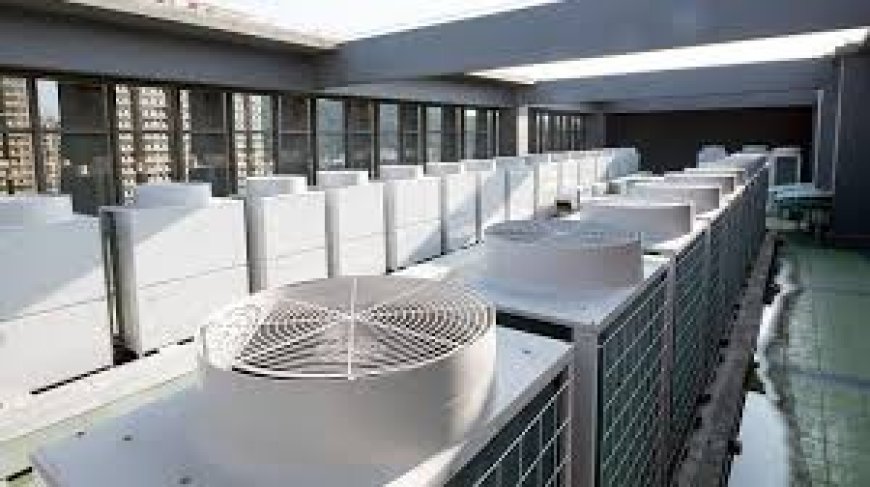
Heating, Ventilation, Air Conditioning, and Refrigeration (HVACR) systems are critical to modern comfort and industrial operations. From residential air conditioners and commercial refrigeration units to large-scale heating systems, these products must perform safely, reliably, and efficiently. HVACR product safety testing plays a central role in verifying that equipment meets regulatory standards, industry requirements, and customer expectations. Without rigorous testing, products risk failure, energy inefficiency, or even hazardous conditions such as fire, electrical shock, or refrigerant leaks.
In this article, we will explore the importance of HVACR product safety testing, the types of tests conducted, applicable standards, and the benefits for manufacturers, installers, and end-users.
Why HVACR Product Safety Testing Matters
-
Protecting Users and Property
HVACR systems operate with electricity, moving parts, and refrigerants under pressure. Proper safety testing ensures protection against overheating, electrical hazards, refrigerant leakage, and mechanical failures. -
Compliance with Regulations
Most countries mandate safety certification for HVACR equipment before products can enter the market. Testing demonstrates compliance with standards such as UL, IEC, ISO, and ASHRAE guidelines. -
Energy Efficiency and Sustainability
With rising energy costs and stricter environmental laws, safety testing often integrates efficiency evaluations to confirm that products operate without unnecessary energy waste. -
Market Access and Consumer Trust
Certified and safety-tested products gain quicker market approval and instill confidence among customers, contractors, and building owners.
Key Areas of HVACR Safety Testing
HVACR product safety testing involves multiple disciplines, as these systems include mechanical, electrical, and thermal components. Below are the major focus areas:
1. Electrical Safety Testing
-
Dielectric strength and insulation resistance checks ensure safe handling of electrical current.
-
Grounding and leakage current testing prevents electrical shock risks.
-
Overload protection testing confirms that circuit components can handle unexpected surges safely.
2. Mechanical Safety Testing
-
Vibration and shock tests assess durability under continuous operation.
-
Fan and blower safety ensures moving components do not pose hazards.
-
Housing and structural integrity testing checks resistance to corrosion, wear, and mechanical stress.
3. Thermal Safety Testing
-
Overheating protection tests confirm components like compressors and motors do not exceed safe temperature thresholds.
-
Fire resistance testing ensures insulation and materials resist ignition.
4. Refrigerant Safety Testing
-
Leak detection and containment confirm refrigerant lines are sealed and durable.
-
Pressure testing evaluates system endurance under high-stress operating conditions.
-
Flammability testing is critical, especially with newer low-GWP refrigerants that may have different safety profiles.
5. EMC and EMI Testing
HVACR products include electronic controls and smart sensors, making electromagnetic compatibility (EMC) testing essential. This ensures systems don’t interfere with or suffer from nearby electronic devices.
Industry Standards and Regulations
HVACR safety testing aligns with international and regional standards to ensure consistency. Commonly referenced standards include:
-
UL (Underwriters Laboratories): Covers electrical and fire safety in HVACR equipment.
-
IEC (International Electrotechnical Commission): Provides global safety and performance standards.
-
ISO (International Organization for Standardization): Focuses on environmental and quality management in testing.
-
ASHRAE Standards: Define performance, efficiency, and safety benchmarks.
-
EPA & DOE Regulations (U.S.): Enforce refrigerant safety and energy efficiency requirements.
Manufacturers seeking global market access often test against multiple standards for cross-border compliance.
Benefits of HVACR Product Safety Testing
-
Reduced Liability – Manufacturers lower the risk of lawsuits or recalls due to unsafe products.
-
Enhanced Product Reliability – Safety-tested systems deliver long-term performance with fewer breakdowns.
-
Competitive Advantage – Certifications serve as a marketing edge, proving commitment to quality and safety.
-
Faster Market Approval – Compliance with recognized testing protocols accelerates product launch timelines.
-
Environmental Protection – Testing refrigerants and energy performance supports global sustainability efforts.
The Future of HVACR Safety Testing
As HVACR systems evolve with smart controls, IoT connectivity, and eco-friendly refrigerants, testing will expand beyond traditional methods. Future trends include:
-
Cybersecurity testing for connected HVACR devices.
-
AI-driven predictive testing to simulate long-term use and failures.
-
Stricter refrigerant flammability tests with the industry shift to natural and low-GWP refrigerants.
-
Energy simulation testing to meet global carbon reduction goals.
Conclusion
HVACR product safety testing is essential for ensuring that heating, cooling, and refrigeration systems operate safely, reliably, and efficiently. By complying with international standards, manufacturers not only protect consumers but also enhance their brand reputation and open doors to global markets. As technology advances, testing requirements will become even more comprehensive, addressing new risks such as smart connectivity and alternative refrigerants. Ultimately, investing in rigorous safety testing is not just about compliance—it’s about safeguarding people, property, and the planet.


