


























How Was Edward Lear Viewed in Victorian Society?

Edward Lear?is a name that resonates with whimsy, nonsense, and imagination. He is best known for his nonsense poetry and limericks, which continue to charm readers today. However, to understand Edward Lears true place in history, it is important to explore how Victorian society viewed him. This article delves into Lears life, his work, and how people of his time responded to his unique creative expression.
Introduction to Edward Lear and Victorian Society
Edward Lear lived during the 19th century, a time known as the Victorian era. This period was marked by strict social codes, moral seriousness, and rapid changes in art, science, and culture. Victorian society valued order, discipline, and respectability. It was also an era when literature and the arts flourished but often followed strict rules. Lears work, which celebrated nonsense and playfulness, stood apart from mainstream Victorian values.
Despite this, Lear managed to gain both admiration and criticism. His style did not fit easily into the common Victorian literary categories. Understanding how Victorian society viewed Edward Lear means looking at his poetry, his visual art, and the cultural context of his time.
The Early Career of Edward Lear
Edward Lears Artistic Beginnings
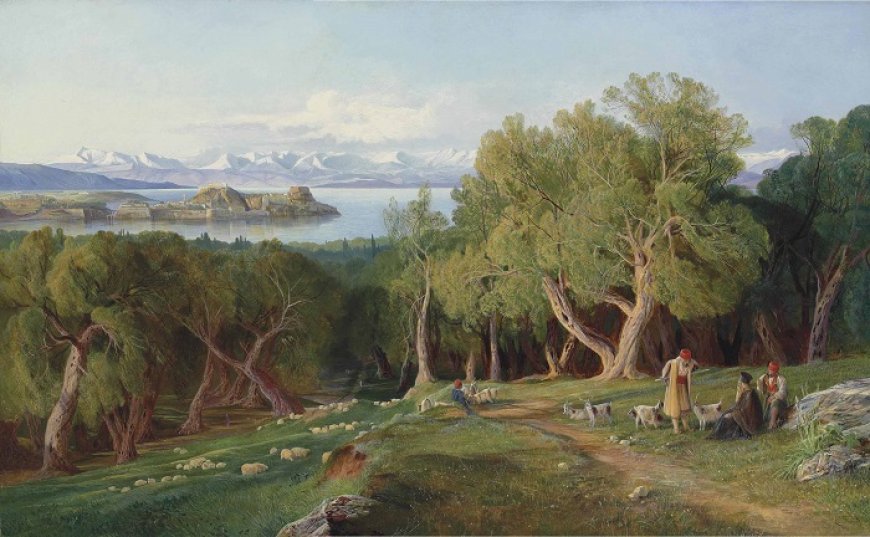
Edward Lear was born in 1812. From an early age, he showed talent in drawing and writing. He worked as an artist and illustrator for much of his early career. Lears travel drawings and natural history illustrations won respect in certain circles. This side of his work aligned well with Victorian values of scientific study and documentation.
Transition to Nonsense Poetry
However, Lears nonsense poetry was quite different. His first book of nonsense verses, A Book of Nonsense, was published in 1846. It introduced readers to his playful limericks and strange creatures. This was unusual for the time because most poetry aimed to teach moral lessons or express deep emotions. Lears nonsense was light, humorous, and often absurd.
Lears Nonsense Poetry and Victorian Reaction
Victorian Society and Literary Expectations
Victorian readers expected literature to be serious or instructive. Poems often focused on themes like love, religion, patriotism, and family values. The idea of nonsense poetry challenged these expectations. Lears verses were playful, silly, and sometimes even bizarre.
Some Victorians found Lears nonsense refreshing. It offered a break from the heavy moralizing that dominated much literature. Children, in particular, loved his books because they were fun and imaginative. Lears playful use of language appealed to the sense of wonder in young readers.
However, not all responses were positive. Some critics dismissed Lears nonsense as trivial or childish. They saw it as lacking the seriousness and dignity expected from poetry. This mixed reception reflected the tension between Victorian decorum and the freedom Lear embraced.
The Role of Humor and Play
Humor in Victorian society was often restrained. Public decorum required polite and measured expression. Lears nonsense poetry pushed against these limits. His poems used nonsense words, silly characters, and absurd situations. This humor sometimes puzzled adults but delighted children.
Victorians appreciated humor that reinforced social norms, but Lears humor questioned them. His nonsense allowed readers to laugh at logic, order, and seriousness. This was both a strength and a challenge to his acceptance in Victorian literary circles.
Edward Lear as an Illustrator and Artist
Lears Artistic Reputation
In addition to his poetry, Edward Lear was a skilled artist. His detailed illustrations of animals, landscapes, and plants earned him respect. Victorian society valued such works because they contributed to knowledge and education.
Balancing Art and Poetry
Lears artistic talents helped him maintain a respected position despite the unconventional nature of his poetry. His illustrations often accompanied scientific works, which gave him credibility. This balance between serious art and playful poetry made Lear a complex figure in Victorian culture.
Lears Place Among Victorian Writers
Literary Movements and Lears Unique Style
Edward Lears work did not fit neatly with the major literary movements of his time. Victorian literature included Romanticisms emotional depth and Realisms social commentary. Lears nonsense poetry was neither purely emotional nor socially critical.
Lears Influence and Growing Recognition
Despite this, Lear influenced later writers and poets. His playful language and imaginative style inspired future generations. Victorian society eventually recognized the unique value of Lears work. He became seen not just as a writer for children, but as a creative force who expanded the possibilities of poetry.
The Legacy of Edward Lear in Victorian Times
Growing Fame and Acceptance
During his lifetime, Edward Lears fame grew steadily. Childrens books became more popular, and his nonsense poetry was cherished for its originality. Though some critics remained skeptical, Lear found a loyal audience.
The Complex Reception of Lears Work
Victorian societys view of Lear was mixed but evolving. At first, he was seen as a curious figure who entertained children. Later, he gained respect as an artist and pioneer of imaginative literature. His influence extended beyond his era, making him an important cultural figure.
Conclusion: Edward Lears Complex Victorian Reception
Edward Lears work challenged Victorian norms with its nonsense and humor. Victorian society valued seriousness and moral instruction, but Lear offered whimsy and joy. This created a complex response. Some admired his artistry and creativity, while others questioned his place in literature.
The keyword Edward Lear reminds us of a man who lived between worlds: the serious and the silly, the respected and the playful. His poetry and art found a lasting place in Victorian society and beyond. Lears legacy continues to inspire readers who appreciate the power of nonsense and imagination.
In the end, Edward Lears view in Victorian society reflects the tension between tradition and innovation. His work remains a testament to the joy of creativity in a world that often demands conformity.


