How UV Air Purifiers Improve Indoor Air Quality and Health
Discover how UV Air Purifiers improve indoor air quality, support your HVAC system, and promote healthier living with long-term comfort and efficiency.

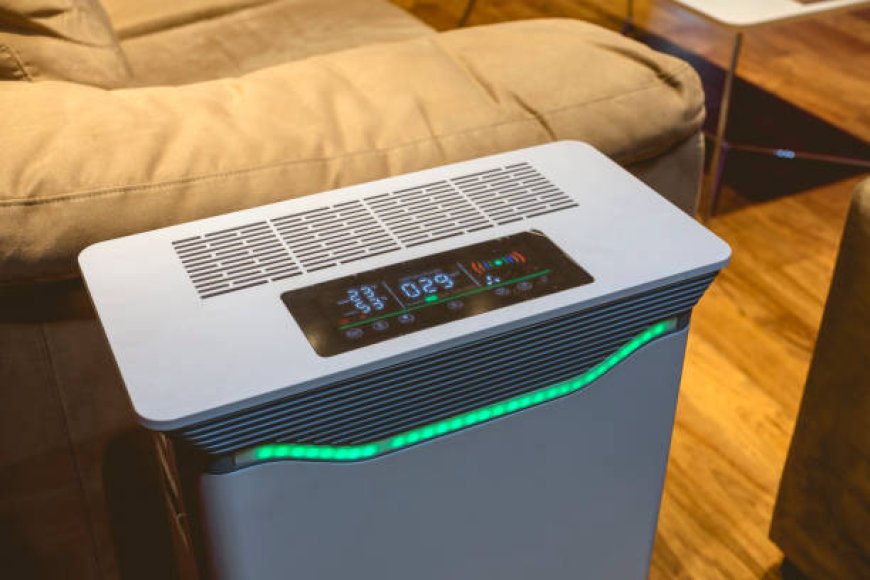
Indoor air quality is one of the most overlooked aspects of a healthy home. Dust, pollen, bacteria, mold spores, and even viruses often circulate through heating, ventilation, and air conditioning systems, affecting the comfort and health of everyone inside. Modern solutions like UV Air Purifiers have changed the way homeowners and businesses approach air cleanliness, making indoor spaces safer, fresher, and healthier.
Why UV Air Purifiers Are Different
Unlike traditional filters that simply trap particles, a UV air purifier uses ultraviolet light to neutralize harmful microorganisms. The technology disrupts the DNA of bacteria, mold, and viruses, preventing them from reproducing. This makes it one of the most effective tools for reducing airborne contaminants that filters alone can’t fully address.
How UV-C Technology Enhances Protection
One of the most advanced forms is the UV-C air purifier, which operates on the shortest and most powerful wavelength of ultraviolet light. This targeted light is effective at destroying germs, offering an added layer of defense against potential health risks. For families or businesses concerned with cleanliness, UV-C ensures air that feels noticeably fresher and safer to breathe.
Benefits for the HVAC System
When integrated into an HVAC system, a whole-house UV air purifier keeps ducts, coils, and vents free from mold and bacterial growth. Not only does this maintain cleaner air, but it also helps the system run more efficiently. By preventing buildup on coils and filters, ultraviolet purification extends equipment life and reduces the need for frequent maintenance.
Health Benefits You Can Expect
The health benefits of ultraviolet purification go beyond comfort. A UV germicidal air purifier significantly reduces allergens, which is especially helpful for individuals with asthma, seasonal allergies, or other respiratory conditions. Parents of young children and caregivers of elderly family members also find peace of mind knowing their loved ones are breathing cleaner, safer air.
Portable vs. Whole-House Solutions
Homeowners have options when it comes to choosing purification systems. A portable UV air purifier is ideal for bedrooms, offices, or small spaces where targeted cleaning is needed. On the other hand, a whole house UV air purifier integrates into your existing HVAC system, ensuring that every room benefits from sterilized air. Both solutions can be paired with HEPA filters, creating a HEPA UV air purifier setup for maximum protection.
Supporting Allergy and Asthma Relief
For those with chronic conditions, air quality makes a significant difference in daily life. A UV air purifier for allergies removes allergens before they circulate through living spaces, helping reduce sneezing, congestion, and watery eyes. Similarly, a UV air purifier for asthma provides relief by minimizing airborne irritants that often trigger symptoms, allowing individuals to breathe more easily and comfortably.
Final Thoughts
Investing in UV Air Purifiers is more than just an upgrade—it’s a commitment to healthier, cleaner living. These systems go beyond surface-level filtration by targeting the microscopic contaminants that standard filters often miss. From reducing airborne bacteria and mold to minimizing allergens, ultraviolet technology provides an added layer of protection that directly supports your family’s health and peace of mind.
Whether you choose a portable UV air purifier for a single room or a whole-house UV air purifier connected to your HVAC system, the benefits are long-lasting. Cleaner air improves sleep quality, reduces allergy and asthma triggers, and creates a fresher indoor environment. For households with children, elderly family members, or anyone with sensitive respiratory systems, this technology can make everyday living significantly more comfortable.
FAQs
1. Do UV Air Purifiers kill viruses and bacteria?
Yes, UV-C light neutralizes bacteria, mold, and many viruses by damaging their DNA, preventing them from reproducing.
2. Can UV Air Purifiers replace HEPA filters?
No, they work best together. A HEPA filter traps particles, while UV light sterilizes microorganisms for complete air cleaning.
3. Are UV Air Purifiers safe for homes?
Yes, when designed for residential use, they are safe and enclosed so UV light doesn’t escape into living spaces.
4. How often should a UV bulb be replaced?
Most UV bulbs last 9–12 months and should be replaced annually for maximum effectiveness.
5. Do portable UV Air Purifiers work as well as whole-house units?
Portable purifiers are effective for single rooms, while whole-house systems provide comprehensive coverage through the HVAC system.