How Does a Biomedical Waste Incinerator Ensure Safe Disposal?

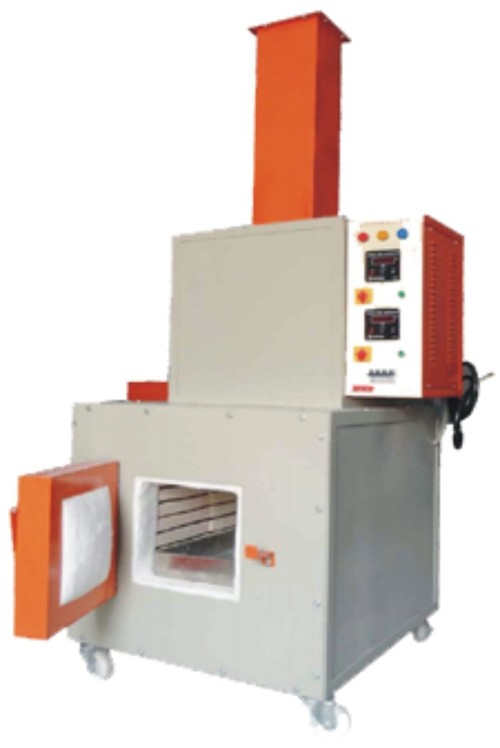
A biomedical waste incinerator is a high temperature thermal system designed specifically to treat infectious, pathological, and other hazardous medical wastes. Safe disposal begins with controlled combustion: wastes are fed into primary and secondary chambers where sustained high temperatures, turbulence, and sufficient residence time break down pathogens, organic materials, and pharmaceuticals into simpler, non infectious compounds. Modern designs prioritize complete oxidation to minimize the formation of toxic byproducts.
Key engineering controls ensure effectiveness.
The primary chamber initiates drying and pyrolysis, while the secondary chamber provides higher temperatures (often above 850 –1100°C depending on standards) and longer residence time to complete combustion and destroy persistent organics. Proper mixing and retention prevent cold pockets and incomplete burning. Automated feed systems and temperature controls maintain the required thermal profile, reducing operator error and ensuring repeatable performance.
Air pollution control is essential to protect workers and the community.
Flue gases pass through a sequence of device cyclones or multi stage mechanisms to remove large particulates, followed by scrubbers or dry sorbent injection to neutralize acidic gases, and fabric filters or electrostatic precipitators to capture fine particulates and dioxin precursors. Continuous emission monitoring systems (CEMS) track key parameters like oxygen, carbon monoxide, particulate matter, and specific pollutants; alarms and interlocks allow shutdown if emissions exceed safe limits.
Safe ash management is another critical component.
Bottom ash and fly ash can contain concentrated heavy metals and unburned residues; they must be collected, sampled, and treated or encapsulated before landfilling according to hazardous waste regulations. Proper storage in sealed containers, lab testing, and documented chain of custody procedures prevent environmental contamination.
Operational protocols and trained personnel form the human layer of safety.
Segregation of waste at source separating sharps, glass, pathological waste, and chemical wastes prevents inappropriate feeding that could cause explosions or toxic emissions. Routine maintenance, scheduled inspections of refractory linings, burners, and pollution control equipment, and clear standard operating procedures reduce mechanical failures and accidental releases. Personal protective equipment (PPE), vaccination where relevant, and restricted access zones protect workers handling feedstock and ash.
Regulatory compliance and documentation provide external safety verification.
Licenses, periodic stack tests, and third party audits ensure the facility meets emission limits and operating standards. Record keeping of temperatures, waste volumes, ash disposal, and maintenance logs creates traceability and enables corrective action when trends indicate potential problems.
Specialized incinerators
Such as a poultry incinerator used for disposing of animal carcasses, incorporate features tailored to their feedstock. Carcass incineration requires effective odor control, secure loading to prevent scavenging, and designs that handle high moisture and fat content without compromising combustion. Mobile or on site poultry incinerators are often designed for biosecurity, preventing disease spread by enabling rapid, local disposal during outbreaks while still integrating emission controls and ash containment.
In short, a combination of robust thermal design, layered pollution control technologies, strict operational procedures, worker safety measures, and regulatory oversight makes a biomedical waste incinerator an effective option for rendering hazardous biomedical materials non infectious. When designed, operated, and monitored properly, both fixed medical installations and specialized units like poultry incinerators can deliver safe, compliant disposal that protects public health and the environment.
Conclusion
A well designed biomedical waste incinerator combines high temperature combustion, adequate residence time, emission control systems, and strict operational protocols to render infectious material harmless while protecting workers and the environment. When operated and maintained correctly, even specialized units like a poultry incinerator can provide safe, efficient disposal that supports public health.