Electrochemical Relay Explained: How It Works and Why It’s Still Relevant


Relays have been an essential part of electrical engineering for over a century. Among the many types, theelectromechanical relayremains one of the most widely used components in control systems and protection schemes. Despite the surge of digital and solid-state technologies, this classic device holds its ground due to its simplicity, reliability, and robustness. In this article, we dive into the working principles of the electromechanical relay, explore its specific application in the form of theelectromechanical overcurrent relay, and explain why it continues to be relevant in todays evolving electrical landscape.
What Is an Electromechanical Relay?
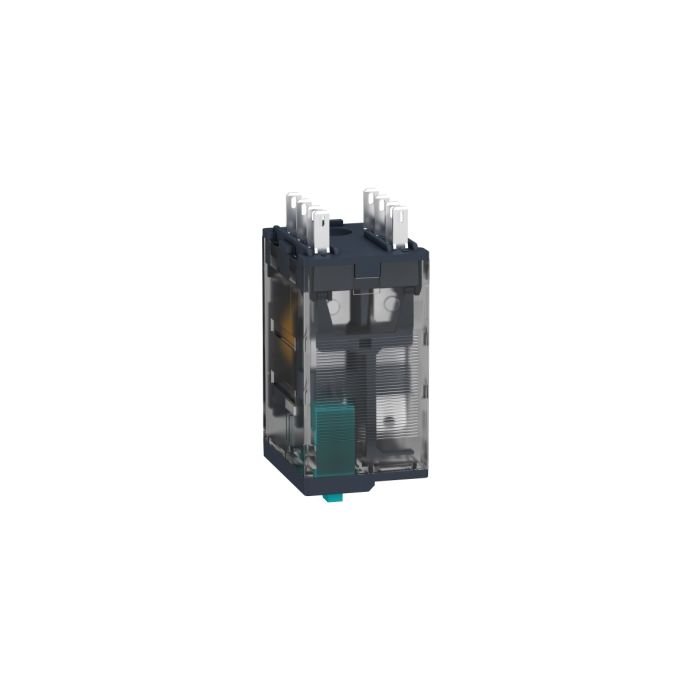
At its core, anelectromechanical relayis an electrically operated switch. It uses an electromagnetic coil to mechanically move a set of contacts, opening or closing circuits to control electrical devices remotely or automatically. The basic structure typically consists of:
Coil: When energized by an electrical current, it creates a magnetic field.
Armature: A movable iron lever attracted by the coils magnetic field.
Contacts: Metal points that open or close circuits depending on the armatures position.
Spring: Returns the armature to its original position when the coil is de-energized.
When the coil receives current, it generates a magnetic field that attracts the armature, causing the contacts to change position. This mechanical movement either connects or disconnects the circuit attached to the contacts.
How Does an Electromechanical Relay Work?
The working of anelectromechanical relayis simple yet ingenious. Heres the process:
Control Signal Activation: When a low-voltage electrical signal energizes the relay coil, it produces a magnetic field.
Armature Movement: The magnetic field attracts the armature, overcoming the force of the spring.
Contact Switching: As the armature moves, it causes the relay contacts to open or close, depending on the relays configuration (normally open or normally closed).
Circuit Control: The switching of contacts allows control of a high-voltage or high-current circuit by the low-voltage coil signal.
Deactivation: When the coil is de-energized, the spring pulls the armature back, returning contacts to their initial state.
This mechanical switching action is both visually intuitive and electrically reliable, making electromechanical relays suitable for many applications.
Types of Electromechanical Relays
Electromechanical relays come in various configurations, including:
Single-pole single-throw (SPST): Simplest on/off switch.
Single-pole double-throw (SPDT): Switches one input between two outputs.
Double-pole double-throw (DPDT): Controls two separate circuits.
Reed Relays: Contain reed switches inside a coil for faster operation.
Overcurrent Relays: Designed to detect and respond to excessive current flow.
Understanding the Electromechanical Overcurrent Relay
One of the most critical applications of the electromechanical relay is theelectromechanical overcurrent relay. This device is pivotal in power system protection and fault detection. It monitors the current flowing through a circuit and triggers when the current exceeds a predefined limit, indicating a fault condition like a short circuit or overload.
How It Works:
The relay coil is connected to the circuits current transformer.
Under normal current, the coil generates a magnetic field insufficient to move the armature.
When an overcurrent condition occurs, the increased current strengthens the magnetic field.
Once the magnetic force exceeds a set threshold, the armature moves, opening or closing contacts to trip circuit breakers or activate alarms.
This prevents damage to electrical equipment and ensures safety by quickly isolating faults.
Why Electromechanical Relays Are Still Relevant in 2025
In an era dominated by digital and solid-state devices, you might wonder why electromechanical relays remain popular. The answer lies in their unique advantages:
Simplicity and Reliability
Electromechanical relays are simple devices with straightforward operating principles, making them highly reliable. They can operate in harsh environmental conditions such as extreme temperatures, humidity, and electrical noise where complex electronics may fail.
Clear Mechanical Operation
Their mechanical movement allows easy diagnostics. Technicians can often observe the relays working condition visually, facilitating quick troubleshooting and maintenance.
No Need for External Power Supply
Many electromechanical relays operate solely on the controlled circuit current, making them independent of external power supplies. This reduces system complexity.
Cost-Effective Solution
Compared to complex digital relays, electromechanical relays are cost-efficient, especially for simple protection needs.
Electromechanical Overcurrent Relays Still Dominate Protection Panels
In many industrial and utility applications, electromechanical overcurrent relays are trusted to protect motors, transformers, and feeders due to their proven performance.
Fail-Safe Operation
Because of their mechanical nature, they are less prone to software or firmware failures common in digital relays.
Applications of Electromechanical Relays
Electromechanical relays are versatile and find applications across multiple domains:
Industrial Control Systems: For switching motors, pumps, heaters, and lighting circuits.
Protection Systems: As overcurrent relays or differential relays in substations.
Automotive Systems: For switching high currents safely.
Home Appliances: Used in washing machines, HVAC controls, and more.
Telecommunications: For signal routing and switching.
In particular, theelectromechanical overcurrent relayplays a vital role in electrical grids and industrial plants by ensuring safe operation and minimizing downtime.
Maintenance and Longevity
Despite being mechanical, these relays are designed for long life, often rated for millions of operations. Regular inspection ensures contact surfaces remain clean, springs maintain tension, and the coil is not damaged.
Many users still prefer electromechanical relays for critical applications because they offer a balance between durability and functionality.
Transition and Coexistence with Digital Relays
While digital relays offer advantages like programmability, remote monitoring, and advanced fault analysis, electromechanical relays often coexist in modern systems. This coexistence provides a backup layer of protection, increasing system robustness.
For example, a digital relay may handle complex protection schemes while an electromechanical overcurrent relay offers straightforward, fail-safe backup tripping.
Conclusion
Theelectromechanical relayand its specialized form, theelectromechanical overcurrent relay, remain indispensable in electrical control and protection systems. Their mechanical simplicity, robustness, and cost-effectiveness ensure that they continue to thrive alongside modern digital technologies.
Whether you are upgrading your industrial control panels, designing protection systems, or seeking reliable switching devices, electromechanical relays offer a trusted, proven solution.
For those looking to explore high-quality electromechanical relays and other electrical components, theSchneider Electric eShopis a trusted source. Schneider Electrics extensive range combines innovation with reliability, offering products tailored to meet diverse industrial and residential needs. Visit theSchneider Electric eShopto find the perfect electromechanical relay solutions for your applications.