Electrical Distribution Board Installation: Best Practices for Safety and Efficiency


Electrical systems form the backbone of any residential, commercial, or industrial setup. A well-designed and properly installed electrical distribution board is essential to ensure the safe and efficient distribution of power across circuits. These panels, also referred to as power distribution boards, are critical for managing electrical loads, preventing overloads, and protecting equipment from electrical faults. Understanding the best practices for installing distribution boards not only enhances safety but also improves system performance and reliability.
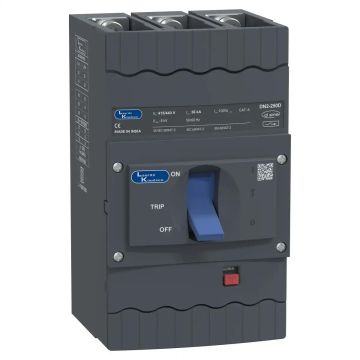
What Is an Electrical Distribution Board?
An electrical distribution board is a panel that divides an electrical power feed into multiple circuits while protecting circuit breakers, fuses, and other protective devices. The main purpose of these boards is to ensure controlled distribution of electricity, protect circuits from overload, and provide a convenient point for maintenance and troubleshooting.
Power distribution boards come in various configurations to suit residential, commercial, and industrial applications. They are designed to accommodate different current ratings, voltage levels, and types of loads, ensuring that power distribution is safe, efficient, and reliable.
Importance of Proper Distribution Board Installation
Proper installation of an electrical distribution board is crucial for several reasons:
-
Safety: Improper installation can lead to electrical hazards such as short circuits, overloading, and electrical fires. Correct installation minimizes these risks.
-
System Reliability: Well-installed distribution boards ensure a consistent power supply and reduce the likelihood of downtime due to faults.
-
Ease of Maintenance: A properly organized board simplifies troubleshooting and routine maintenance.
-
Compliance with Standards: Proper installation ensures adherence to electrical codes and safety regulations, reducing liability and ensuring insurance compliance.
-
Efficient Power Management: Correctly installed power distribution boards optimize load distribution, preventing overloading of circuits and enhancing energy efficiency.
Key Components of an Electrical Distribution Board
Understanding the components of an electrical distribution board is essential before installation:
-
Main Switch: Controls the overall power supply to the distribution board.
-
Circuit Breakers: Protect individual circuits from overloads and short circuits.
-
Busbars: Distribute power to multiple outgoing circuits efficiently.
-
Neutral and Earth Bars: Ensure safe return paths for current and grounding.
-
MCBs and MCCBs: Miniature and molded case circuit breakers provide precise and adjustable protection for different load requirements.
Each component plays a critical role in ensuring the safe and efficient operation of the distribution board.
Best Practices for Electrical Distribution Board Installation
Proper installation of power distribution boards involves careful planning, adherence to safety standards, and meticulous execution. Here are some best practices:
1. Plan the Layout Carefully
Before installation, plan the layout of the distribution board. Identify the number of circuits, the type of loads, and the placement of protective devices. Organizing circuits logically, such as grouping lighting, HVAC, and heavy machinery separately, helps in easier management and maintenance.
2. Choose the Right Location
Select a location that is dry, well-ventilated, and easily accessible for maintenance. Avoid placing the board near flammable materials, water sources, or areas prone to mechanical damage. Proper spacing around the board ensures safe operation and prevents overheating.
3. Use High-Quality Components
Always use certified and high-quality components for the electrical distribution board. High-grade circuit breakers, busbars, and switches reduce the risk of faults, extend equipment life, and ensure reliable performance.
4. Follow Electrical Codes and Standards
Adhere to local and international electrical codes during installation. Correct wiring, grounding, and protective device ratings are essential for compliance, safety, and system reliability.
5. Ensure Proper Grounding and Neutral Connections
Proper grounding is critical for safety. Connect the neutral and earth bars correctly, ensuring that all circuits are adequately protected against faults and electrical shocks. Grounding also stabilizes voltage levels, improving overall system performance.
6. Label Circuits Clearly
Clearly label each circuit on the distribution board. This facilitates quick identification during maintenance, troubleshooting, or emergency shutdowns. Labels should indicate the type of load, current rating, and other relevant information for easy reference.
7. Maintain Adequate Spacing
Maintain proper spacing between components within the board to prevent overheating and allow easy access for maintenance. Adequate spacing also minimizes the risk of accidental contact with live parts.
8. Test the Installation
After installation, thoroughly test the electrical distribution board and all power distribution boards connected to it. Check for proper operation of circuit breakers, continuity of wiring, and correct grounding. Testing ensures that the system is safe and fully operational before energizing circuits.
9. Implement Surge Protection
Consider integrating surge protection devices to safeguard the system from voltage spikes caused by lightning or sudden load fluctuations. Surge protection enhances the lifespan of sensitive equipment and reduces downtime.
10. Schedule Regular Maintenance
Even after proper installation, regular inspection and maintenance are essential. Check for signs of wear, loose connections, and overheating. Periodic maintenance ensures long-term safety, efficiency, and reliability of the distribution board.
Applications of Electrical Distribution Boards
Power distribution boards are versatile and used across various sectors:
-
Residential Buildings: Safeguard household appliances, lighting circuits, and air conditioning systems.
-
Commercial Buildings: Manage office equipment, lighting networks, and HVAC systems efficiently.
-
Industrial Facilities: Protect motors, machinery, and high-power equipment from electrical faults.
-
Data Centers: Ensure uninterrupted power supply to servers, networking equipment, and backup systems.
-
Renewable Energy Systems: Distribute power safely from solar panels, inverters, and energy storage systems.
These applications demonstrate how electrical distribution boards are fundamental to safe and efficient power management in diverse environments.
Advantages of Proper Installation
Proper installation of power distribution boards provides several key advantages:
-
Reduced risk of electrical hazards such as fires and shocks.
-
Reliable and uninterrupted power distribution across circuits.
-
Easier maintenance and troubleshooting for electricians and technicians.
-
Longer lifespan of electrical components and connected devices.
-
Compliance with safety regulations and industry standards.
Adhering to best practices in installation ensures that electrical systems are both safe and efficient, benefiting users in the long term.
Future Trends in Distribution Board Technology
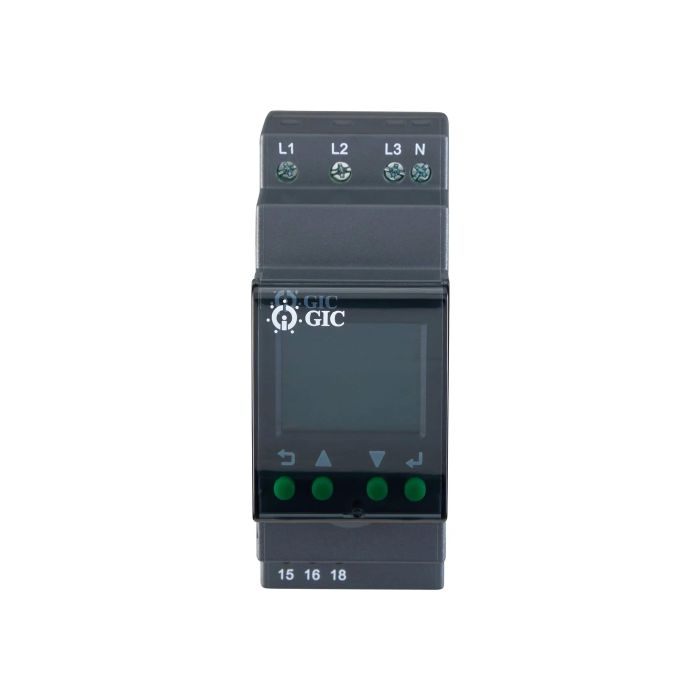
Modern electrical distribution boards are evolving with technology. Smart distribution boards now offer features such as real-time monitoring, remote control, energy usage analytics, and automated fault detection. Integration with IoT and building management systems allows for proactive maintenance, energy efficiency, and enhanced operational reliability.
These innovations make power distribution boards not just a safety device but also a tool for intelligent energy management and optimized electrical performance.
Conclusion
Installing an electrical distribution board correctly is crucial for ensuring safety, efficiency, and reliable power management. By following best practices such as proper planning, correct component selection, adequate grounding, labeling, and regular maintenance, both residential and industrial systems can operate safely and efficiently. Power distribution boards play a vital role in protecting equipment, preventing faults, and managing electrical loads effectively.
Lauritz Knudsen Electrical and Automation provides high-quality electrical distribution boards and comprehensive solutions for efficient power management. Their expertise ensures that systems are installed with precision, offering maximum safety, reliability, and performance across residential, commercial, and industrial applications.