


























Diastasis Recti After Pregnancy: What’s Normal & When to Get Help
Learn what’s normal with diastasis recti after pregnancy, symptoms to watch, and when it’s time to seek professional help.

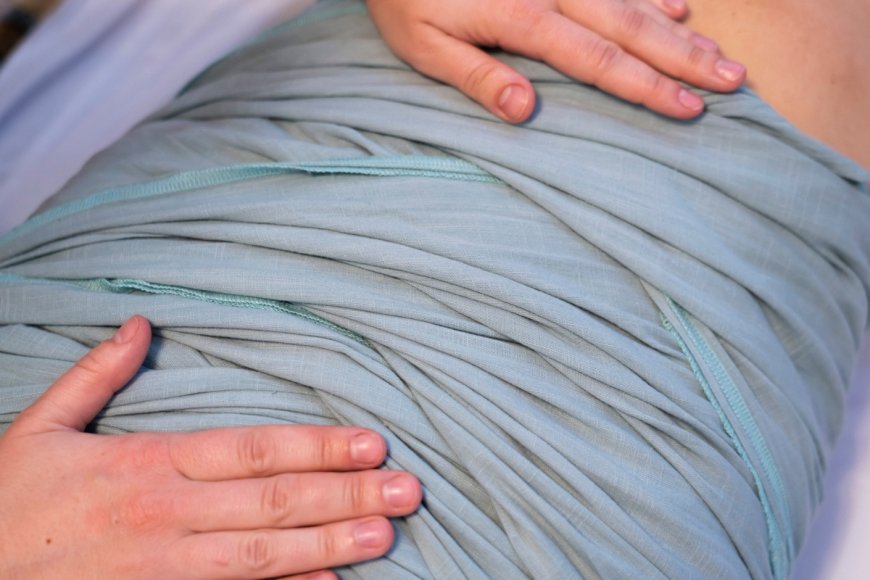
Pregnancy brings about many changes in a woman’s body, and while the joy of having a baby is immense, there are also physical challenges that come with the journey of childbirth. One condition many women face after giving birth is diastasis recti. This is when the abdominal muscles, specifically the rectus abdominis (the “six-pack” muscles), separate due to the pressure of carrying a baby. This condition is more common than most women realise, and it often raises the question: what’s considered normal, and when should you seek help?
During pregnancy, your abdominal muscles are stretched as your belly grows to accommodate the baby. This stretching can sometimes lead to a separation of the muscles along the midline of your abdomen. After delivery, this gap may still be present, which is why many women notice a different shape or feel some weakness in their belly area. While this is a common postpartum issue, it’s important to know that in most cases, it improves with time and proper care. But for some women, the separation can persist, leading to pain, weakness, and other issues that might need attention. So, how can you tell when it’s just a normal part of recovery and when it’s time to get help?
What’s Normal After Pregnancy?
After giving birth, it’s completely normal to have some degree of diastasis recti. Your abdominal muscles have been under a lot of strain, so it’s expected that they’ll need time to heal. In many cases, the muscles start to come back together naturally within a few months. During this time, you may notice that your belly appears a bit different when you try to do certain movements, like sitting up from lying down, especially right after birth.
For some women, the gap between the muscles is small and closes without any intervention. For others, it can take a bit longer. A common sign that you may have diastasis recti is a bulging or dome shape that appears in your stomach when you try to sit up or contract your core muscles. This happens because the muscles aren't able to fully come back together and hold the shape of your abdomen. Most of the time, if the separation isn’t too severe, you won’t have significant problems, and things will gradually improve with time.
What Are the Symptoms of Diastasis Recti?
Not all cases of diastasis recti cause noticeable problems, but some women may experience a few bothersome symptoms. The most common diastasis recti symptoms include discomfort or bloating, a weaker core, and sometimes back pain. If you’ve noticed that your stomach feels full or bloated even after eating small amounts, it could be because the abdominal muscles are not able to fully support your organs. This is called diastasis recti bloating and can be a common issue for women with this condition.
Another symptom is a feeling of weakness in your core. The rectus abdominis muscles play a key role in stabilising your body and helping you perform everyday movements, like bending down or lifting. When these muscles are separated, it can be harder to perform even basic tasks, and you may feel a lack of support in your abdominal area. In some cases, you might even be able to feel a gap or space between your muscles when you press on your belly. This can also contribute to discomfort or make it difficult to perform certain exercises or activities.
When to Seek Help
While some abdominal separation after pregnancy is perfectly normal, certain signs indicate it might be time to get professional help. If you experience persistent symptoms like bloating, pain, or weakness in your abdominal area, it’s worth consulting a healthcare provider. These symptoms may suggest that your diastasis recti hasn’t healed as expected, and you might need specialised treatment to help your body recover.
A physical therapist can assess the degree of muscle separation and recommend exercises that can help strengthen your core. These exercises will likely focus on the deep abdominal muscles (the transverse abdominis), which are responsible for stabilising the body. By strengthening these muscles, you can reduce the gap between the separated muscles and improve your overall core strength.
In some cases, if the separation is severe and doesn’t improve with physical therapy or exercise, surgery might be considered. However, surgery is generally a last resort, and most cases of diastasis recti can be managed with exercise and physical therapy.
Preventing Diastasis Recti: What You Can Do During and After Pregnancy
Even though diastasis recti is common, there are steps you can take during and after pregnancy to reduce your chances of developing it or to make recovery easier. Here are some simple tips:
-
Strengthen Your Core During Pregnancy: Before and during pregnancy, engage in gentle core-strengthening exercises to support your abdominal muscles. Always check with your doctor or physical therapist before starting any new exercise routines.
-
Focus on Good Posture: As your belly grows, it’s important to maintain good posture to avoid unnecessary pressure on your abdominal muscles. Try to stand tall, and avoid slouching.
-
Lift Properly: After childbirth, it’s essential to avoid straining your abdomen by lifting heavy objects improperly. Use proper form—bend your knees and engage your core before lifting anything.
-
Don’t Rush Back into Exercise: After giving birth, allow your body time to heal before jumping back into intense workouts. Start with gentle exercises like walking or pelvic floor exercises. Gradually build up your strength over time.
-
Seek Help if Necessary: If you experience any signs of diastasis recti, such as bulging, pain, or weakness, seek advice from a healthcare professional. Early intervention can prevent the condition from getting worse.
Conclusion: Take Action to Heal and Strengthen Your Body
If you’re dealing with diastasis recti after pregnancy, remember that you’re not alone, and recovery is possible. While some separation is normal and will heal with time, persistent symptoms like pain, bloating, or weakness might need professional attention. By focusing on strengthening your core and maintaining good posture, you can improve your chances of recovery.
If you’re looking for guidance on how to address diastasis recti or want to learn more about postpartum recovery, visit the re-centre. They offer expert advice and tailored exercises to help you heal, regain strength, and feel confident in your body again.


