Your Ultimate Guide to Starting an Aeroponic Tower Garden at Home
The aeroponic tower garden is a powerful and accessible tool for anyone looking to grow their own food, regardless of their space or experience level.

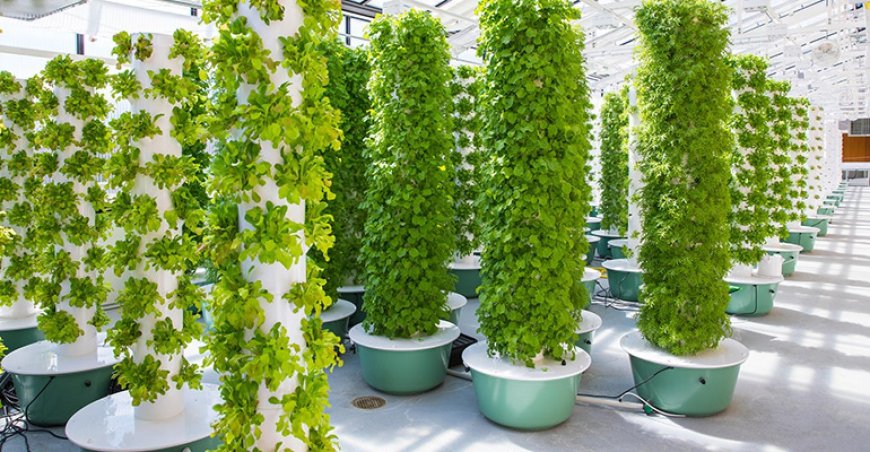
Thinking about starting a garden, but dont have the space, the time, or the green thumb? An aeroponic tower garden might be the perfect solution for you. These sleek, vertical systems are the ultimate modern gardening tool, allowing you to grow a wide variety of plants with incredible efficiency and minimal mess. This guide will walk you through everything you need to know to get started, from setting up your first aeroponic tower to harvesting your first crop.
Getting to Know Your Aeroponic Tower
An aeroponic tower garden is a soilless system that grows plants vertically. The roots are suspended in air and fed with a nutrient-rich mist or drip solution. This is a key distinction from traditional hydroponics, where roots are often submerged. The advantage of this air-based system is that it gives the roots constant access to oxygen, which is essential for rapid, healthy growth. This efficient delivery of oxygen and nutrients can lead to growth rates up to three times faster than in soil.
The core principle is simple: water is pumped from a reservoir at the base of the tower to the top, where it then trickles down, nourishing the roots as it flows past them. This closed-loop system ensures that water is continuously recycled, resulting in an incredibly efficient use of resources. This makes the aeroponic tower a highly sustainable option for modern gardeners.
Setting Up Your Vertical Garden: A Step-by-Step Guide
Starting your own aeroponic tower garden is surprisingly straightforward. Here's a quick breakdown of the process:
-
Assembly: Most systems come in a modular design that is easy to snap together. Start by setting up the reservoir at the base. Place the pump inside and connect the central water pipe that will run up the centre of the tower.
-
Location: Choose the right spot. For an outdoor vertical garden, a sunny location is best. For indoor use, you'll need a spot that gets at least 6-8 hours of direct sunlight, or you'll need to use grow lights. Most people find a spot near a south-facing window (in the northern hemisphere) or a designated indoor growing area.
-
Filling the Reservoir: Fill the reservoir with water and add the appropriate amount of nutrient solution. It's crucial to use a nutrient solution specifically designed for hydroponics or aeroponics, as it will be more soluble than standard soil fertilisers.
-
Planting: You can start with seedlings or small plants. Gently place them in the grow pots or net cups. The roots should hang freely inside the tower.
-
Setting Timers: Program your timers for the watering and lighting cycles. A good starting point for watering is a 15-minute on, 45-minute off schedule, though this can be adjusted based on the plants you're growing and your environment. For lights, a 12- to 16-hour cycle is standard.
What to Grow in Your Aeroponic Tower
The versatility of an aeroponic tower allows you to grow a wide range of produce. Leafy greens like lettuce, spinach, and kale are excellent choices for beginners, as they grow quickly and require minimal maintenance. Herbs like basil, cilantro, and mint also thrive.
For more advanced gardeners, the aeroponic tower garden can successfully grow fruiting plants such as tomatoes, cucumbers, peppers, and strawberries. Keep in mind that vining plants may need some form of external support, such as a trellis, as they grow larger. The compact, vertical nature of the tower allows you to cultivate a surprising amount of food in a minimal footprint, making it an ideal solution for urban living.
Essential Maintenance and Troubleshooting
Keeping your aeroponic tower healthy and productive requires a few simple maintenance routines:
-
Check Water and pH Levels: Check the water level in your reservoir at least once a week. The pump should always be submerged. At the same time, test the pH of the water. If its outside the ideal range of 5.5 to 6.5, adjust it using a pH up or down solution. This is arguably the most important step for ensuring your plants can absorb nutrients.
-
Cleaning: Every few weeks, it's a good practice to empty the reservoir, clean it with fresh water, and refill it with a new nutrient solution. This prevents the buildup of salts and ensures your plants are getting the freshest possible nutrients.
-
Pruning and Harvesting: Regularly harvest your crops to encourage new growth. Pruning also helps to maintain the plant's shape and directs its energy toward producing more fruit or leaves.
By following these simple steps, you can avoid common issues like root rot (which is rare in aeroponics due to the high oxygen levels) and nutrient deficiencies.
The Wider Impact of the Aeroponic Tower
Beyond the personal benefits of having fresh produce at your fingertips, using an aeroponic tower garden has a positive environmental impact. The systems water efficiency is unparalleled, using up to 95% less water than traditional soil-based methods. This makes it an ideal solution for regions facing water scarcity. Furthermore, by growing your own food, you eliminate the need for long-distance transport, reducing your carbon footprint. You also have complete control over what goes into your food, allowing you to grow produce free of pesticides and herbicides. The aeroponic tower is not just a garden; it's a step toward a more sustainable and healthy lifestyle.
Conclusion
The aeroponic tower garden is a powerful and accessible tool for anyone looking to grow their own food, regardless of their space or experience level. Its efficiency, sustainability, and ease of use make it an ideal choice for the modern urban dweller. By leveraging this innovative vertical garden technology, you can enjoy a continuous supply of fresh, homegrown produce while contributing to a more sustainable future. For more information on how you can get started, check out ALTO Gardens resources and products.