Was Anne Sexton's Poetry a Cry for Help?

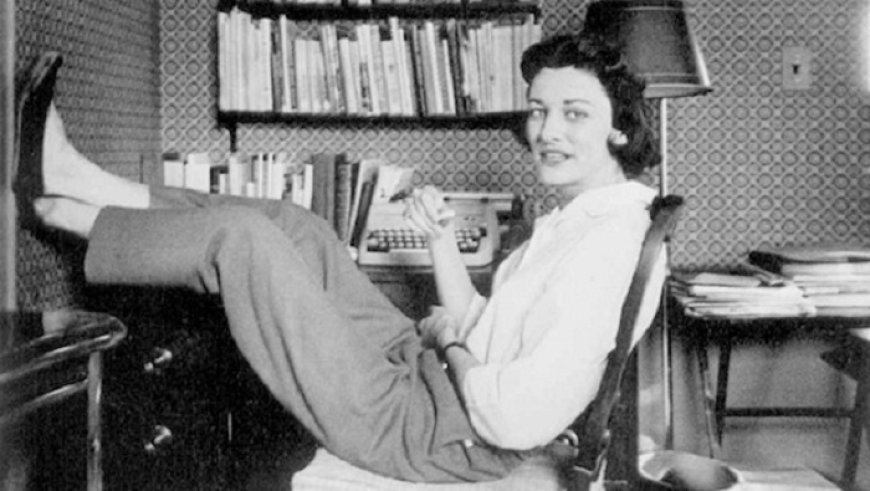
Anne Sexton?was one of the most powerful and unsettling poets of the twentieth century. Her poems are remembered not only for their lyrical beauty but also for their raw emotional content. She was part of the confessional poetry movement. This group of poets did not hide behind metaphor or distance. Instead, they brought their personal pain and struggles into the open.
Anne Sexton wrote openly about mental illness, depression, self-doubt, womanhood, motherhood, and death. Her poems contain vivid and often disturbing images. They explore the shadows of her life and mind. Because of this, many readers and critics have asked the same question. Was Anne Sexton's poetry a cry for help?
This article will explore this question. It will consider different aspects of her life, writing style, and themes. It will also look at how her poetry speaks to pain and healing.
Anne Sexton's Battle with Mental Illness
One of the most well-known facts about Anne Sexton is her long struggle with mental health. She was first hospitalized in her twenties after giving birth to her second child. She attempted suicide multiple times during her life. These experiences shaped her writing deeply.
Sexton did not hide these struggles in her poetry. She brought them forward in a direct and painful way. In poems like "Wanting to Die" or "The Addict," she describes her mental state without filter. The speaker in these poems is often in despair. Sometimes the speaker wants to disappear. Sometimes she talks about wanting to be saved. This emotional honesty made her voice unique.
Her use of poetry as a way to confront her illness can be seen as therapeutic. Many psychologists and scholars believe she used writing to process her inner world. In this sense, the poems may have served as both a form of expression and a silent plea for understanding.
Use of Confessional Style
Anne Sexton was part of a poetic movement called confessional poetry. Other poets in this group included Sylvia Plath and Robert Lowell. Confessional poetry broke away from tradition. It focused on the personal life of the poet. It did not shy away from taboo topics.
Sexton's poems were often filled with autobiographical details. She wrote about her hospital stays. She wrote about her troubled marriage. She wrote about guilt, shame, and trauma. Readers often felt like they were reading her diary.
Because of this style, many critics believe her poetry functioned like a cry for help. Her poems were not always addressed to others. But by sharing her pain so openly, she created a space where readers could witness her suffering. That act alone is a request for recognition. Even if she did not ask for help directly, her words show someone trying to be heard.
Themes of Death and Despair
One of the most striking features of Anne Sextons poetry is her constant focus on death. Many of her poems speak of suicide, funerals, and darkness. These are not passing references. They are central to the voice she creates.
In "Wanting to Die," she explores her attraction to death. She describes how she waits for it. She admits to listening for its voice. These lines are haunting. They do not feel like fiction. They feel like truth.
Some poems, like "Live" and "Little Girl, My String Bean, My Lovely Woman," suggest moments of hope. But they are rare. Most of her work moves in a direction of deep internal sadness.
This repeated focus suggests that Sexton was using poetry to explore her desire to leave life. Each poem becomes part of a pattern. Over time, it becomes clear that her relationship with death was not just poetic. It was personal.
Relationship with Therapy and Writing
Anne Sexton began writing poetry after her therapist suggested it. This detail matters. It shows that from the beginning, writing was linked to healing. Her therapy and poetry developed together.
In fact, Sexton often recorded her therapy sessions. She listened to them later. She used them to help her write. She was aware of her inner battles. She tried to work through them with words. Some scholars believe that writing became her main form of survival.
Still, others worry that it was not enough. Writing gave her a voice, but it may not have been a cure. When she died by suicide in 1974, many saw it as the final page of her confessional life. The pain in her poems had spilled into her reality. This has led many readers to ask whether her poetry was always a silent cry for help that was never fully answered.
Motherhood and Female Identity
Sexton also wrote about motherhood and womanhood with brutal honesty. In poems like "Housewife" and "The Double Image," she expressed the conflict between social roles and inner truth. She struggled with being a mother. She felt both love and fear. Her identity as a woman was not peaceful. It was full of questions and wounds.
These themes connect to the idea of a cry for help. Sexton often wrote from a place of feeling trapped. Society expected her to act in certain ways. But inside, she felt broken or lost. Her poetry becomes a space where she can say what cannot be said aloud.
By exposing these truths, she hoped to free herself. But she also spoke for others. Many women who read her poems found their own struggles reflected there. Sextons cry was not only for herself. It was for many.
Voice and Tone in Her Work
Another way to understand whether Anne Sexton's poetry was a cry for help is to study her tone. Her voice is often direct. It is also full of emotion. Her poems do not mask her feelings. They offer them raw and unfiltered.
She often spoke to others in her poems. Sometimes she spoke to her children. Sometimes to her doctor. Sometimes to God. These addressees suggest she was seeking response. She was not simply writing to herself. She was writing to someone who might listen.
In this way, her poetry forms a bridge. It reaches from her inner world to the outside. It is as if she is asking, will anyone hear me? Will anyone understand?
Conclusion: Cry for Help or Artistic Exploration?
So was Anne Sextons poetry a cry for help? The answer may not be simple. Her poems were clearly shaped by personal pain. They often spoke of death, fear, and despair. They revealed her struggle with mental illness and her longing for peace. They were written with the hope that someone might listen.
At the same time, they were also works of art. Sexton crafted her language with skill. She made images that stay with the reader. She brought honesty to poetry in a new way. Even if she was crying out, she did so with poetic mastery.
In the end, her poetry is both a document of suffering and a gift of beauty. Anne Sexton opened her world to readers. In doing so, she made her private pain into public meaning. Whether her poems were a cry for help or not, they continue to move and stir those who read them. That lasting power may be the greatest legacy of all.