Using Vibro Feeders in Cement, Steel, and Power Industries
Explore how vibro feeders enhance efficiency in cement, steel, and power industries by ensuring smooth material handling and flow control.

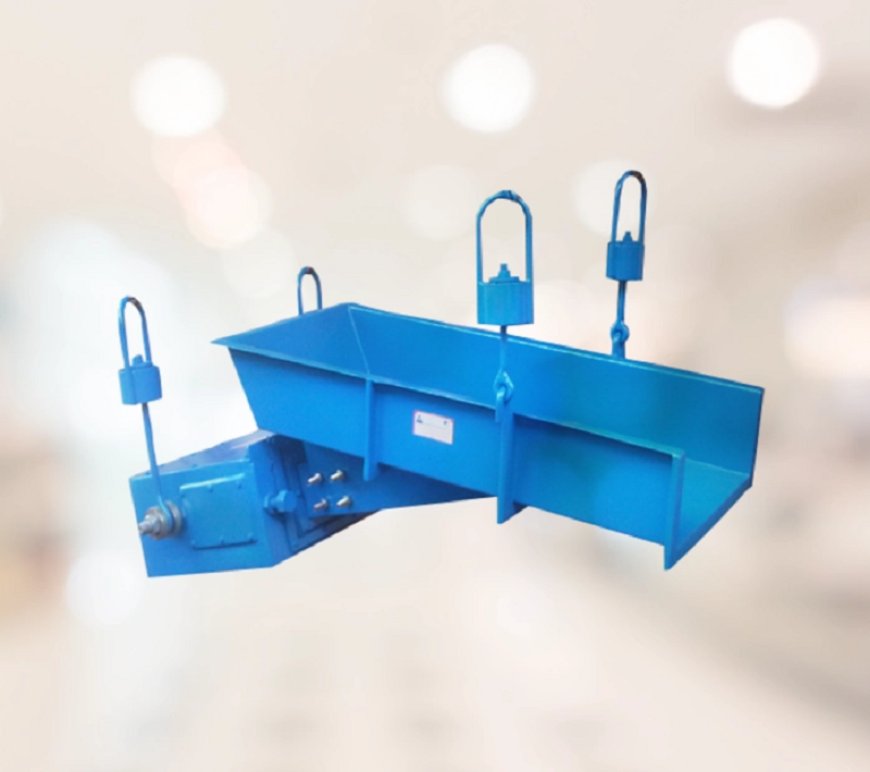
The efficient operation of bulk industries such as cement, steel, and power relies heavily on material handling systems. Of the major elements of these systems, the vibro-feeder is particularly important. Designed to provide controlled and uniform material flow, vibro feeders are required in bulk material applications. These feeders, usually mounted on an industrial electromagnet for peak performance, streamline production, minimise downtime, and increase overall efficiency.
In this article, well explore the use of vibro feeders in key industries, understand the challenges they address, and discuss how modern innovations are reshaping their application.
The Role of Vibro Feeders in the Cement Industry
Raw materials such as limestone, gypsum, clay, and fly ash are processed in bulk and go through different stages of production in the cement-making process. Vibro feeders provide a consistent quantity of materials at the same rate to crushers, grinders, and mixers. This is very important because a variation in material feeding could lead to ineffective grinding or mixing and hence impact product quality.
One of the biggest issues in cement works is material clogging and improper distribution caused by dusty conditions. To a certain degree, sealed design vibro feeders with increased wear resistance ensure control of sticky or abrasive material without clogging. Besides, industrial electromagnet components incorporated into feeders ensure ferrous impurities removal, protecting downstream equipment such as crushers and mills from damage.
Application in the Steel Industry
In steel plants, vibro feeders do anything from filling raw iron ore and coke into blast furnaces to metering material evenly along processing lines. Mechanical vibration allows it to control exactly how the furnace is supplied with the exact proportion of input materials, which matters in chemical balance and product uniformity.
Steel plants like to handle abrasive and heat-resistant materials. Heavy-duty construction vibro feeders and heat-resistant liners are a must here. Apart from this, along with being used alongside an industrial electromagnet, the feeders ensure effective metal separation during scrap recycling, increasing purity and decreasing wastage.
Role in Power Plants
Power stations, especially coal power stations, are dependent to a large extent on vibro feeders to convey coal from stores to crushers and subsequently to the boiler feed system. With such a large quantity of material conveyed each day, failure to feed can disrupt energy production.
Vibro feeders, having a heavy throughput capacity, provide a smooth and even coal flow. Not only does this keep the burning process efficient, but it also saves boilers from too much wear and tear. Internal industrial electromagnets make sure that metallic junk is extracted from the coal, which otherwise would be harmful to the senses of the crusher and other machinery.
How Electro Flux Equipments Provides Customised Vibro Feeder Solutions
While vibro feeders are standardised in the power, steel, and cement industries, each plant will have varying conditions of work and capacity constraints. This is where Electro Flux Equipments excels. It is a company that was formed in 2005 and is an ISO company. It excels at offering customised vibrating equipment and industrial lifting magnets.
Electro Flux identifies the key challenges of industries like material plugs, varying feed rates, and wear on equipment. Their vibro feeders are designed to be maintenance-free and rugged with a strong build for dusty and heavy-duty operations. For customers who work under extreme conditions, they provide feeders with special liners and dust-sealed housing.
In addition, the company employs industrial electromagnet technology within its feed systems to provide the removal of unwanted ferrous particles. This avoids expensive downtime due to damaged equipment and keeps the production line intact.
Electro Flux stands out as the odd one among the pack due to its customer-oriented service. Their service extends beyond installation, with on-site diagnosis, post-sales maintenance, and even after-sales service for non-Electro Flux installations. Their approach of on-time delivery, personalised solutions, and unparalleled service has won them repeat orders from an overwhelming majority of clientele.
Technological Upgradation in Vibro Feeders
Advanced vibration feeders come with high-end features such as variable frequency drives (VFDs), so feed rate is controlled in real time according to the process requirement. Not only does it enhance operating flexibility, but it also leads to a more efficient energy system. Next-generation mechanisms for vibration control minimise noise and structural load, giving rise to an improved working environment.
In addition, with the advent of digitalisation, some of the feeders incorporate smart sensors that measure wear, vibration rate, and throughput, enabling predictive maintenance and minimising unplanned downtimes.
Conclusion
Vibro feeders have also found themselves as material handling pillars of the cement, steel, and power industries. That they can provide consistent, controlled material flow directly affects productivity as well as operational safety. When they are supplemented with equipment such as the industrial electromagnet, they become even safer and more efficient for mission-critical equipment.
For industrial consumers seeking reliable, efficient, and tailored feeding solutions, Electro Flux Equipments offers a complete solution. With its high success rate, innovative design strength, and customer-focused services, they are best positioned to cater to the growing needs of industrial operations.
To know more about their specialised vibro feeders and how they can enhance your plant's performance, call Electro Flux Equipments today.