


























The Unsung Heroes at Sea: Life Aboard a Merchant Navy Ship
Discover the heroic role of the merchant navy ship during wartime. Learn about the brave merchant mariners and U.S. Navy Armed Guard who kept supply lines alive under constant threat.

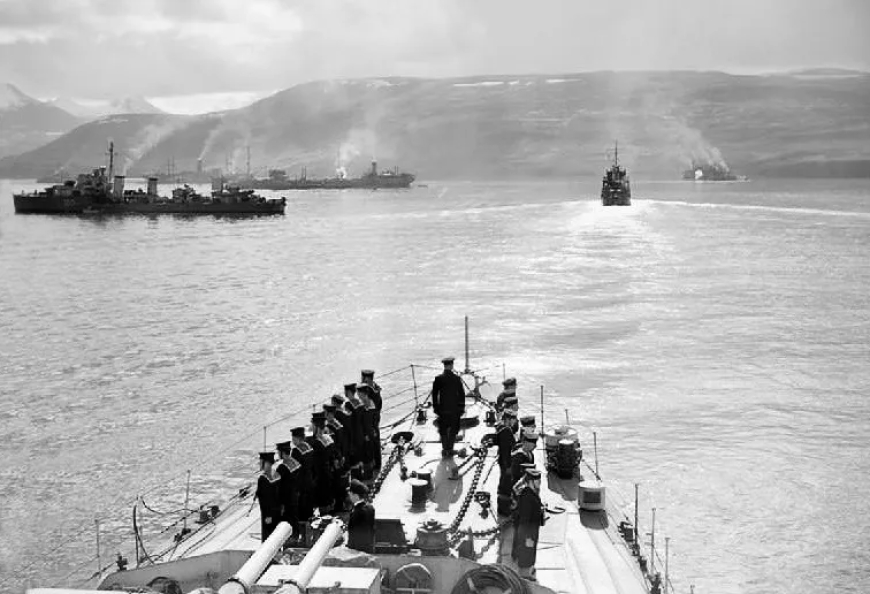
During times of war, much has been written about the bravery of soldiers on the battlefield or the might of naval fleets patrolling hostile waters. But too often, one group of men is overlooked the civilian sailors aboard the merchant navy ship, who sailed into danger with little fanfare and even less protection.
These vessels, often dismissed as mere cargo carriers, were vital arteries of the war effort, bringing ammunition, fuel, food, and supplies to the front lines. Their crews were not career soldiers but merchant mariners ordinary men performing an extraordinary service. Alongside them, members of the U.S. Navy Armed Guard provided vital defense, forging a bond that was both unique and heroic.
The Role of the Merchant Navy Ship in Wartime
A merchant navy ship might not be bristling with cannons or built for battle, but in World War II, these vessels became prime targets. As the lifeline between the home front and distant theaters of war, their routes were treacherous and often unescorted, especially in the early years of the conflict.
Germany’s U-boats prowled the Atlantic, sinking merchant ships with devastating efficiency. In fact, in the early years of the war, losses were so severe that many wondered if the Allies could sustain their supply lines. Yet, the merchant navy ship kept sailing.
These ships varied in size and type from tankers and freighters to Liberty and Victory ships hastily constructed to keep up with demand. But what they carried was always critical: bullets and beans, jeeps and jet fuel. Without these floating lifelines, the war effort would have ground to a halt.
Who Were the Men Behind the Wheel?
The civilian sailors aboard these ships came from every walk of life. Some were seasoned mariners; others were teenagers barely out of school. They signed on knowing the risks, understanding that theirs was one of the most dangerous jobs in the war.
The men who served on a merchant navy ship weren't given the same recognition as military personnel. They wore no uniforms, received no benefits, and for many years, their stories went untold. And yet, their contribution was immeasurable.
Some merchant seamen were torpedoed multiple times but returned to sea again and again. They endured fires, floods, and freezing Atlantic crossings not because they had to, but because they knew the cargo they carried could mean the difference between victory and defeat.
The U.S. Navy Armed Guard: Protecting the Lifeline
Recognizing the vulnerability of merchant ships, the U.S. Navy established the Armed Guard. These were Navy personnel assigned to defend merchant vessels. Typically, a detachment of Armed Guard sailors would be stationed aboard a merchant navy ship, manning deck guns and handling communications.
The collaboration between the civilian crew and the Armed Guard was often tense at first. Navy men and merchant sailors had different training, backgrounds, and expectations. But the crucible of combat forged a camaraderie that many remembered for the rest of their lives.
The Armed Guard operated under extreme conditions. Gun crews stood watch 24/7, often battling not only enemy submarines and aircraft but also the unforgiving sea. They endured isolation, lacked medical personnel, and rarely received the recognition they deserved. Their motto We Aim to Deliver was more than a catchphrase. It was a mission.
Danger at Every Turn
The journey of a merchant navy ship was fraught with peril. Convoy routes were long, and the enemy was always watching. Submarines attacked with impunity, mines floated undetected, and enemy aircraft could appear without warning.
When a ship was hit, the consequences were catastrophic. Explosions tore through holds full of fuel or ammunition. Fires raged out of control. Survivors often had minutes or seconds to escape. Lifeboats might not launch. Those who made it to the water faced hypothermia, drowning, or capture.
Yet, despite all of this, the merchant fleet sailed on. Over 8,000 U.S. merchant mariners lost their lives during World War II a higher percentage of casualties than any branch of the armed forces. And still, volunteers kept coming.
Legacy of the Merchant Navy Ship and Its Crews
Today, the merchant navy ship stands as a testament to civilian bravery in wartime. While the soldiers stormed beaches and the Navy fought for control of the seas, merchant mariners and their Armed Guard protectors ensured that the machinery of war never stalled.
Memorials now exist in ports around the world, honoring the service and sacrifice of these men. Their courage helped shape the outcome of global conflict, and their resilience deserves a place in the annals of history.
Organizations and websites have emerged in recent years to tell their stories, often highlighting personal accounts, photos, ship logs, and war diaries. These archives ensure that future generations remember the price of freedom and the ordinary men who bore it on their backs and their ships.
Final Thoughts
The merchant navy ship may not carry the glamour of a battleship or the stealth of a submarine, but its role in modern warfare, particularly during the World Wars, was nothing short of heroic. The crews who sailed these ships, and the Armed Guards who defended them, did so with quiet determination and unparalleled courage.
They faced torpedoes, storms, and isolation, often with little more than a steel hull and a shared sense of duty. In many ways, theirs was the hardest service without glory, without recognition, and often without return.
As we honor veterans and remember wartime service, let us not forget the merchant mariners and Navy Armed Guards aboard every merchant navy ship. They didn’t seek fame, but they earned a legacy of bravery that should be remembered as long as ships sail the seas.


