The Science Behind Microabrasive Tube Brushes: Material, Grit, and Efficiency
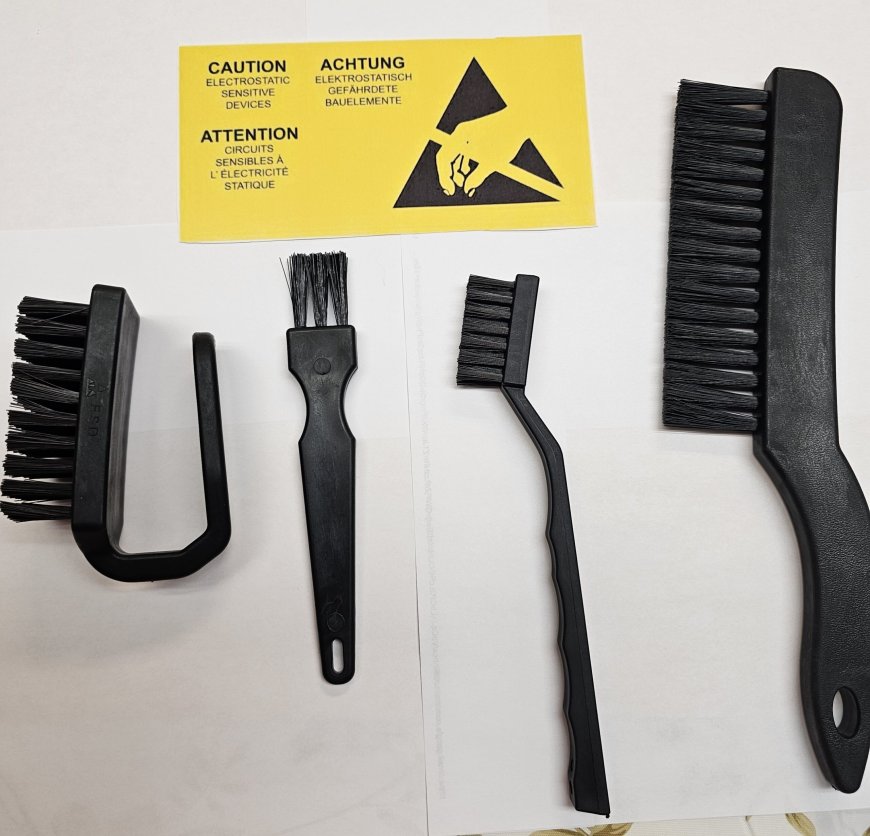
Tiny tools, big impact. That’s the magic of microabrasive tube brushes. These small brushes are designed to clean areas that regular brushes or sanders just can’t reach. From machines in factories to delicate lab equipment, they make cleaning precise and hassle-free. But not all brushes are created equal. Understanding the material, grit, and design behind these tools helps you pick the right brush for each job.
Why Material Matters
The type of material in a microabrasive tube brush determines how it interacts with surfaces. Stainless steel bristles are tough. They remove rust, paint, and stubborn debris quickly. Nylon or plastic bristles are gentler. They’re perfect for sensitive surfaces that could scratch easily. Some brushes even mix abrasive particles into the filaments, giving you both flexibility and cleaning power.
Choosing the right material is key. Soft metals or coated surfaces do better with gentle nylon brushes. Hard metals, rusted tools, or heavy deposits need stiffer or wire-reinforced brushes to get the job done efficiently.
Grit Makes a Difference
Grit is not just a number. It changes how the brush works. Coarse grit strips rust or paint fast but may leave tiny scratches. Fine grit is better for polishing or light cleaning. The trick is to match the grit to the surface and the finish you want.
Some brushes combine multiple grit levels in one unit. This allows you to remove debris and smooth the surface in a single step. Miniature Abrasive Tube Brushes are great examples of how grit choice affects cleaning speed and results.
Design Shapes Efficiency
Brush design matters almost as much as material or grit. Dense bristles remove debris faster. Spiral or twisted brushes fit perfectly inside tubes, cleaning the walls evenly. Special designs, like a tube brush for closed-end holes, reach blind spots safely without harming the edges.
Efficiency also comes from how the brush is used. Many industries fit microabrasive brushes into machines to clean consistently at high speed. The right brush, combined with proper use, saves time and protects the part from damage.
Real-World Uses
Microabrasive tube brushes are everywhere. Auto and aerospace shops use them to clean small engine passages and fuel lines. Medical labs and hospitals rely on miniature brushes to maintain sterility in tiny tubes and tools. Electronics and jewelry makers use them for precise, delicate cleaning jobs. From tiny metal tubes to fragile instruments, these brushes clean efficiently while staying gentle where needed.
Choosing the Right Brush
-
Match Material to Surface: Use stainless steel for tough rust or debris, and nylon for delicate surfaces.
-
Select the Right Grit: Coarse grit removes stubborn deposits, while fine grit smooths and polishes.
-
Consider Size and Shape: Pick brushes that fit tight or hard-to-reach areas for effective cleaning.
-
Check Specifications: Review product details to ensure the brush meets your project needs.
-
Ask for Guidance: Consulting a supplier or expert helps you pick the right brush and avoid mistakes.
-
Think Long-Term: The right brush lasts longer and delivers consistent results every time.
The Final Take
Small but mighty, microabrasive tube brushes make tough cleaning jobs easy. Knowing the right material, grit, and design helps you get the job done faster, safer, and cleaner. From factory equipment to delicate lab tools, these brushes provide precision where it matters. Using quality brushes from trusted suppliers ensures reliable performance and long-lasting results. With the right choice, even the tiniest spaces can shine like new.