


























The Role of a Hydraulic Designer in Construction Projects
A hydraulic designer is a specialist who designs systems related to the movement, distribution, and management of water and other fluids in construction projects.
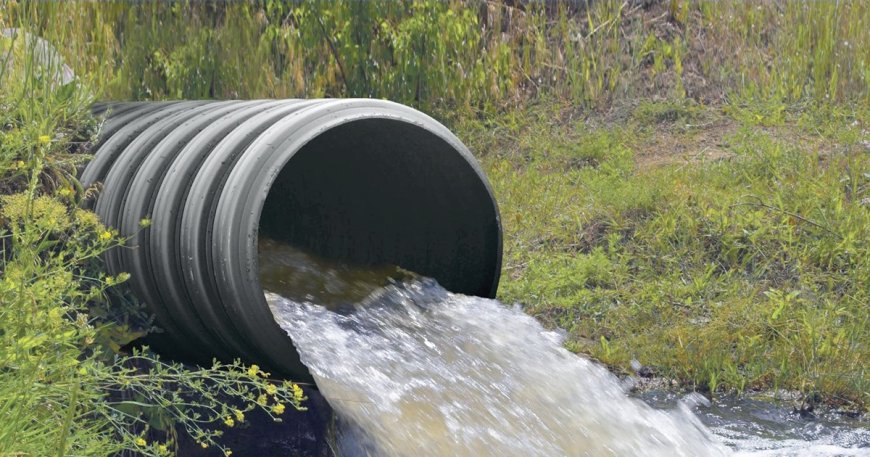
In the modern world of infrastructure and urban development, water management plays a crucial role in the success, sustainability, and safety of construction projects. Behind every efficient plumbing network, stormwater system, and wastewater solution lies the expertise of a hydraulic designer. These professionals are responsible for designing, planning, and coordinating hydraulic systems that ensure proper water flow, drainage, and waste management within buildings and infrastructure. Their role extends far beyond just pipes and pumps — they contribute to the overall functionality, safety, and sustainability of any project.
What Is a Hydraulic Designer?
A hydraulic designer is a specialist who designs systems related to the movement, distribution, and management of water and other fluids in construction projects. They work closely with architects, civil engineers, and hydraulic consultants to create efficient and compliant hydraulic designs for various types of developments — including residential, commercial, industrial, and civil projects.
Their primary goal is to ensure that all water-related systems, such as plumbing, stormwater, sewer, and fire services, are designed to function efficiently and meet regulatory standards. They also consider environmental impacts, cost-efficiency, and sustainability in their designs.
Key Responsibilities of a Hydraulic Designer
The role of a hydraulic designer is multi-faceted and involves technical knowledge, creative problem-solving, and close collaboration with other professionals. Below are some of the major responsibilities they handle throughout a project:
1. Designing Water Supply Systems
Hydraulic designers plan and design water supply systems that provide clean, pressurized water to all parts of a building or infrastructure. They calculate flow rates, pipe sizes, pressure levels, and valve placements to ensure consistent and safe water delivery.
2. Planning Drainage and Sewer Systems
Effective drainage is essential to prevent flooding, water damage, and contamination. Hydraulic designers create detailed layouts for wastewater and stormwater drainage systems, ensuring proper slope, flow, and connection to municipal sewer networks. Their work prevents blockages and helps maintain hygienic living conditions.
3. Fire Protection and Safety Systems
Many hydraulic designers are also involved in designing fire protection systems such as sprinkler networks, fire hydrants, and hose reels. These systems are vital for building safety and must comply with strict national and local fire regulations.
4. Stormwater Management
One of the most critical aspects of hydraulic design is stormwater management. Designers develop solutions to capture, store, and release stormwater in a controlled manner, reducing flood risks and protecting nearby properties and ecosystems. They also incorporate sustainable drainage systems to improve water conservation.
5. Coordination with Architects and Engineers
Hydraulic designers work hand-in-hand with architects, civil engineers, and structural designers. They ensure that hydraulic systems integrate seamlessly into the building layout without interfering with structural components or aesthetics. Regular collaboration helps avoid design conflicts and costly rework.
6. Compliance with Regulations and Standards
Every hydraulic system must meet local building codes, environmental laws, and Australian Standards (or respective regional standards). Hydraulic designers stay updated with current legislation and ensure that all systems are safe, compliant, and efficient.
7. Sustainable Water Solutions
Modern hydraulic designers play a major role in promoting sustainability. They integrate water-saving technologies like rainwater harvesting, greywater recycling, and efficient irrigation systems. These innovations not only reduce water consumption but also lower operational costs and environmental impact.
The Importance of a Hydraulic Designer in Construction Projects
A well-designed hydraulic system is one of the foundations of a successful construction project. Without proper hydraulic design, even the most visually appealing structures can face serious functional issues, such as leaks, flooding, or insufficient water pressure. Here’s why hydraulic designers are indispensable in the construction industry:
1. Ensuring Functionality and Efficiency
Hydraulic designers make sure that every tap, drain, and sprinkler in a building performs exactly as it should. They calculate precise flow rates and pressure requirements to guarantee efficient water delivery and waste disposal systems.
2. Preventing Costly Issues
Poor hydraulic design can lead to water leaks, pressure loss, or system failures — all of which can result in expensive repairs and project delays. By engaging a skilled hydraulic designer early in the project, builders can prevent such costly problems and ensure long-term system reliability.
3. Enhancing Safety
Fire protection, flood prevention, and proper sewage disposal are critical safety measures in any building. Hydraulic designers are responsible for ensuring these systems meet the highest safety standards to protect both property and lives.
4. Supporting Sustainability Goals
With growing emphasis on eco-friendly construction, hydraulic designers play a pivotal role in developing water-efficient and environmentally responsible solutions. Their expertise helps reduce water wastage and contributes to green building certifications such as NABERS or Green Star.
5. Streamlining Project Coordination
By working closely with other design disciplines, hydraulic designers ensure that all water-related systems align perfectly with architectural and structural plans. This collaboration minimizes design conflicts, saving time and resources during construction.
Skills and Tools Hydraulic Designers Use
To perform their work effectively, hydraulic designers must have a combination of technical skills and practical experience. They use specialized software tools like AutoCAD, Revit, and HydraCAD to create detailed 2D and 3D hydraulic drawings. These digital models allow for accurate visualization, simulation, and coordination with other building services.
Essential skills include:
- Strong understanding of fluid mechanics and building hydraulics
- Knowledge of plumbing and drainage systems
- Familiarity with building codes and standards
- Proficiency in design software and modeling tools
- Excellent communication and collaboration abilities
These competencies enable hydraulic designers to turn complex engineering requirements into efficient, real-world solutions.
The Future of Hydraulic Design in Construction
As technology and sustainability continue to evolve, the role of hydraulic designers is becoming even more critical. The demand for smarter, more efficient water management systems is increasing across all sectors — from residential housing to large-scale commercial developments.
Emerging technologies such as Building Information Modelling (BIM), IoT-based water monitoring, and AI-assisted design optimization are revolutionizing how hydraulic designers work. These advancements allow for more accurate system planning, real-time performance analysis, and better resource management.
Moreover, climate change and urbanization are pushing hydraulic designers to innovate further. They are now focusing on designing systems that can withstand extreme weather conditions, conserve water, and promote resilience in cities.
Conclusion
A hydraulic designer is an essential part of any construction project team. Their expertise ensures that every system involving water — from supply to disposal — functions safely, efficiently, and sustainably. By combining technical knowledge, creativity, and compliance awareness, hydraulic designers help shape buildings and infrastructure that stand the test of time.
In an era where sustainability and efficiency are paramount, the contribution of hydraulic designers cannot be overstated. They don’t just design systems; they create the flow that keeps modern life moving smoothly.


