The Importance of Regular Follow-Ups with a Wound Care Specialist
In this blog, we’ll explore why regular follow-ups are crucial, what happens during these visits, and how a wound care specialist ensures lasting recovery.

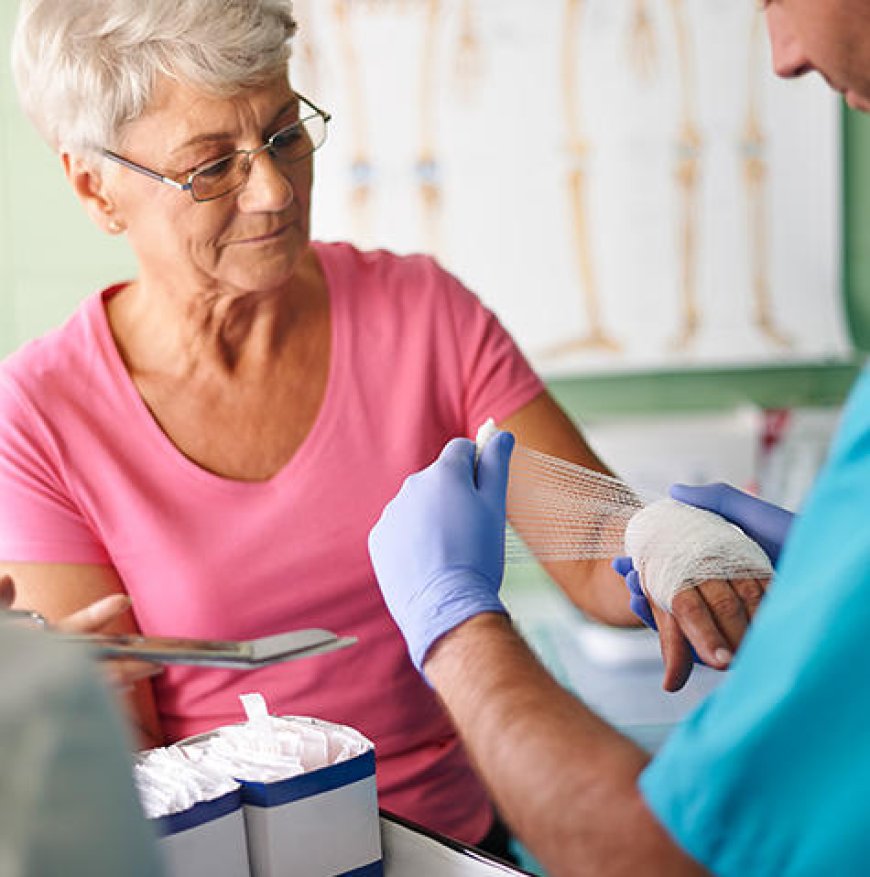
Healing a wound is rarely a one-time event. Even after the initial treatment, monitoring progress, preventing complications, and adjusting care are essential steps toward complete recovery. This is where regular follow-ups with a wound care specialist play a vital role. Many patients mistakenly believe that once a wound looks better, ongoing care isnt necessary. In reality, consistent check-ins can mean the difference between a wound that heals properly and one that becomes chronic or infected.
Why Regular Follow-Ups Matter in Wound Healing
Wounds heal in stages, and healing doesnt always follow a straight path. A wound care specialist closely monitors progress to identify early signs of problems such as:
-
Slow or stalled healing
-
Infection or drainage changes
-
Poor blood flow to the wound
-
Recurrence of old wounds
Follow-up visits allow specialists to make timely adjustments to dressings, medications, or lifestyle recommendations. Skipping these visits can put patients at risk of serious complications.
The Role of a Wound Care Specialist in Long-Term Healing
Unlike general practitioners, a wound care specialist has advanced training in identifying subtle changes in wound conditions. They understand how chronic conditions like diabetes, vascular disease, or poor nutrition affect healing.
During regular follow-ups, they:
-
Examine the wound for signs of infection or poor tissue growth
-
Measure wound size and depth to track healing progress
-
Update treatment plans based on healing response
-
Educate patients on self-care, bandage changes, and preventive measures
This consistent attention ensures wounds heal safely and reduces the likelihood of reoccurrence.
How Often Should You Visit a Wound Care Specialist?
The frequency of visits depends on the wound type and severity. For example:
-
Chronic wounds (like diabetic ulcers): Weekly or bi-weekly visits may be needed.
-
Surgical wounds: Follow-ups are often scheduled within the first few days and then weekly.
-
Minor wounds: A few check-ins may be sufficient if healing progresses well.
A wound care specialist tailors the schedule to each patients unique needs.
Common Procedures During Follow-Up Visits
Patients often wonder what happens during regular check-ups. Typical procedures include:
-
Debridement: Removing dead tissue to promote healing.
-
Wound culture tests: Checking for bacteria or infection.
-
Dressing changes: Applying the latest advanced dressings to support healing.
-
Circulation checks: Ensuring proper blood flow to the wound.
-
Nutritional advice: Assessing whether diet supports recovery.
Each follow-up visit builds on the last, ensuring treatment remains effective.
The Risks of Skipping Follow-Ups
Ignoring scheduled appointments with a wound care specialist can have serious consequences:
-
Infections may spread and lead to hospitalization.
-
Chronic wounds may worsen, becoming harder to treat.
-
Amputation risks increase for patients with diabetic foot ulcers.
-
Healing time lengthens, causing prolonged discomfort and reduced quality of life.
Consistent visits help catch these issues early, often before they become severe.
Preventing Wound Recurrence Through Ongoing Care
Even after a wound closes, scar tissue is weaker than uninjured skin. A wound care specialist monitors patients to reduce the chance of wounds reopening. They may recommend:
-
Protective footwear or padding for foot ulcers
-
Compression therapy for venous leg ulcers
-
Lifestyle changes such as diet improvements, smoking cessation, or better blood sugar control
-
Skin care routines to keep the area healthy
This preventive approach helps patients avoid future complications.
Patient Education During Follow-Ups
Follow-ups arent just about medical care; theyre also about education. A wound care specialist teaches patients and caregivers how to:
-
Change dressings safely at home
-
Recognize early warning signs of infection
-
Keep wounds clean and protected
-
Make lifestyle changes that support healing
By empowering patients with knowledge, specialists help them take an active role in their recovery.
The Emotional Benefits of Regular Check-Ins
Wounds dont just affect the bodythey also impact mental and emotional health. Many patients experience stress, frustration, or even depression due to slow healing. Regular visits with a wound care specialist provide reassurance, emotional support, and encouragement. Patients feel confident knowing that someone is closely monitoring their progress.
FAQs About Regular Follow-Ups with a Wound Care Specialist
Q1: How long will I need regular follow-ups for a wound?
It depends on the wounds severity and healing speed. Some patients need a few weeks, while others may require months of ongoing visits.
Q2: Do all wounds require follow-ups with a specialist?
Not always. Minor cuts and scrapes typically dont, but chronic, infected, or surgical wounds benefit greatly from specialist care.
Q3: Can I just change dressings at home instead of seeing a specialist?
While at-home care is important, follow-ups allow a wound care specialist to detect hidden problems that arent always visible to patients.
Q4: What if I miss a follow-up appointment?
If you miss one, reschedule as soon as possible. Skipping multiple visits may delay healing and increase complications.
Q5: Are follow-ups covered by insurance?
Most insurance plans cover wound care follow-ups, especially for chronic or serious wounds.
Final Thoughts
Healing doesnt end when a wound starts to close. Regular follow-ups with a wound care specialist are essential for monitoring progress, preventing setbacks, and ensuring long-term recovery. By staying committed to these appointments, patients gain peace of mind and better healing outcomes.
If you or a loved one has a wound that requires ongoing attention, dont underestimate the power of consistent care. Follow-ups are not just medical check-insthey are key to lasting healing and improved quality of life.