South Africa–China Trade Ties Strengthened at Ninth Fair
The ninth South Africa–China Trade Fair has once again underscored the growing strength of the economic relationship between the two nations.
Introduction
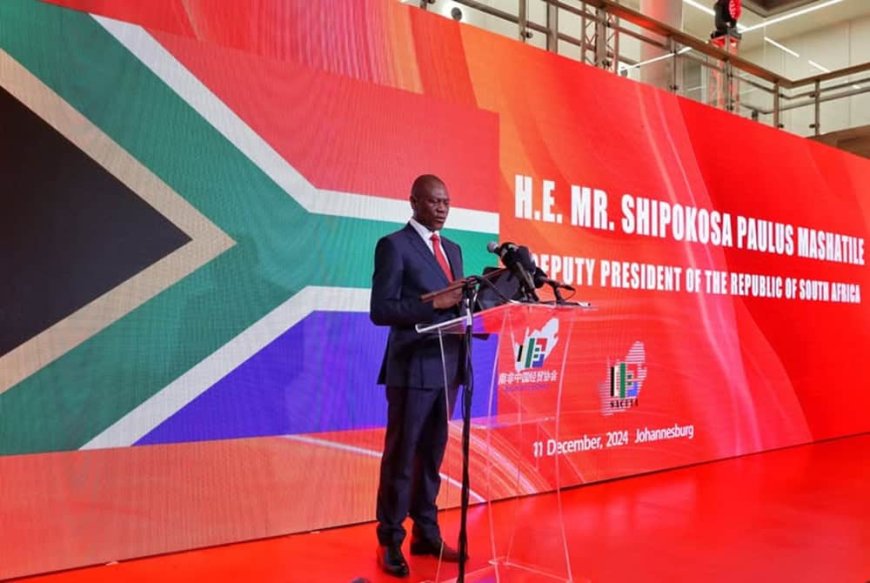
The ninth South Africa–China Trade Fair has once again underscored the growing strength of the economic relationship between the two nations. The event, held in 2025, brought together thousands of business leaders, investors, policymakers, and entrepreneurs from both countries to explore opportunities for collaboration, trade expansion, and investment. Over the past decade, this fair has become a vital platform for fostering bilateral relations, driving innovation, and promoting sustainable growth.
As global trade continues to shift toward partnerships built on mutual development and technology exchange, the South Africa–China relationship stands as a model of cooperation between the emerging economies of the Global South.
A Decade of Growing Economic Partnership
China and South Africa have cultivated a robust economic relationship since the early 2000s, marked by mutual trust and shared objectives. Over the years, China has become South Africa’s largest trading partner, while South Africa remains China’s leading partner in Africa.
The trade volume between the two nations has consistently exceeded $60 billion annually, encompassing sectors such as mining, manufacturing, energy, and agriculture. The ninth edition of the South Africa–China Trade Fair reflects this enduring partnership and the desire to expand cooperation beyond traditional sectors into emerging fields like green energy, digital transformation, and smart manufacturing.
Highlights of the Ninth Trade Fair
The ninth South Africa–China Trade Fair served as a vibrant showcase of innovation and collaboration. The event featured hundreds of exhibitors representing industries from both nations, with a strong emphasis on sustainability, technology, and industrial development.
Expansion of Bilateral Trade Agreements
One of the fair’s most significant achievements was the signing of several new trade and investment agreements. These initiatives included efforts to increase South African exports of agricultural goods, wine, and manufactured products to China, while facilitating Chinese investment in South African infrastructure, logistics, and renewable energy.
Focus on Industrialization and Job Creation
A major theme of the event was industrial development in South Africa. Chinese enterprises expressed strong interest in supporting South Africa’s industrialization goals by establishing manufacturing hubs, sharing advanced technologies, and providing training programs for local workers. These collaborations are expected to contribute to job creation and skills development in critical sectors.
Promoting Renewable Energy Cooperation
In alignment with global sustainability goals, both nations showcased their commitment to renewable energy solutions. Solar, wind, and green technology exhibitors displayed innovations designed to help reduce carbon emissions and enhance energy efficiency. This shared focus positions the South Africa–China partnership as a key player in the global shift toward sustainable growth.
Strengthening Digital and Technological Exchange
Digitalization was another highlight, with technology companies from both sides demonstrating advancements in artificial intelligence, e-commerce, fintech, and telecommunications. The fair emphasized the importance of digital transformation in driving future economic growth, with both countries pledging to support cross-border innovation and knowledge exchange.
Supporting Small and Medium Enterprises
A special feature of the ninth trade fair was its emphasis on small and medium enterprises (SMEs). Recognizing the vital role SMEs play in job creation and innovation, the event offered targeted workshops and networking sessions to help smaller businesses access financing, market insights, and international partnerships.
By enabling SMEs from both countries to connect directly, the fair helped bridge market gaps and promote inclusive economic participation. This initiative aligns with South Africa’s efforts to empower local entrepreneurs and China’s strategy of globalizing its private sector enterprises.
Cultural and People-to-People Exchanges
Beyond commerce, the ninth South Africa–China Trade Fair also celebrated cultural exchange and mutual understanding. The event featured a Cultural Pavilion, where traditional South African and Chinese performances, art exhibitions, and culinary showcases highlighted the rich diversity of both nations.
Educational institutions participated in discussions on academic cooperation, student exchange programs, and language learning initiatives aimed at fostering long-term people-to-people connections. Such cultural diplomacy helps build stronger relationships that go beyond economic interests.
Economic Impact and Future Outlook
The outcomes of the ninth trade fair are expected to have lasting economic and developmental impacts.
Boosting Exports and Market Access
South African exporters gained new access to the Chinese consumer market—one of the largest in the world. This expanded access particularly benefits agricultural producers, manufacturers, and service providers seeking growth beyond Africa’s borders.
Encouraging Investment and Infrastructure Development
Chinese companies reaffirmed their commitment to investing in South African infrastructure, including transportation, energy, and logistics networks. These investments are expected to enhance connectivity within Africa, supporting regional trade and integration.
Driving Sustainable Development
Sustainability emerged as a central pillar of this year’s fair. Both countries reiterated their commitment to green growth, circular economy principles, and climate-friendly innovation. By combining China’s technological expertise with South Africa’s resource potential, the partnership aims to create resilient and eco-friendly economic models.
Strategic Importance for Africa-China Relations
The ninth South Africa–China Trade Fair also holds broader significance for Africa-China relations. As a key member of the BRICS bloc, South Africa serves as a gateway for Chinese investment across the continent. The fair’s success reinforces China’s ongoing engagement with Africa under the Forum on China–Africa Cooperation (FOCAC) framework.
Through trade fairs like this one, China continues to demonstrate its commitment to supporting Africa’s industrialization and infrastructure development. Meanwhile, African nations, led by South Africa, are leveraging these partnerships to strengthen domestic industries and create sustainable growth pathways.
Voices from the Fair
Business leaders and government officials from both nations praised the event as a milestone in bilateral cooperation. Representatives highlighted the mutual benefits of the partnership—China gains access to new markets and resources, while South Africa benefits from investment, technology, and skills transfer.
Speakers emphasized the importance of “win-win cooperation”, a principle that has guided the South Africa–China relationship for years. The fair’s collaborative atmosphere showcased how two nations, despite geographical and cultural differences, can align their goals for shared prosperity.
Conclusion
The ninth South Africa–China Trade Fair has reaffirmed the strength, resilience, and potential of the partnership between these two nations. What began as a simple trade exhibition years ago has evolved into a powerful symbol of economic cooperation, innovation, and cultural exchange.
As South Africa and China continue to strengthen their economic ties, their partnership is expected to serve as a blueprint for sustainable development and mutual growth across the Global South. The outcomes of the ninth fair highlight a future where trade, technology, and trust come together to build a more connected and prosperous world.