


























Skip the Lines, Keep It Fresh: The Magic of Pickup Lockers

We've all been there. You order dinner online, plan it to the minute for your lunch break, and when you get to the restaurant… There it is. A line that winds its way towards the door like a recalcitrant python. People are tapping their feet, phones in fingers, all hoping for the same thing: food.
Your order's been out for ten minutes when you reach the counter. Fries? Cold. Coffee? Lukewarm. Mood? Spoiled.
It's 2025. Why are we still living like this?
The Problem Isn't the Food—It's the Food Pickup Locker
Restaurants are faster than ever when making your order. Delivery drivers are faster than ever at getting to you. But pickup? That's the bottleneck. Whether you're grabbing takeout or having it delivered to an office or apartment, the "handoff" point has been stuck for the last decade.
And really, the entire process is absurd. Your food—freshly made, carefully packed—is left sitting on a crowded countertop or stuffed into a paper bag, gradually sagging into a mountain of other paper bags. Anyone can take it. Everyone is fogging it. The freshness clock is loudly ticking away.
Enter the Food Pickup Locker
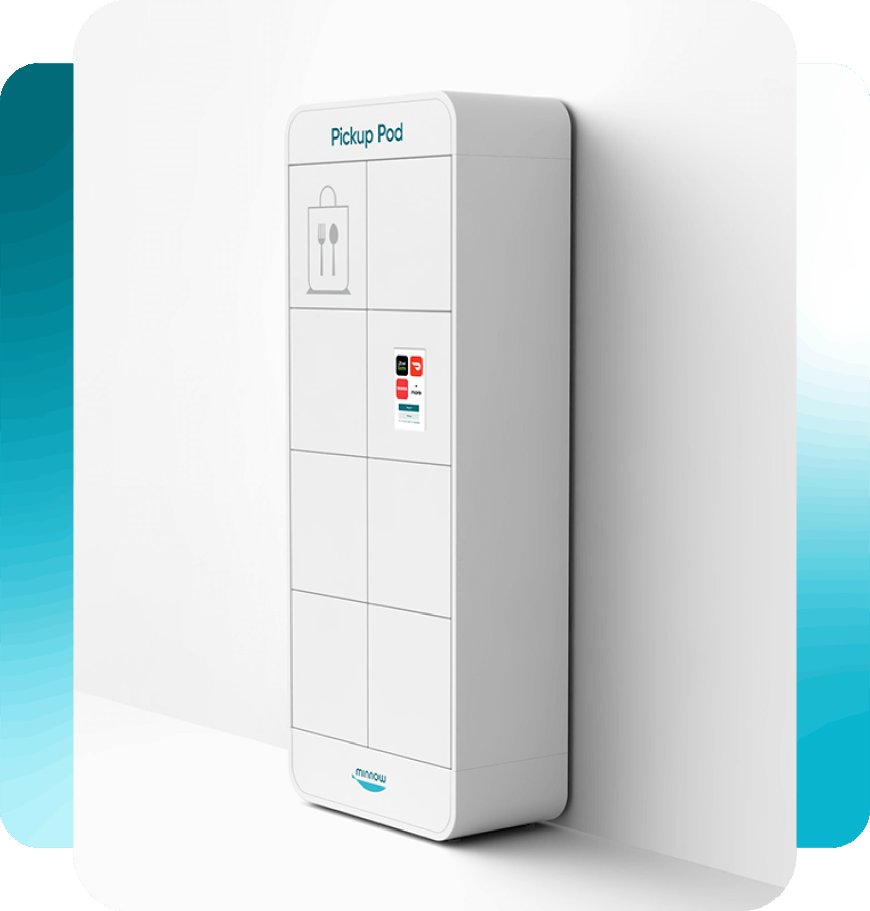
Now, picture walking past that line. Not bluntly cutting in, but elegantly skating around it, like you've entered a secret level in a video game. You go to a shiny, contemporary locker wall. The screen displays your name. You press a code or scan a QR. The door swings open. In it is your order—still warm, crisp, and secure.
No waiting. No awkward "Is this mine?" second. No cold fries.
This is the magic of the food pickup lockers.
Why It Works So Well
Pickup lockers don't simply "hold" food—they safeguard it. They provide a controlled, protected space between you and the kitchen. In insulated models, your soup remains hot, your smoothie remains cold, and your fries aren't cardboard-tasting when you eat them.
They also render the pickup process nearly frictionless. You don't have to speak with anyone (unless you prefer to). You don't have to double-check whether that's actually your order. You don't have to wait for someone to finish scanning the person in front of you.
For restaurants, it's just as magical. Employees don't need to juggle a busy pickup counter. Orders go into the locker when ready—freeing up the kitchen to ring up the next ticket. Fewer errors, fewer delays, and happier diners.
Beyond Restaurants: Offices, Campuses, Apartments
Pickup lockers aren't limited to restaurants. Imagine your office, a locker bank in the lobby. You order lunch from the café down the street. It gets delivered, put in the locker, and sits there waiting for you until you have time to eat. No ringing phones from delivery drivers. No soggy sandwiches on the reception desk.
Or perhaps your apartment complex has welcomed them in. You arrive home late at night. Your food awaits you, secured, fresh, untouched by roving hands.
College campuses, hospitals, and airports all wake up to the notion. Wherever individuals pick up food, lockers are logical.
The Emotional Benefit of Convenience
Yes, food pickup lockers conserve time. But the larger victory is psychological space.
Consider how much energy we squander on "micro-stresses." Will my meal still be there? Will it be warm anymore? Will I have to stand in line? Will they even locate my order? These little worries erode the pleasure of enjoying a meal you have anticipated.
Pick up lockers, shed that worry. You know where your food is going to be. You know it will be safe. You know you can pick it up as soon as you want to. That security is habit-forming—in a good sense.
Deconstructing the "Magic"
It's not really magic, naturally. It's an intelligent, utilitarian design. Here's how it works:
- Secure access: You (or the person you entrust your code to) alone can open your compartment.
- Insulation: Hot remains hot. Cold remains cold.
- Easy process: Drivers or employees can load orders in seconds. You can pick yours up in seconds, too.
- Compatibility: Compatible with any restaurant or delivery service without additional hoops.
- Space efficiency: No dirty counters, no crowded lobbies.
The outcome? An effortless process.
But Won't This Replace Human Interaction?
Not in the least. Pickup lockers don't prevent you from talking to your barista or greeting the restaurant employees. They simply ensure that you're not compelled into interaction if you only want to pick up your meal and be on your way.
Think of them like a food ATM. You can still go in and speak with the teller if you'd like—but the machine is there for you when you don't.
Looking Ahead
As more become accustomed to this, waiting in a pickup line will seem as archaic as renting videos from a storefront. Not that it won't be done—it's just that most of us will opt for the faster, smoother alternative.
Restaurants will adapt because it makes them faster and more efficient. Offices will adopt them because it makes employees happier (and more productive). Residential buildings will add them because they are modern amenities that tenants notice.
And for us, the people who just want our food fresh, safe, and exactly when we're ready for it—it's a small but powerful upgrade to daily life.
The Bottom Line
Cutting in line isn't about being impatient. It's about optimizing your time, cutting back on unnecessary frustration, and enjoying your food the way you enjoyed it before. Pickup lockers enable that.
They turn a daily frustration into an instant of convenience. You step up, grab your food, and leave—no hassle, uncertainty, or cold fries.
It's not magic in the "pull-a-rabbit-from-a-hat" sense. But in a world where we're all balancing a million tiny stresses, the feeling of walking past that line, opening your locker, and finding your meal perfectly ready?
Yeah… that's pretty magical. You can get that with Minnow.


