Septic Tank Inspection: What Florida Homeowners and Buyers Need to Know
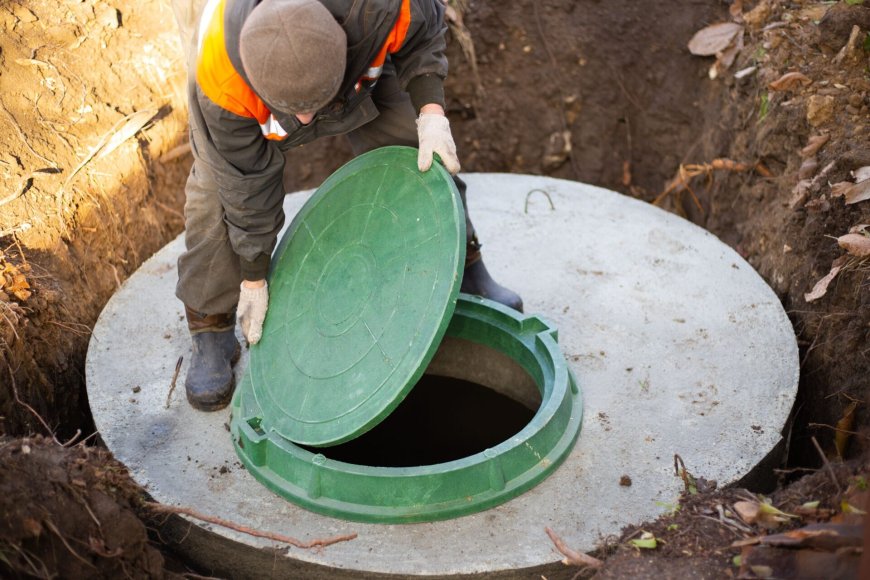
In many areas of Florida, particularly rural or suburban neighborhoods, homes rely on private septic systems rather than public sewer connections. While efficient and cost-effective, these systems need regular attentionand thats where a septic tank inspection becomes essential.
Whether you're buying a property, selling a home, or simply maintaining your current one, understanding how a septic system works and how to properly inspect it can save you from expensive repairs and potential health risks.
In this guide, well break down how septic systems operate, what to expect during a septic tank inspection, the different levels of inspection, and why every homeowner or buyer should consider it a priority.
What Is a Septic System?
A septic system is a private sewage treatment setup located on a property. It consists of a sanitary pipe, a septic tank, and a leach field (also known as a drain field). Heres a quick overview of how it works:
-
Wastewater from your home flows into the septic tank.
-
Solids settle at the bottom to form sludge, while oils and grease float to the top, forming a scum layer.
-
The middle layereffluent, a relatively clear liquidflows into the leach field.
-
In the leach field, the effluent seeps into the soil, where it's naturally filtered by rocks, sand, and bacteria.
A properly functioning septic system safely processes waste, but any breakdown in the process can lead to contamination, foul odors, or even structural damage to your property.
What Is a Septic Tank Inspection?
A septic tank inspection is a professional evaluation of your septic system to ensure its working efficiently and safely. Unlike general home inspections, septic inspections are more specialized and focus entirely on the health and functionality of the system.
Because replacing or repairing a septic system can cost thousands of dollars, a dedicated inspection is the only way to truly protect your investmentespecially if you're buying a home.
Why You Need a Septic Tank Inspection
1. Prevent Health Hazards
Septic system failures can lead to groundwater contamination, foul odors, or backups into the homeall of which pose serious health concerns.
2. Avoid Expensive Repairs
Catching a small issue early through inspection can prevent a much larger and more expensive problem down the line.
3. Negotiate During a Home Purchase
If you're buying a home, uncovering septic issues during the inspection gives you leverage to negotiate repairs or a price reduction.
4. Stay Compliant and Informed
Some counties in Florida may require septic inspections for permit renewals or property transfers. Regular inspections also keep homeowners informed about their systems status.
What Happens During a Septic Tank Inspection?
A thorough septic tank inspection includes multiple stages, typically starting with a pre-inspection review. The inspector may request:
-
Septic system pumping records
-
Previous inspection reports
-
Repair or maintenance history
-
Septic system layout or map
-
Location of tank and leach field
If no records are available, thats a red flagit may mean the system hasnt been maintained properly.
Next, the Inspection Process Includes:
? Flow Test
This test ensures water is properly entering the septic tank from the house. Insufficient flow may signal a plumbing blockage or pipe issue.
? Tank Evaluation
The inspector checks the tanks contentssludge, scum, and effluentto confirm the right balance. Roughly 40% should be effluent. Any imbalance may indicate a blockage or leach field failure.
? Leach Field Inspection
The leach field is visually inspected for wet spots or odors, both of which may signal system overflow or failure. The inspector may also probe the area for signs of hydraulic stress.
? Final Report
The technician compiles a detailed report outlining the findings, any concerns, and recommended next steps.
Types (Levels) of Septic Tank Inspections
Not every inspection is the same. Depending on your needswhether you're a buyer or long-time homeowneryou can choose from different levels of septic tank inspection:
? Level 0 Basic Visual & Dye Test
This entry-level inspection includes a visual check and a dye or water loading test to reveal obvious leaks or overflow. Its simple but useful for regular maintenance checks.
? Level 1 Intermediate Inspection
Includes everything in Level 0 plus opening the tanks access lid to examine internal parts like pipes and effluent filters.
? Level 2 Detailed Tank Analysis
At this level, inspectors measure the thickness of the tank layers (sludge, scum, and effluent) and assess the distribution box for signs of malfunction or leakage.
? Level 3 Comprehensive Inspection
The most thorough inspection, ideal for buyers or homeowners concerned about system health. Every part of the systemfrom sanitary lines to the leach fieldis evaluated in detail. Recommended every 35 years.
When Should You Get a Septic Tank Inspection?
-
Before buying or selling a home with a septic system
-
Every 35 years as part of routine maintenance
-
If you notice slow drains, foul odors, wet spots, or backup issues
-
If your septic tank hasn't been pumped in several years
Dont Take Risks with Your Septic System
Septic system failures can be costly and dangerousbut theyre also largely preventable. Whether you're maintaining your current property or preparing to purchase a new one, a septic tank inspection is one of the smartest decisions you can make.
Need a Septic Tank Inspection in Florida?
Looking for a trusted, professional septic tank inspection in Central or South Florida? Turn to Guardian Angel Inspectionsyour local experts in home and septic evaluations.
We deliver clear, comprehensive reports, excellent customer service, and peace of mind. Dont wait until its too lateschedule your septic tank inspection today and ensure your system is safe and functional.