


























Innovative Wastewater Dewatering Solutions with Geotextile Tubes for Environmental Efficiency

As global environmental standards become more stringent, industries are under increasing pressure to manage waste in a sustainable and cost-effective manner. One of the most challenging aspects of waste management is handling sludge produced from various processes. In response, cutting-edge wastewater dewatering technologies are revolutionizing how sludge is treated, and geotextile dewatering tubes are leading the charge in this transformation.
Industries such as mining, agriculture, construction, and municipal wastewater treatment produce significant volumes of sludge. This sludge is not only high in moisture content but also often contains contaminants that must be isolated before disposal. Traditional methods like belt presses, centrifuges, and drying beds are energy-intensive, expensive, and can be environmentally intrusive.
This is where innovative dewatering methods come into play—offering scalable, sustainable, and cost-effective alternatives.
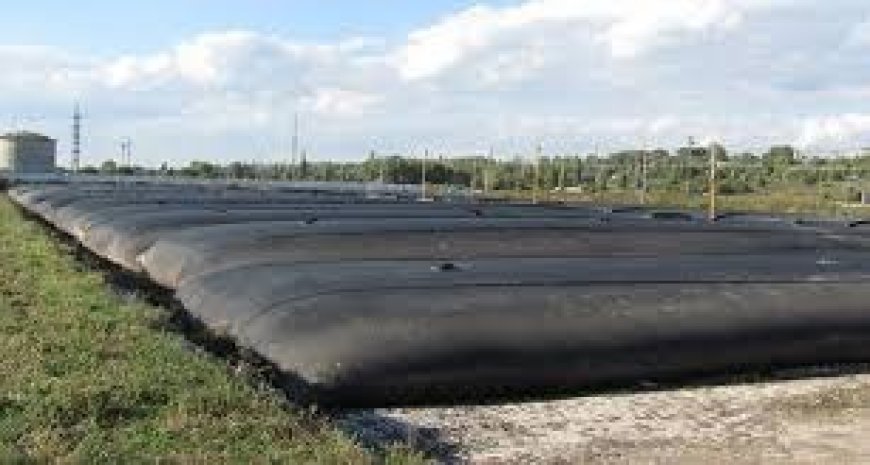
Dewatering tubes made of geotextile have emerged as a highly effective solution for handling large volumes of sludge. These tubes are made from high-strength woven fabrics engineered to retain solids while allowing water to escape. The process involves pumping the sludge directly into the tubes, where polymers are added to facilitate the separation of solids and liquids. Over time, the clear water is drained from the tube, and the remaining solids compact for easy disposal or reuse.
This method significantly reduces the volume of waste, lowers transportation costs, and minimizes the environmental footprint of sludge disposal operations.
Geotextile dewatering systems can be scaled according to the volume of sludge being treated. This adaptability makes them suitable for both small projects and large industrial operations. Additionally, the reduced need for heavy machinery results in lower operational costs.
These tubes are used in a wide variety of sectors, including municipal wastewater treatment, mining, agriculture, paper manufacturing, and coastal or marine dredging. Their flexibility allows them to be implemented in both permanent installations and temporary, mobile setups.
As regulations around waste discharge and land use tighten, businesses need solutions that align with environmental standards. Geotextile tubes help achieve compliance by containing contaminants, minimizing runoff, and producing cleaner effluent.
5. Minimal Site Disruption
Installation and operation of geotextile dewatering tubes require little infrastructure or site modification. This makes them ideal for remote or sensitive environments where large equipment and construction activities are impractical.
The shift toward sustainable and efficient waste handling is essential for the future of industrial and municipal operations. By adopting advanced methods like dewatering tubes made of geotextile, industries can significantly reduce their environmental impact while improving operational efficiency.
At Spinpro, clients gain access to proven wastewater dewatering solutions powered by innovative dewatering tubes made of geotextile, delivering reliable, eco-conscious performance tailored to meet the demands of modern waste management.


