


























How to Read Road Work Signs as a Driver: A Quick Refresher
Stay safe on the road with this quick refresher on reading road work signs. Understand symbols and instructions to drive confidently through work zones.

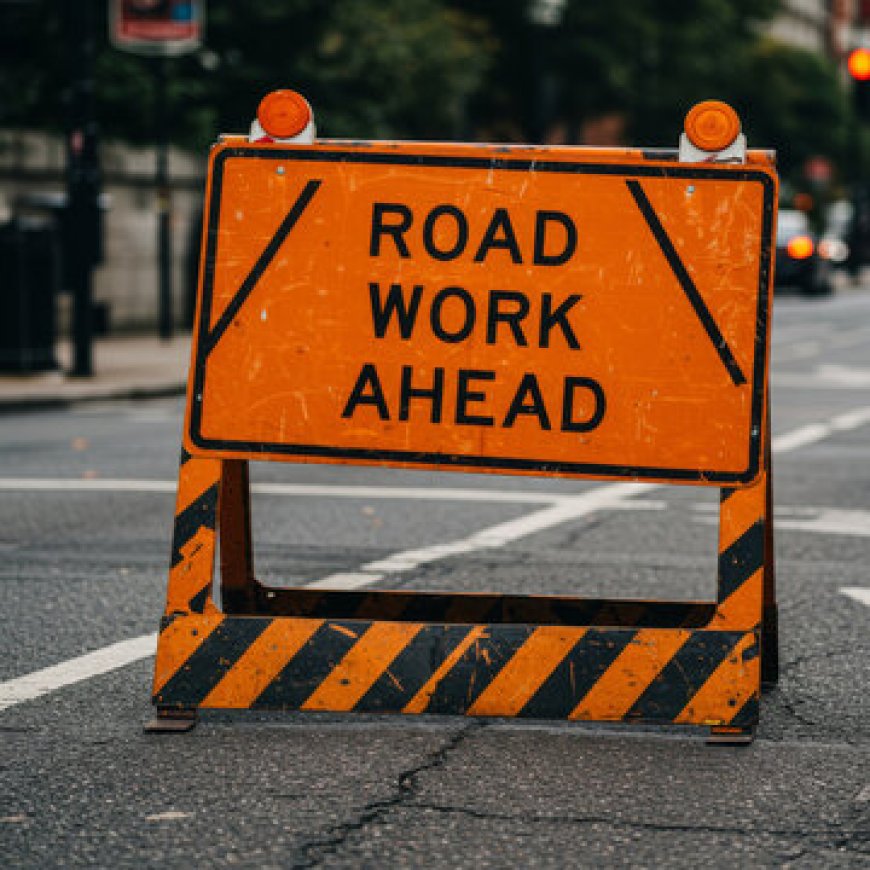
Staying alert on the road means paying attention to more than just traffic and signals. Temporary signs, such as a road work sign, are just as important. These signs inform drivers about construction activity, diversions, and safety precautions. As a driver, understanding them is essential for your safety and that of others. This refresher explains how to read these signs correctly.
Why Road Work Signs Matter
A road work sign gives advance notice of changes on the road. It alerts drivers to reduced speed zones, lane shifts, or hazards ahead. These signs protect both workers and motorists. Ignoring them increases accident risks, delays, and stress. For safety equipment suppliers, providing clear and durable signage ensures smoother traffic movement and reduced confusion.
Common Features of Road Work Signs
To interpret these signs correctly, it helps to focus on their design and visibility. Each element gives drivers quick information about what lies ahead.
-
Shape and colour: Most road work boards are triangular or rectangular with bright colours. Yellow or orange backgrounds are common.
-
Symbols and text: Arrows, workers with shovels, or bold text explain the situation.
-
Placement: Signs are positioned at visible spots before the work zone begins.
By noticing these features, you can adjust your driving speed and direction on time.
Key Instructions to Follow
Once you see these signs, you must act immediately. The instructions are simple but critical for safety.
-
Reduce speed: Work zones often require lower speeds to avoid sudden stops or accidents.
-
Merge safely: Lane closure warnings mean drivers must change lanes smoothly.
-
Stay alert: Workers, machinery, or uneven road surfaces may appear suddenly.
-
Follow detours: Arrows or boards direct you to alternative routes if roads are blocked.
By following these steps, drivers lower risks and help work zones operate smoothly.
How to Build Good Habits
Safe habits ensure that reading signs becomes second nature for drivers. These reminders make your driving safer for you and others.
-
Scan the road regularly to spot signs early.
-
Maintain a safe gap between vehicles.
-
Use mirrors to check for merging traffic.
-
Follow traffic controllers when present.
Consistently practising these actions will keep you and other road users safe around work areas.
Road Work Signs and Road Safety Culture
Temporary signs are only one part of the bigger picture. They connect directly with overall road awareness. Ignoring them can undo years of progress in reducing accidents. Many accidents happen because drivers underestimate the importance of these instructions. By treating every sign seriously, you support safer roads for workers, pedestrians, and fellow drivers.
Importance of Road Safety Signs
Permanent instructions are as important as temporary ones. Every day, boards like speed limits and stop boards guide drivers consistently.
-
Durability: Strong signs withstand weather and remain visible.
-
Clarity: Simple symbols make directions easy to understand at speed.
-
Consistency: Standard designs help drivers react correctly across locations.
Reliable road safety signs build trust and improve traffic discipline. Together with temporary signs, they create a complete safety system. Safety equipment suppliers highlight the need for high-quality signs across all roads.
Conclusion
Knowing how to read and respond to signs in work zones is a skill every driver must maintain. It keeps you alert, prevents accidents, and protects workers. A few seconds of attention to signage can make the difference between a safe drive and a dangerous incident. Staying mindful of temporary instructions and permanent road safety signs will always lead to safer roads.


