


























Fillings or Dental Crowns: Which Restorative Dental Treatment is Ideal For You
Explore the pros and cons of dental fillings vs. crowns. Learn which restorative treatment is best for protecting your teeth and improving oral health.
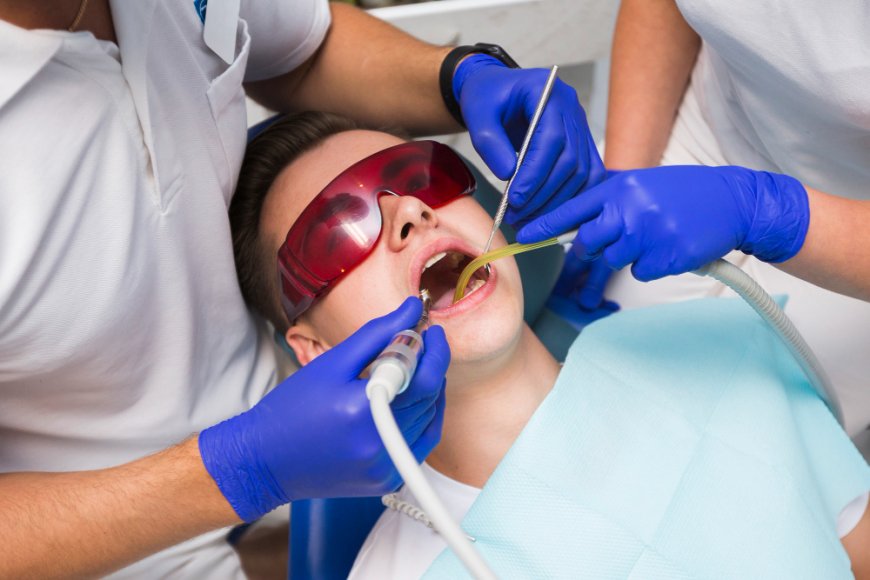
When you have a damaged or decayed tooth, your dentist will likely recommend either a filling or a crown to restore it. Both options can effectively repair your tooth and bring back its function. However, the choice between them depends on several important factors, including the extent of damage, your budget, and your long-term oral health goals. Understanding the differences between these two restorative dental treatments will help you make an informed decision about your dental care.
What Are Dental Fillings?
Dental fillings are used to repair small to moderate cavities or minor tooth damage. The dentist removes the decayed portion of your tooth and fills the space with a restorative material. This process is relatively quick and straightforward.
Common filling materials include composite resin, amalgam, gold, and porcelain. Composite resin is the most popular choice because it matches your natural tooth colour. The procedure typically takes 30 to 60 minutes per tooth.
Fillings are less invasive than crowns because they preserve more of your natural tooth structure. They're also more affordable and can be completed in a single visit to your dentist.
What Are Dental Crowns?
A dental crown is a cap that covers the entire visible portion of your tooth above the gum line. It's designed to restore a severely damaged or weakened tooth to its original shape, size, and strength.
Crowns are typically made from porcelain, ceramic, metal, or a combination of materials. Porcelain crowns are popular because they look most like natural teeth. The process usually requires two visits to complete.
During the first visit, your dentist prepares the tooth by removing damaged areas and shaping it. A temporary crown protects the tooth while your permanent crown is being made. The permanent crown is placed during your second visit.
When Do You Need a Filling?
Fillings are the go-to solution for minor to moderate tooth damage. They work well when the decay or damage affects less than half of your tooth's chewing surface. Small cavities, minor chips, and worn areas are perfect candidates for fillings. You may need a filling if you have:
-
Small to medium-sized cavities that haven't spread extensively
-
Minor chips or cracks in your teeth from daily wear
-
Worn areas on your teeth from grinding or acid erosion
-
Decay that affects less than 50% of your tooth's chewing surface
-
Healthy tooth structure that can adequately support the filling material
If you catch tooth decay early, a filling can prevent the problem from getting worse. Regular dental checkups help identify these issues before they become more serious. The sooner you address decay, the more likely you can avoid needing a crown.
When Do You Need a Dental Crown?
Crowns become necessary when your tooth has extensive damage that a filling can't adequately address. Large cavities, significant cracks, or teeth that have undergone root canal treatment often require crowns for proper protection. You may need a crown if you have:
-
Large cavities that affect more than 50% of your tooth's chewing surface
-
Severe cracks that extend deep into the tooth structure
-
A tooth that has undergone root canal therapy and needs protection
-
Multiple large fillings that have weakened the remaining tooth structure
-
Significant tooth wear from grinding or clenching
-
A broken or fractured tooth that can't be restored with a filling
-
Cosmetic concerns with severely discoloured or misshapen teeth
If more than half of your tooth's chewing surface is damaged, a crown is usually the better choice. Restorative dental treatments like crowns provide superior strength and durability for heavily compromised teeth. They also prevent further damage and potential tooth loss.
Making the Right Decision
The choice between a filling and a crown ultimately depends on your specific situation. Your dentist will evaluate factors like the extent of damage, your bite pattern, and your oral health history. They'll recommend the option that best serves your long-term dental health.
Consider your lifestyle and eating habits when making this decision. If you grind your teeth or chew hard foods regularly, a crown might be more suitable for durability. For minor damage with good oral hygiene habits, a filling could be sufficient. Don't delay treatment once your dentist identifies a problem. Early intervention often means you can choose the less invasive and more affordable option.
Takeaway
Both fillings and crowns serve important roles in maintaining your oral health, but they address different levels of tooth damage. Fillings work best for minor to moderate decay, while crowns are ideal for extensively damaged teeth. The right choice depends on your specific needs, budget, and long-term goals.
Experts at Dentistry At Sullivan can help you understand which option will best restore your tooth's function and appearance. Remember that prompt treatment, regardless of which option you choose, is key to preserving your oral health and preventing more complex problems down the road.


