Exploring the Future of Aerospace Systems Engineering
Discover the future of aerospace systems engineering, its impact on aviation, and how it shapes modern aerospace innovations.

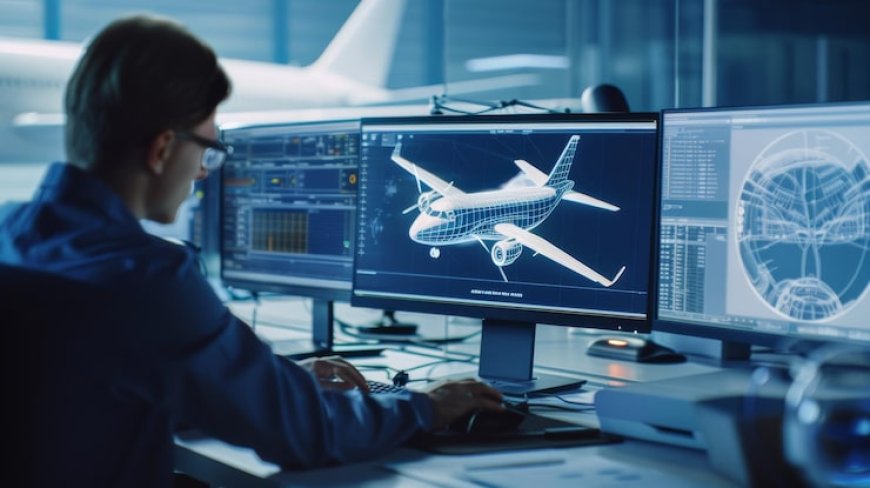
The aviation industry is constantly evolving, driven by innovation, safety demands, and the pursuit of efficiency. At the heart of this transformation lies Aerospace systems engineering, a discipline that ensures complex systems work seamlessly together to achieve reliable performance. From aircraft design and avionics integration to advanced communication and safety mechanisms, this field plays a crucial role in shaping the future of aerospace. In this article, we will explore how aerospace systems engineering impacts modern aviation, the importance of integration, and the growing role of engineers in driving advancements in aerospace technology.
What is Aerospace Systems Engineering?
Aerospace systems engineering is the application of systems thinking to the design, development, and integration of aerospace technologies. Unlike traditional engineering, which focuses on individual components, this discipline emphasizes the interactions between systems—such as propulsion, avionics, control systems, and communication networks. By ensuring that all subsystems function cohesively, aerospace systems engineers make aircraft safer, more efficient, and capable of meeting ever-growing demands.
Importance of Systems Integration in Aerospace
Modern aircraft are more than just machines; they are networks of interconnected technologies. The integration of navigation, communication, flight control, and safety systems is essential for ensuring operational reliability. For instance, when autopilot engages during a long flight, it requires seamless coordination between sensors, control surfaces, and computing systems. A single failure can compromise safety, making systems engineering vital for mitigating risks.
Role of Technology in Modern Aviation
The aerospace industry is witnessing rapid advancements in automation, artificial intelligence, and digital twin technology. These innovations allow engineers to simulate aircraft performance before physical testing, reducing costs and improving design accuracy. Furthermore, predictive maintenance, powered by AI, is transforming aircraft operations by identifying potential issues before they become critical. This proactive approach not only enhances safety but also reduces downtime, ensuring airlines can operate more efficiently.
The Growing Need for Skilled Engineers
As aircraft become more advanced, the need for specialized professionals grows. A modern avionics systems engineer must not only understand electrical and software systems but also ensure compliance with rigorous safety and regulatory standards. Their expertise ensures that everything from cockpit displays to flight management systems functions correctly under demanding conditions. With the rise of autonomous drones and space exploration, the demand for skilled aerospace systems engineers will continue to increase.
Applications in Space Exploration
Beyond aviation, aerospace systems engineering plays a critical role in space missions. From satellite development to spacecraft navigation, systems engineering ensures that each component of a mission works flawlessly in extreme environments. NASA, SpaceX, and other space agencies heavily rely on systems engineering to coordinate propulsion, guidance, thermal control, and communication systems. Without this integrated approach, achieving successful missions to the Moon, Mars, and beyond would be nearly impossible.
Challenges in Aerospace Systems Engineering
Despite technological progress, aerospace systems engineers face several challenges. The complexity of integrating multiple systems while adhering to strict safety regulations can be overwhelming. Additionally, cyber threats pose risks to avionics and communication networks, making cybersecurity a growing concern. Engineers must also find ways to reduce environmental impact by designing systems that support fuel efficiency and sustainable aviation technologies.
Future of Aerospace Systems Engineering
The future of aerospace systems engineering promises even greater advancements. With the introduction of electric and hybrid aircraft, engineers are exploring new propulsion systems that reduce carbon emissions. Autonomous flight systems are also becoming a reality, requiring advanced algorithms and real-time data processing. Moreover, the use of blockchain and secure data-sharing platforms is expected to improve supply chain management in aerospace manufacturing.
Conclusion
Aerospace systems engineering is the backbone of modern aviation and space exploration. By ensuring seamless integration of complex technologies, it enhances safety, efficiency, and innovation. As the aerospace industry embraces automation, sustainability, and advanced technologies, the demand for skilled engineers will continue to rise. The journey ahead is full of challenges, but with the right expertise and innovation, aerospace systems engineering will shape the future of flight and exploration for generations to come.