Exploring System Modeling in Modern Aviation
Learn how system modeling transforms aviation, improves safety, and enhances pilot training. Discover real-world applications in flight simulation.

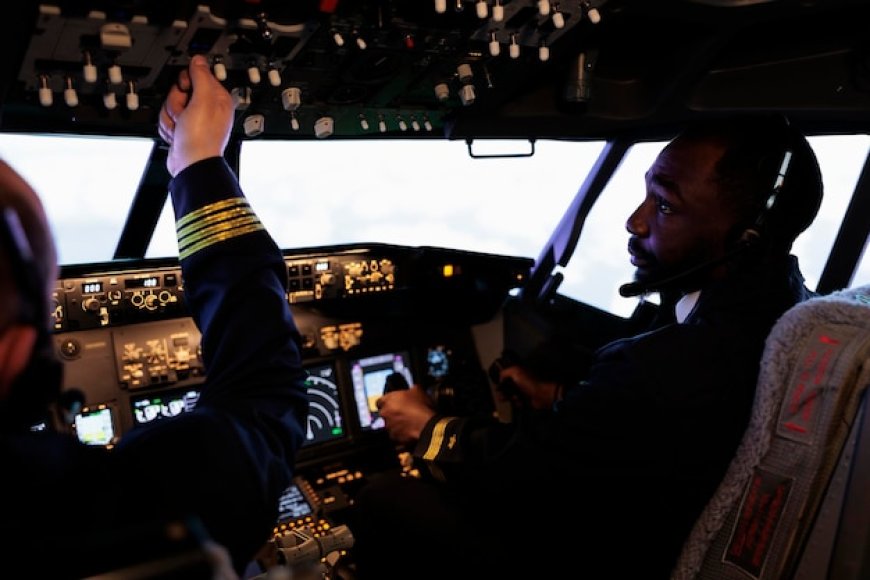
The aviation industry has always relied on innovation to improve safety, efficiency, and pilot training. One of the most important advancements in this field is system modeling. This method helps engineers, researchers, and pilots understand how complex aircraft systems work before testing them in real-world conditions. By using accurate models, the aviation industry reduces risks, saves costs, and improves decision-making.
What Is System Modeling in Aviation?
System modeling is the process of creating a digital or mathematical representation of an aircrafts systems. These models may include electrical systems, aerodynamics, navigation controls, and even human interaction within the cockpit. Instead of relying only on physical prototypes, experts can use models to test scenarios, identify problems, and improve safety measures.
Why System Modeling Matters
System modeling has become a critical tool in aviation for several reasons:
-
Safety Improvements: Testing in a virtual environment reduces risks for both pilots and engineers.
-
Cost Reduction: Airlines and manufacturers save money by minimizing the need for physical prototypes.
-
Faster Innovation: New aircraft designs can be tested virtually before building prototypes.
-
Pilot Training Support: Pilots experience real-world scenarios in a controlled and safe environment.
Real-World Applications of System Modeling
The applications of system modeling in aviation extend across multiple areas:
-
Aircraft Design: Engineers model how different parts of an aircraft interact under various conditions.
-
Safety Analysis: Emergency situations, such as engine failures, can be simulated without endangering lives.
-
Environmental Testing: Models predict how aircraft respond to weather changes, turbulence, or crosswinds.
Enhancing Pilot Training Through Simulation
System modeling plays a vital role in pilot education. Modern training relies heavily on simulators that replicate the cockpit environment and flight conditions. With accurate models, these simulations feel real, preparing pilots for real-world challenges.
For example, a flight simulator setup allows trainees to practice maneuvers, handle emergencies, and build confidence without stepping inside an actual aircraft. This makes system modeling an essential part of aviation training programs worldwide.
Benefits Beyond Training and Safety
System modeling also supports areas beyond pilot training and design testing:
-
Maintenance Forecasting: Models predict when certain parts of the aircraft might fail, helping schedule maintenance in advance.
-
Fuel Efficiency: Simulations optimize flight paths, reducing fuel usage and lowering environmental impact.
-
Air Traffic Management: System models help airports and air traffic controllers manage routes more effectively.
Challenges in Implementing System Modeling
Despite its benefits, system modeling does face challenges. Creating accurate models requires significant data, advanced software, and expertise. Additionally, models must be constantly updated to reflect real-world changes in aircraft technology. The cost of building high-quality models can also be high, although long-term savings usually outweigh these initial expenses.
The Future of Aviation with System Modeling
As technology continues to evolve, system modeling will play an even larger role in aviation. Artificial intelligence and machine learning are now being integrated into models, making them smarter and more accurate. This will allow for predictive analysis, autonomous aircraft development, and enhanced safety standards across the industry.
Conclusion
System modeling is no longer just a technical toolit is the backbone of modern aviation. From designing safer aircraft to improving pilot training and reducing operational costs, its impact is widespread and growing. With advancements in simulation, AI, and predictive modeling, the future of aviation will continue to rely on this innovative approach to achieve higher safety, efficiency, and sustainability.