


























Essential factors in planning functional and aesthetic water features

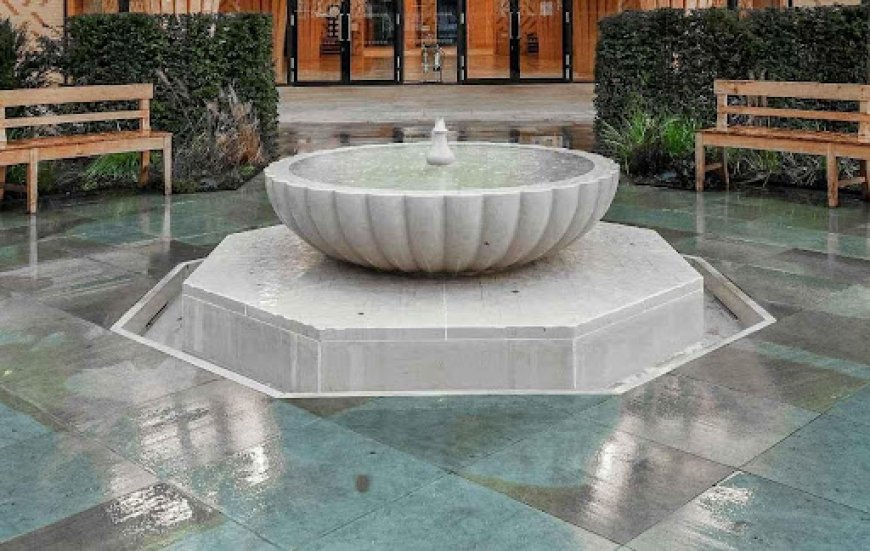
Aesthetics, engineering, ecology and functionality must be sensitively integrated in the planning and construction of outdoor water features. The success of the project around a small outdoor water fountain or a sophisticated system of ponds and interactive jets lies in the initial integrity of vision and technical reality. This article emphasizes the most significant factors that guarantee the success of the construction of the water features, the assistance that swimming pool companies can offer in organizing the complicated projects, and provides tips on how to construct long-term, effective and popular installations. These lessons highlight the role of professional planning and masterful work to make water features that will improve the use of outdoor space and bring enduring value.
1. Design and aesthetic intent
An effective water feature starts with a well-defined aesthetic agenda that shapes material selection, size, and space relationship. The designer chooses a visual lexicon, whether sculptural, naturalistic, playful, or formal, and considers the way the element will be read in a variety of vantage points and dayparts. Atmosphere and soundscapes that develop user experience are created through texture, reflectivity, and the choreography of moving water. Effective designs balance visual drama with practical requirements of safety and maintenance, and they harmonize sightlines, pedestrian movement, and proximity to other facilities such that the water component serves to support larger placemaking goals. In addition to preliminary concept sketches, mock-ups, and scale models aid in the calibration of proportions and water behaviour. Materials and water finishes are also tested by designers under natural lighting to make sure that reflective characteristics and colour blend in with the overall colours of the site.
2. Site analysis and environmental context
Detailed site analysis eliminates the risk of construction and supports robust decisions. Project teams carry out research into the soil conditions, depth of underground waters, and accessibility of utilities to determine the depth of excavations and the method of foundation. The prevailing winds, exposure to the sun, and seasonal temperature change are the climate variables that determine the rate of evaporation and selection of plants surrounding the feature. The trees, birds, and pedestrian routes near the pumps and filters influence the loads of debris on them, the level, drainage, and stormwater streams affect basin configuration and overflow routing. Geotechnical advice may require an allowance against expansive clays, shallow bedrock or high-water tables that would otherwise destabilize basins. The inclusion of stormwater can transform a cosmetic installation into a multi-purpose infrastructure that can help in flood mitigation and water recharge into the ground.
3. Hydraulic and mechanical engineering
Performance and reliability are based on hydraulic design. Pumps, pipework, valves, or control systems are designed and specified to provide the desired flows, pressures, and effects without unnecessary consumption of energy. To ensure that a single component failure does not put the system at a halt, engineers will make those critical systems redundant and ensure that there is adequate clearance to carry out maintenance and to change equipment in the mechanical space. The systems of modern control offer scheduling, modulation of flows, and remote diagnostics, which decrease the response time and facilitate effective functioning. Layouts that are friendly to maintenance are isolation valves, well-labelled panels, and modular skids that can be changed with little disturbance of the surroundings.
4. Durability and material selection
The materials used dictate the time and wear of a water feature. The selection is focused on its compatibility with water chemistry, resistance to ultraviolet radiation and ability to resist physical wear. Some typical classic selections are reinforced concrete substrates, natural and engineered stone veneers, stainless steel elements, and high-quality composites. Finishes should be stain-resistant, abrasion-proof, and biological growth-proof, and the joints and sealants should be able to accommodate thermal movement without negatively affecting the waterproofing. Examples of finish samples that have been tested under accelerated weathering conditions show how porosity, colourfastness, and slipperiness vary with time. In areas where marine or chlorinated conditions exist, experts suggest certain alloys and protective mechanisms to withstand corrosion. The description of the water-pedestrian transition zones has overflow gutters and accessible clean-outs to ease cleaning.
5. Water quality, filtration, and treatment
Effective treatment regimes and appropriately sized filtration are critical to the operational health of a water feature. Designers involved in water features construction design filtration and skimming systems to accommodate the projected load of leaves, dust, bird life, and human contact, and they choose treatment modes of mechanical filtration, ultraviolet disinfection, use of ozone or controlled chemical dose to fit the purpose and size of the installation. Recirculation, rainwater capture, and automatic make-up are water conservation techniques that cut back on the amount of potable water consumed and provide sustainable operation. In automated monitoring, continuous feedback is given on pH, oxidizer levels, and turbidity, enabling chemical feed systems to dose accurately and prevent over-treatment. Filtration train redundancy allows partial operation during maintenance, and bypasses and clean-in-place piping design help towards minimal service interruption during cleaning.
6. Regulatory compliance and safety
Local codes and the rules of health care influence most practical design decisions. The regulations can dictate the depth limits, barriers, signage, the lifeguard provisions, and electrical separations of underwater fittings. Backflow prevention standards, emergency shutoff standards, and accessible pathways are standards that make installations comply with safety and accessibility requirements. Engaging with permitting authorities, public health officials, and insurers early and throughout helps mitigate the risks involved in having to redesign and approve the project late. The designs are accompanied by risk assessment, which visualizes possible failure modes and emergencies. Where swimsuits are next to water features, liaison with swimming pool companies will be made to ensure that there is uniformity in sanitation, suitable fittings and common procedures in testing and records.
7. Blends with landscape and hardscape
A water feature is complete when it is balanced with the landscape and the landscape around it. Layered experiences are formed by circulation and seating, shade structures and planting, which invite a variety of uses including quiet contemplation, organized programming, and informal play. Hardscape material must be requested on slip resistance and durability where they border wet areas, and the landscape palette must reduce leaf-drop into basins to lighten filtration loads. Considerate lighting design will also expand the usefulness of the feature into the evening without creating glare and light intrusion. Good integration considers seasonal variations and rhythms of maintenance as well, so that plantings and finishes can sustain a foreseeable maintenance program.
8. Maintenance planning, operations, and lifecycle costs
The performance in the long term depends on operational governance and budgeting realism. Cleaning schedules, spare parts, and emergency procedures must be documented in an operations and maintenance manual. Commissioning tests, warranty requirements, and training of maintenance personnel should be defined in contracts. Contracts in water features construction should therefore specify roles in commissioning and handover documentation in procurement and provide detailed as-built documentation and spare parts lists. Reenacting energy use, chemical use, water loss, and labour results in lifecycle costing that allows for knowledgeable decisions between competing design solutions and promotes sustainable operation.
Conclusion
Placemaking and environmental values of outdoor water installations include an outdoor water fountain or an elaborate aquatic installation planned with the environment in mind. This compatibility of design ambition with engineering, regulatory compliance, and operational readiness forms long-lasting aspects that benefit communities and ecosystems. The strongest projects are those where stakeholders invest in the realization of operations and maintenance through a definite governance, and those where procurement and construction are realistic long-term budgets. Cooperation between landscape professionals, engineers, contractors, swimming pool companies, and maintenance teams will guarantee future value and make water features attractive, safe, and practical for years to come.


