DTG Printing Method – A Modern Solution for Custom Apparel

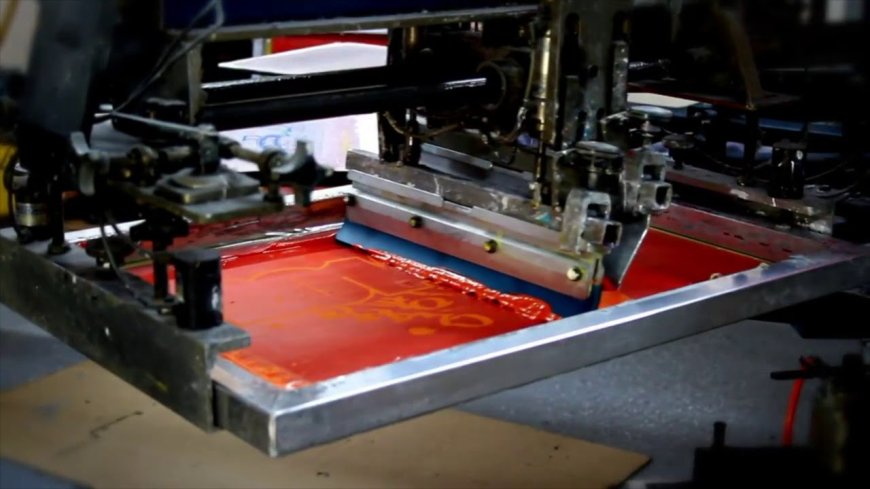
In today’s fast-paced fashion and print-on-demand industry, customization has become the key to success. People no longer want mass-produced items; instead, they look for products that reflect their personal style, creativity, and identity. One printing technology that has gained immense popularity in recent years is Direct-to-Garment (DTG) printing. Known for its ability to produce high-quality, full-color designs directly onto fabric, DTG printing near me has quickly become a go-to solution for businesses and entrepreneurs in the custom apparel market.
What Is DTG Printing?
DTG printing, short for Direct-to-Garment printing, is a process where specialized inkjet technology is used to print designs directly onto textiles, typically cotton or cotton-blend garments. Unlike screen printing or heat transfer methods, DTG doesn’t require screens, stencils, or vinyl cutouts. Instead, it uses water-based inks that are absorbed by the fibers of the fabric, creating vibrant, detailed prints.
Think of it as a paper inkjet printer—but for clothing. With DTG, you can print detailed photographs, colorful graphics, and complex designs onto a t-shirt or hoodie with precision and ease.
How the DTG Printing Process Works
-
Design Preparation – A digital design is created or uploaded onto DTG printing software.
-
Garment Pre-Treatment – The fabric, especially dark-colored garments, is pre-treated with a solution that helps the ink bond with the fibers and ensures color vibrancy.
-
Printing – The garment is placed onto a platen, and the printer sprays the ink directly onto the fabric, layer by layer, according to the design.
-
Curing – Finally, the printed garment is heat-pressed or cured to dry the ink and make the print durable for washing and wearing.
This straightforward process makes DTG printing ideal for small-batch or single-piece production.
Benefits of DTG Printing
1. High-Quality Prints
DTG printing produces sharp, detailed images that can replicate gradients, shadows, and intricate details. Unlike vinyl or screen printing, there are no limitations on the complexity of designs.
2. Unlimited Colors
Because it’s a digital process, DTG allows for unlimited colors without additional cost. Businesses and designers can use full-color photographs, gradients, or multicolored graphics without worrying about added expenses.
3. Eco-Friendly Option
DTG uses water-based inks, which are generally safer for the environment compared to plastisol inks used in screen printing. Additionally, since DTG is ideal for printing on demand, it reduces waste by eliminating the need for bulk production.
4. No Minimum Orders
One of the biggest advantages of DTG is that it’s perfect for print on demand. Whether a customer wants just one shirt or a small batch, DTG can fulfill the order without setup costs. This makes it attractive for entrepreneurs, small businesses, and independent artists.
5. Soft to the Touch
Since the ink is absorbed into the fibers of the fabric, DTG prints feel soft and breathable, unlike vinyl transfers that can feel heavy or plasticky.
Limitations of DTG Printing
While DTG offers many benefits, it also has some limitations to consider:
-
Best on Cotton Fabrics – DTG works best with 100% cotton or cotton-rich fabrics. Polyester or blends may not yield the same results.
-
Not Ideal for Bulk Printing – For large-scale production, screen printing is still more cost-effective, as DTG can be slower for very high volumes.
-
Pre-Treatment Needed – Dark garments require pre-treatment, which can add time and cost to the process.
-
Durability – While DTG prints are long-lasting, they may not be as durable as screen prints when exposed to frequent washing if not properly cured.
DTG Printing vs. Other Methods
-
Screen Printing: Great for large runs but requires setup and is not cost-efficient for small orders.
-
Heat Transfer Vinyl (HTV): Good for simple designs but less durable and limited in detail.
-
Sublimation Printing: Excellent for polyester and coated products but not suitable for cotton fabrics.
Compared to these, DTG shines in customization, small-batch production, and producing vibrant, detailed designs on cotton garments.
Why DTG Is Popular in Print on Demand
The rise of print-on-demand businesses on platforms like Shopify, Etsy, and Amazon has boosted the popularity of DTG printing. Entrepreneurs can upload designs and sell products online without holding inventory. When an order comes in, the design is printed directly on the garment and shipped to the customer. This business model reduces risk, eliminates the need for storage, and allows for infinite design possibilities.
Conclusion
Direct-to-Garment (DTG) printing is transforming the way businesses and individuals approach custom apparel. With its ability to produce high-quality, colorful, and detailed designs without setup costs or bulk orders, it stands as one of the best options for small businesses, startups, and creatives.
While it may not replace traditional screen printing for mass production, DTG is perfect for today’s demand for personalization and sustainability. For anyone looking to enter the world of custom fashion or grow a print-on-demand business, DTG printing is a versatile, eco-friendly, and profitable solution.