Dead Bed Bug Shells vs. Live Bugs: How to Spot the Difference

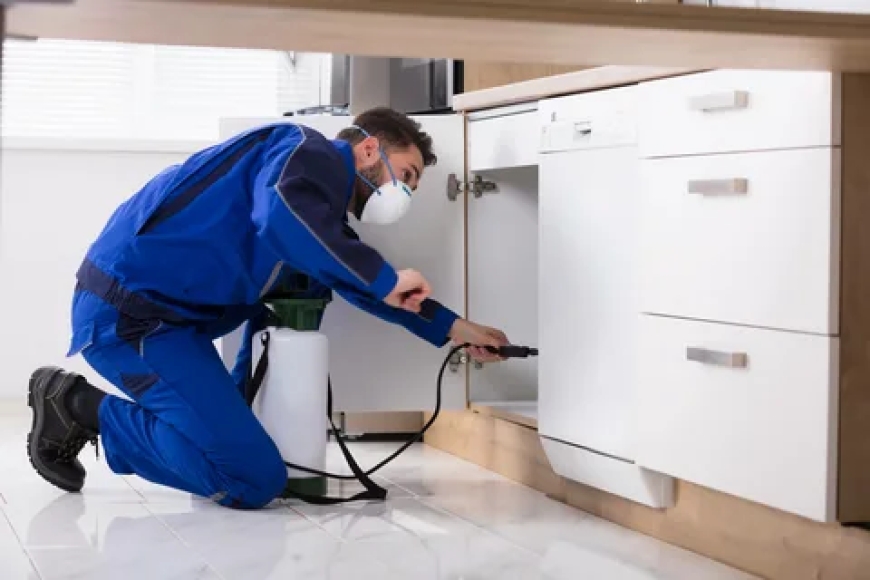
Bed bugs are every homeowners nightmare. These small, elusive pests can infest your living space quietly, often going unnoticed until the problem becomes severe. One of the first signs of an infestation is spotting dead bed bug shells or live bugs. But for the untrained eye, telling the difference can be tricky. Knowing what to look for can help you catch a bed bug problem early and reach out to a pest control company before things spiral out of control.
In this article, well guide you through identifying dead bed bug shells versus live bed bugs, what each means for your home, and how to address both effectively.
What Are Bed Bug Shells?
Bed bug shells, also known as exoskeletons or casings, are the remains left behind when a bed bug molts. As bed bugs grow, they shed their exoskeletons several times before reaching maturity. These discarded shells are often the first signs of an infestation because they accumulate in areas where the bugs hide.
Thesedead bed bug shellsare not just harmless remnants. They indicate that live bed bugs areor wereactive in your home. Molting is part of their development cycle, and if you find shells, that means bugs have been feeding and growing.
Characteristics of Dead Bed Bug Shells
To properly identify bed bug shells, here are some features to look for:
1. Color and Appearance
Dead shells are light brown, translucent, and appear slightly shrunken compared to a live bed bug. They have the shape of a bed bug but lack internal organs and movement.
2. Texture
Shells are brittle and dry. If touched, they may crumble or crack apart. They are not squishy or moist like a live bug.
3. Size
Their size ranges depending on the life stage of the bed bug that shed themfrom pinhead-sized nymphs to adult-like structures.
4. Location
These shells are often found in clusters around mattress seams, box springs, behind headboards, under furniture, and in cracks and crevicesessentially, anywhere live bugs like to hide.
Characteristics of Live Bed Bugs
Live bed bugs are parasitic insects that feed on the blood of humans and animals. They are typically 4-5 mm in length (about the size of an apple seed), reddish-brown, and oval in shape. Heres how to identify them:
1. Color and Movement
Live bed bugs have a more reddish color, especially after feeding. They move relatively quickly but tend to hide rather than roam openly.
2. Behavior
Bed bugs are nocturnal and often hide during the day. They come out at night to feed on unsuspecting hosts. If you spot one during the day, it could be a sign of a severe infestation.
3. Feeding Signs
Live bugs leave behind blood spots, fecal stains (tiny black dots), and bite marks on the skin. These are direct indicators of recent feeding activity.
Dead Shells vs. Live Bugs: Side-by-Side Comparison
|
Feature |
Dead Bed Bug Shells |
Live Bed Bugs |
|
Color |
Light brown, translucent |
Reddish-brown |
|
Size |
Depends on life stage |
About 4-5 mm (adult) |
|
Texture |
Brittle and dry |
Soft and squishy after feeding |
|
Movement |
None |
Crawls quickly, hides |
|
Found Where |
Clusters in hidden spots |
Hiding in crevices, comes out at night |
This comparison can help you make a quick distinction when you notice signs of bed bugs in your home.
Why the Difference Matters
Understanding the difference between dead shells and live bugs is not just about curiosityit has real implications for your pest control strategy.
1. Dead Shells = Evidence of Life
If youre seeing only dead shells, dont assume your infestation is gone. These shells are a clear sign that bugs areor wereactive. Its possible that some bugs are still hiding.
2. Live Bugs = Immediate Action
Finding live bugs should prompt you to act immediately. It suggests an active infestation that can rapidly spread. Quick action can prevent a full-blown problem.
Signs You Have a Bed Bug Problem
Whether youre spotting dead shells or live bugs, several signs point to a growing bed bug issue:
-
Small reddish stains on bedding (crushed bugs)
-
Tiny black spots (excrement)
-
Musty odor in the room
-
Clusters of bites in a line or zig-zag pattern
-
Eggs or nymphs (translucent or white in color)
Any of these signs should be taken seriously.
Why DIY Solutions Often Fail
Many homeowners attempt to handle a bed bug problem on their own using sprays or homemade traps. However, these methods usually address only the visible bugs and leave the hidden population untouched.
Bed bugs are masters of hiding, reproducing quickly, and developing resistance to common chemicals. If you only remove live bugs but leave behind eggs or miss hiding spots, the infestation will return in full force.
When to Call the Experts
If youre noticing signs like shells, bites, or live bugs, it's crucial to bring in a professional. A qualified pest control company has the tools, training, and treatments to handle infestations completely and safely.
Professional services can include:
-
Thorough inspections of all common hiding places
-
Heat treatments to eliminate all life stages of bed bugs
-
Insecticide applications using targeted strategies
-
Follow-up visits to ensure the infestation is gone
Preventing Future Infestations
Even after a successful treatment, vigilance is key to preventing another infestation. Here are some practical tips:
1. Inspect Secondhand Furniture
Always examine used furniture, especially beds and couches, before bringing them into your home.
2. Use Mattress Encasements
Protect your mattress and box spring with bed bug-proof covers to reduce hiding spots.
3. Be Careful When Traveling
Inspect hotel beds, avoid placing luggage on the floor, and wash clothes in hot water after returning home.
4. Declutter Your Home
Fewer hiding places make it easier to detect early signs of bed bugs and deter them from settling in.
Final Thoughts
Recognizing the difference between dead bed bug shells and live bugs is crucial for early detection and proper response. Dead shells signal past or ongoing activity, while live bugs indicate an active infestation. Both demand attention.
DIY methods may temporarily suppress symptoms but rarely solve the core problem. Engaging a reputable pest control company ensures that the infestation is fully addressed, reducing the chance of recurrence.
If you suspect youre dealing with an infestation, act promptly. Whether its discarded shells or crawling bugs, every sign is a clueand with professional help, your home can return to being pest-free.