


























DEA License for Veterinarians: What It Is and Why You Need It
Learn everything about the DEA license for veterinarians, why it’s essential, and how to get your DEA veterinary license. Explore DEA registration compliance for relief veterinarians.

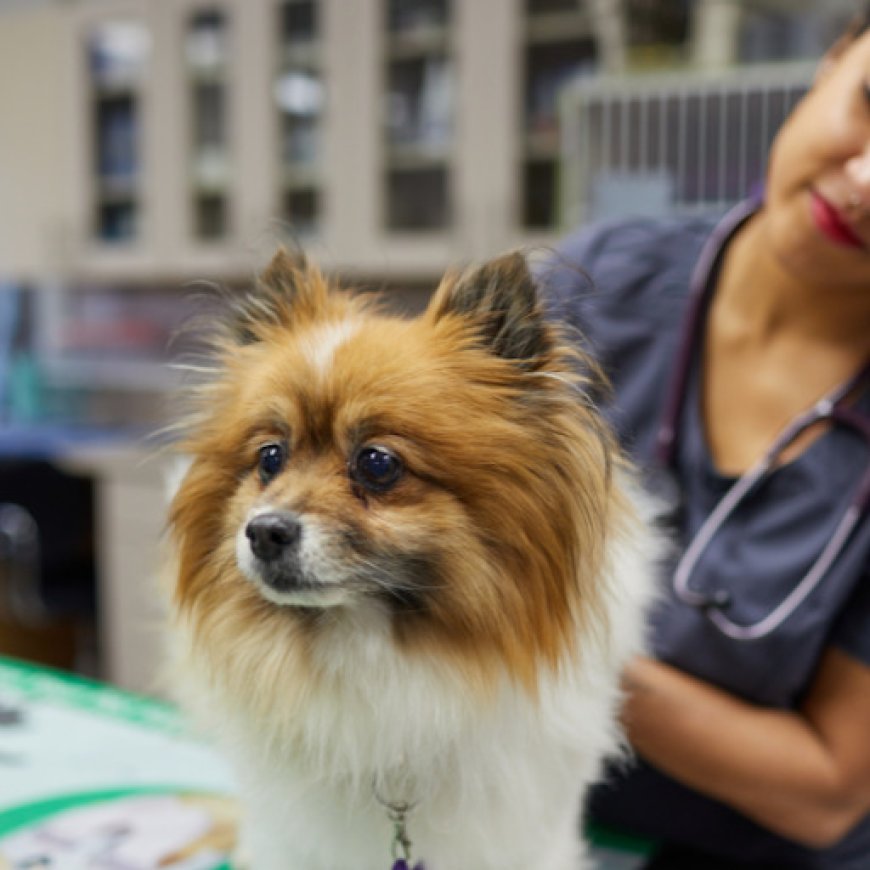
As a veterinarian, you have a responsibility to ensure your patients receive the best possible care. Part of that care includes managing medications, especially controlled substances that can be vital for your patients well-being. But to prescribe and handle these drugs, you need a DEA veterinary license. In this guide, well explain what a DEA license for veterinarians is, why its crucial, and the steps to obtain your DEA number veterinarian.
What is a DEA License for Veterinarians?
A DEA veterinary license, commonly known as a DEA registration, is a requirement for veterinarians to legally prescribe, dispense, or handle controlled substances. Controlled substances include drugs that have a high potential for abuse and are classified into schedules by the Drug Enforcement Administration (DEA).
This license ensures that veterinarians comply with federal regulations and monitor the use of these substances, ensuring they are used appropriately for treatment rather than misuse. The DEA number veterinarian is unique to each licensed vet and is required for ordering and managing controlled substances.
Why Do You Need a DEA License Veterinary?
If youre working as a veterinarian, you are likely to encounter controlled substances in your practice. Whether youre performing surgeries, managing pain in animals, or treating conditions requiring controlled medications, youll need to have a DEA veterinary license to:
1. Legally Prescribe Controlled Substances
Without a DEA veterinary license, you cannot prescribe certain medications, including pain relievers (like opioids), sedatives, and other treatments necessary for your patients.
2. Order and Dispense Medications
A DEA number veterinarian is required to order controlled substances from pharmacies or suppliers and dispense them to patients.
3. Maintain Legal and Ethical Standards
A DEA license veterinary ensures that your practice complies with federal regulations designed to prevent abuse of controlled substances. Failing to obtain or renew this license can lead to legal penalties, including the loss of your ability to practice.
How to Apply for a DEA Veterinary License?
Obtaining your DEA veterinary license involves a straightforward application process. Follow these steps to get started:
Step 1: Ensure Eligibility
Before applying for your DEA number veterinarian, ensure you meet the eligibility requirements. You must:
-
Be a licensed veterinarian in your state.
-
Have a valid state license to practice.
-
Be in good standing with the veterinary medical board.
Step 2: Complete the Application
To apply for your DEA veterinary license, youll need to fill out an online application through the DEA website. The application will ask for:
-
Your state veterinary license number.
-
Your practice location.
-
The types of controlled substances you intend to prescribe or manage.
-
Your professional credentials.
Step 3: Pay the Registration Fee
There is a registration fee associated with the application, which varies depending on whether you are applying for an individual or institutional registration.
Step 4: Await Your DEA Number Veterinarian
After your application is processed, the DEA will issue you a DEA number veterinarian, which allows you to legally prescribe and manage controlled substances. The process can take several weeks, so its essential to apply in advance.
What Controlled Substances Can You Prescribe with a DEA Veterinary License?
A DEA license veterinary allows you to prescribe, administer, and handle a variety of controlled substances, including:
-
Pain medications: Opioids like morphine, fentanyl, and tramadol.
-
Sedatives and tranquilizers: Used for procedures or calming anxious animals.
-
Antibiotics and other treatments: Drugs like ketamine, diazepam, and barbiturates.
Each drug is classified into one of five schedules based on its potential for abuse and accepted medical use. The higher the schedule, the more restricted its use.
DEA Registration for Relief Veterinarians
Relief veterinarians play an important role in filling staffing gaps at practices, especially in cases where full-time vets are unavailable. If you work as a relief veterinarian, you still need a DEA veterinary license to prescribe controlled substances while working temporarily at a practice.
Many relief veterinarians assume that their temporary status means they dont need their DEA number veterinarian, but thats not the case. The DEA registration compliance for relief veterinarians is just as important as it is for full-time vets, especially if youre involved in prescribing or managing controlled substances.
What Happens If You Dont Have a DEA License for Veterinary Practice?
Operating without a DEA veterinary license can have severe consequences. Veterinarians who fail to obtain or renew their DEA registration could face penalties such as:
-
Fines: You could be fined for illegal prescription practices.
-
Suspension or Revocation of License: The DEA can suspend or revoke your license to practice veterinary medicine.
-
Legal Action: Misuse of controlled substances without proper registration could result in criminal charges.
In addition to the legal risks, practicing without a DEA number veterinarian puts your patients at risk, as you wont have access to essential medications they may need for their treatment.
FAQs about DEA License for Veterinarians
1. How long does it take to get a DEA veterinary license?
The application process typically takes several weeks. After applying, you will receive your DEA number veterinarian once the application is processed and approved.
2. Can I prescribe controlled substances without a DEA number veterinarian?
No. Without a DEA veterinary license, you cannot legally prescribe, administer, or handle controlled substances in your veterinary practice.
3. Do relief veterinarians need a DEA license?
Yes, relief veterinarians must have a DEA veterinary license if they plan to prescribe controlled substances during their temporary assignments.
4. How often do I need to renew my DEA veterinary license?
Your DEA license veterinary must be renewed every three years. You will receive a reminder to renew before it expires.
5. What happens if I dont renew my DEA license?
If you dont renew your DEA number veterinarian, you will lose the ability to prescribe, dispense, or manage controlled substances, and you may face legal and professional consequences.
Conclusion Why a DEA Veterinary License is Essential
Having a DEA veterinary license is a non-negotiable aspect of responsible veterinary practice. It ensures that you can legally and ethically prescribe controlled substances, all while complying with federal regulations. Whether youre a full-time veterinarian or a relief vet, getting your DEA number veterinarian is a crucial step to offering the best care to your patients.
If youre a relief veterinarian and need to ensure DEA registration compliance, check out Roos guide to make sure you meet all the necessary requirements.


