Creating a Caring Home: Understanding Professional Support at Your Doorstep
Discover how personalised home-based care is transforming lives by offering comfort, dignity, and independence. This blog explores the benefits, flexibility, and emotional value of professional support at home, and why choosing the right provider matters.

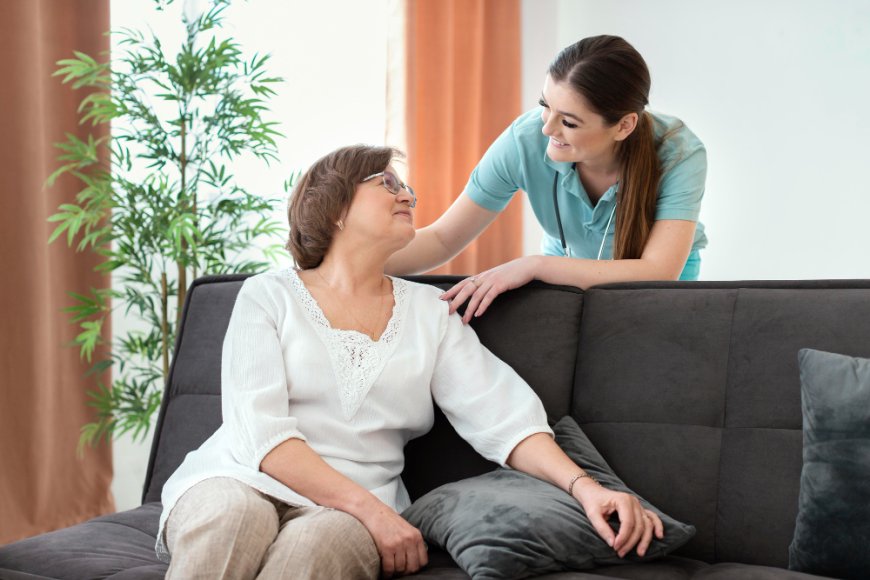
In recent years, the demand for personalised, in-home assistance has grown significantly as individuals seek care solutions that respect their independence and lifestyle. More people are turning to tailored support options that allow them to live comfortably in their own homes while receiving the help they need to manage daily activities, personal care, and companionship.
While traditional residential care homes remain an option for many, the preference for home-based support is reshaping how families think about long-term assistance. This approach not only provides practical help but also promotes emotional well-being, offering a sense of familiarity and dignity that comes from staying in ones own environment.
The Appeal of Care at Home
Remaining in a familiar space offers multiple benefits. For many, home is filled with memories, routines, and comforts that can be difficult to leave behind. Home-based care means those elements remain intact, while trained professionals bring structured support directly to the individuals doorstep.
Families often find that this approach reduces the stress of relocation, preserves community connections, and allows for more personalised scheduling. Instead of adapting to an institutions timetable, care can be delivered at times and in ways that best suit the individuals preferences.
A Personalised Approach to Support
One of the key strengths of home-based care is its flexibility. Every persons situation is different from their health needs to their daily habits and a tailored plan ensures that support is never one-size-fits-all. This might include:
-
Assistance with personal care, such as dressing, bathing, and grooming.
-
Help with household tasks, including cleaning, laundry, and meal preparation.
-
Companionship and emotional support, which can be just as important as physical assistance.
-
Escorting to appointments, social activities, or community events.
-
Help with medication reminders and light health monitoring.
As the care is flexible it can adapt its size up or down depending on changing needs in the long term. This, therefore, makes for a reasonable option for individuals requiring short- or long- term arrangements. Many providers particularly provide domiciliary care services develop care plans that ideally provide the support that is needed while also respecting the individuals requirement for personal independence in direction.
Skilled Professionals Who Care
Behind every successful in-home care arrangement is a team of dedicated professionals. These individuals are often highly trained in various aspects of support work, from first aid and mobility assistance to dementia awareness and specialised communication techniques.
But beyond their technical skills, the most valued quality they bring is compassion. The best carers form genuine relationships with those they support, offering reassurance, companionship, and a sense of safety. For many clients, their carer becomes not just a helper, but a trusted friend and ally in day-to-day life.
Supporting Families as Well as Individuals
Care at home isnt only for the person receiving direct assistance it also benefits the wider family network. Relatives often carry a significant emotional and physical load when supporting a loved one. Professional in-home care offers them peace of mind, knowing that someone capable and trustworthy is present when they cannot be there themselves.
This relief can prevent burnout, allowing family members to maintain a healthy balance between caregiving responsibilities and their own lives. It also ensures that the time they spend together is focused on enjoying each others company, rather than solely on tasks and logistics.
Maintaining Dignity and Independence
Perhaps the most important reason for the growing popularity of home-based care is that it promotes autonomy. Many people fear losing control over their own lives as they age or face health challenges. Being able to stay at home with support tailored to their personal choices helps them maintain a sense of agency.
Small details, such as choosing what to wear, when to eat, or how to spend the day, can make a significant difference to someones self-esteem and overall well-being. Home-based support respects these preferences and encourages active participation in decision-making.
Flexibility in Care Levels
A key advantage of this type of care is that it can evolve over time. Someone might begin with just a few hours of help each week for example, with cleaning, shopping, or meal prep and later expand to daily visits or even overnight support if their circumstances change.
This flexibility is especially useful for individuals recovering from illness, surgery, or injury, as their needs may shift rapidly. Its also valuable for those living with long-term conditions that can progress gradually, ensuring the right level of assistance is always available.
The Role of Community in Home-Based Support
Professional care at home doesnt operate in isolation. Many providers encourage and facilitate engagement with local activities, services, and social groups. Maintaining community ties can help prevent feelings of loneliness and isolation, which can be just as detrimental to health as physical ailments.
Carers might accompany clients to local clubs, hobby groups, or religious services, or simply help them enjoy a walk in the park. Staying active and socially connected supports both physical and emotional well-being, adding another layer of value to the service.
Choosing the Right Provider
Selecting a trusted provider is one of the most important decisions when arranging care. Families should consider factors such as:
-
The providers experience and reputation.
-
The qualifications and training of their staff.
-
The flexibility of their care plans.
-
Their communication style and transparency.
-
How they match carers to clients for compatibility.
By asking the right questions and reviewing references or testimonials, families can ensure they choose a partner who shares their values and priorities.
A Modern Solution for Modern Needs
As lifestyles, work patterns, and healthcare expectations evolve, the concept of professional care delivered at home is becoming an increasingly practical choice. It fits seamlessly into modern life by offering convenience, personalisation, and the ability to adapt over time.
For those who value comfort, dignity, and independence, in-home care provides a compassionate alternative to institutional living without sacrificing safety or quality of support.
Integrating Professional Services into Everyday Life
When care is provided in the home, it becomes part of the natural rhythm of daily life rather than an interruption. Many people find that having a carer present actually enhances their independence by enabling them to do more of what they enjoy without worrying about tasks that have become challenging.
Whether its enjoying a favourite meal, keeping up with hobbies, or simply having someone to share conversation with, the presence of a supportive professional can make all the difference.
The Value of Trust and Relationship
Over time, a strong bond often forms between the carer and the person receiving support. This trust is built on reliability, respect, and consistent quality of service. Its not just about meeting physical needs but about creating a positive, nurturing environment that feels safe and reassuring.
For many, this human connection is as important as any practical assistance turning care into a truly life-enhancing service.
In this growing sector, care services have become an essential option for those seeking quality, personalised assistance without giving up the comforts of home. Families who work with an experienced domiciliary care company often find that it transforms daily life for their loved ones, blending professional skill with genuine compassion to create an environment where people can thrive.