


























Cheap International Shipping A Guide for First Time Shippers
Cheap international shipping in 2025 compare sea freight, RoRo, LCL & FCL, costs, routes & tips for first-time shippers to save money and ship smart.

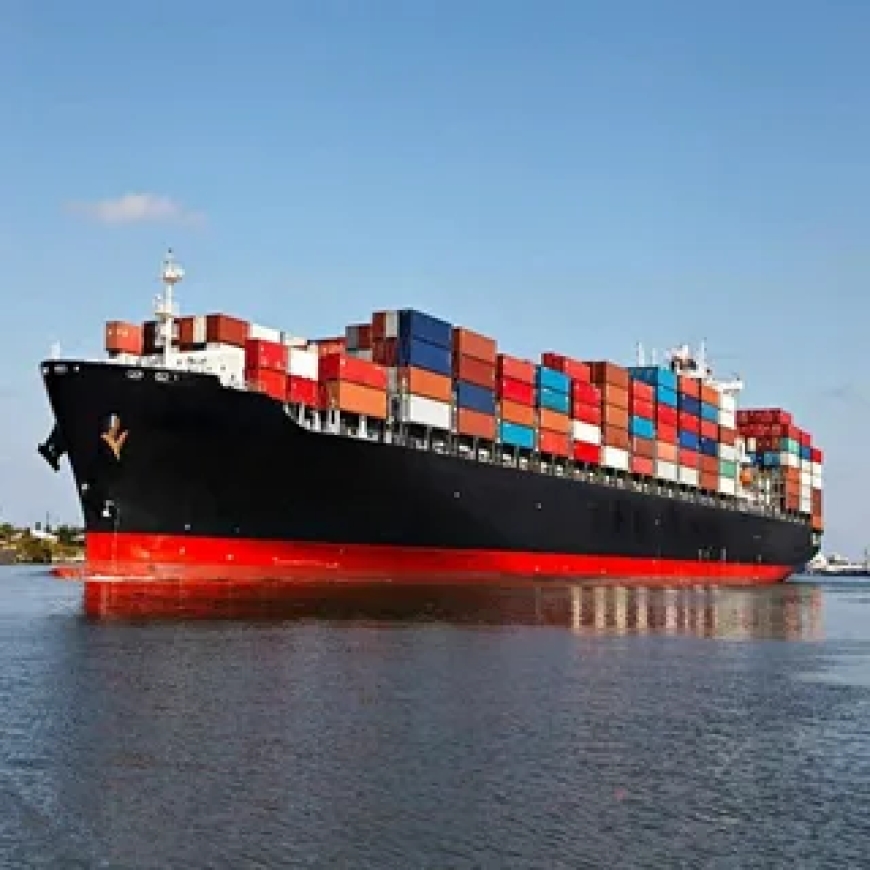
Cheap international shipping refers to minimizing the cost associated with transporting goods, vehicles, or freight across international borders while balancing reliability, legality, and acceptable transit time. It doesn’t mean cutting corners unsafely or illegally, but rather making informed choices mode, packaging, routing, forwarders to reduce costs.
Key types of international shipping relevant to first time shippers include:
-
International container shipping: using sea freight containers (Full Container Load (FCL), Less than Container Load (LCL)) to move goods overseas.
-
International car shipping services / car shipping worldwide: shipping vehicles across countries, often via Roll on/Roll off (RoRo) or in containers (enclosed or shared).
-
Other methods like air freight, but cheap typically implies sea/container or slow but low cost modes.
As of 2025, global shipping costs have moderated compared to peak pandemic surcharges and post pandemic supply chain strain, but challenges remain: fuel cost inflation, environmental regulation, container imbalances, port congestion. For a first time shipper, understanding all cost components is essential.
What you must pay attention to when trying to ship cheaply:
-
Freight rates (sea vs air)
-
Mode of transport (container, RoRo, LCL, FCL)
-
Packaging / weight / dimensions
-
Routing (direct or with transshipment)
-
Handling, port / terminal fees, customs, duties, insurance
-
Shipping lead time and reliability
Which methods / options yield the lowest cost under different circumstances?
For first time shippers, selecting among modes is crucial. Depending on what you're shipping (goods, vehicle), destination, weight, value, and time constraints, some methods are cheaper.
|
Method |
What it is |
Cost advantages |
Cost disadvantages / trade offs |
|
Sea freight (full container load, FCL) |
You lease an entire container, fill it up, ship via ocean carrier. |
Very low cost per unit (per cubic meter or per ton) when volume is high. Good for bulk shipments. Economies of scale. |
You need enough volume; possible need for storage; longer transit time; more logistic planning. |
|
Sea freight (LCL) |
You share a container with others; pay only for your space. |
Good for small shipments; you don’t need to fill containers. Lower upfront costs. |
More handling (loading/unloading), risk of damage, slower transit (must wait for consolidation), possibly higher per unit cost than FCL if LCL space is poorly consolidated. |
|
RoRo for vehicles |
Vehicles drive (or are driven) onto specialized ships; minimal packaging, roll on/off. |
Often cheapest for car shipping worldwide when shipping standard vehicles; lower handling. |
Only works via ports that support RoRo; exposure to weather; interior of vehicle may be exposed; limited options for protection. |
|
Container car shipping |
The vehicle is loaded inside a container (either shared or full). |
More protection; can ship parts / additional goods; good for high value or classic vehicles. |
More expensive than RoRo; logistics of container loading; sometimes extra customs/inspection. |
|
Economy shipping services (slower transit, more stops) |
Less frequent sailings, routes with transshipment, minimal premium. |
Lower cost; sometimes flexible scheduling reduces cost. |
Slower transit times; higher risk of delays; possibly less visibility or less frequent updates. |
Which carriers / service providers are good for cheap shipping in 2025?
-
International freight forwarders that aggregate volume, negotiate bulk rates. In the USA, companies like DSV, Kuehne + Nagel, Flexport, etc., often offer competitive container shipping rates.
-
RoRo specialists for cars (for example, certain auto transport providers). They may offer more affordable car shipping worldwide.
-
Less known / niche regional forwarders may provide lower rates for particular corridors (e.g. Asia USA, Latin America USA).
Which routes or trade lanes tend to be cheaper / more expensive?
-
Cheaper routes: High volume lanes with good infrastructure (e.g., Asia → West Coast USA; Asia → East Coast via Panama Canal or via transshipment; Mexico / Latin America → USA).
-
More expensive routes: Remote destinations; countries with weak port infrastructure; inland deliveries far from ports; countries with high import duties or complex customs.
Who are involved / who you need as partners to ship cheaply?
-
You (the shipper / first time shipper): You decide what to ship, when, how; you provide documentation, packaging, communication. Your choices greatly affect cost.
-
International freight forwarders / brokers: As a first time shipper, working with a freight forwarder (in USA or your origin country) that has experience with international container shipping and car shipping worldwide will help negotiate better rates, consolidate shipments, and manage documentation.
-
Carriers / ocean lines / RoRo operators: These are the companies physically moving your goods; they set many of the base rates. Their schedule, frequency, and service affect cost.
-
Customs agents / import/export authorities: Required for paperwork, duties, clearance. Hidden costs or delays from customs can add up.
-
Port operators / terminal handling: Fees at both ends, loading/unloading, container demurrage/detention charges.
-
Insurers: To insure against damage, loss. Cheaper shipping is good, but must account for insurance risk.
Who can help reduce costs for you?
-
Freight forwarders with good network, strong rate negotiation ability.
-
Providers or carriers with frequent sailings (lower waiting time, more competitive scheduling).
-
Local packing / consolidation agents to prepare shipments to meet container / RoRo requirements well.
-
Customs brokers to pre clear documentation, avoid delays and penalties.
Where in the world / for which destinations do cheap shipping options exist or are more accessible?
-
Gateway ports in the USA: Major ports like Los Angeles / Long Beach, Oakland, Seattle/Tacoma, New York / New Jersey, Savannah, Houston etc., tend to have more shipping lines, more competition => better rates.
-
Where your origin point has good infrastructure: If goods or vehicles originate near a port, or where RoRo / container terminals are efficient, costs are lower. If inland, the cost to move to the port can eat savings.
-
Countries / routes with high volume demand: Cross Pacific routes, Asia USA, USA Latin America; competitive competition tends to drive rates down.
-
Where customs & duties are simpler: Countries with clear rules, low corruption, established procedures tend to have fewer hidden costs or delays.
Where challenges are more likely and where cheap shipping may be deceptive:
-
Remote or landlocked destinations with expensive inland transport.
-
Ports with congestion or high local handling charges.
-
Countries with strict import regulations, high tariffs, complicated certifications.
Why aim for cheap international shipping / what benefits does it bring, and why is being cost conscious especially relevant in 2025?
-
Lower landed cost of goods / improved profit margins
-
The cost to get goods delivered (landed cost) includes freight + duties + handling + inland transport. Minimizing freight contributes significantly.
-
Ability to compete on price
-
Retailers, resellers, entrepreneurs who rely on importing can offer lower prices if they manage shipping costs well.
-
Access to global markets
-
First time shippers can expand their supplier base overseas; cheaper shipping lowers the barrier.
-
Inventory flexibility
-
Using cheaper but slower methods allows importing in larger batches; possible bulk stock to anticipate demand.
-
Lower environmental / sustainability cost (if doing sea freight vs air)
-
Sea freight has lower carbon emissions per ton mile than air. If you choose wisely, you benefit not only in cost but also in sustainability credentials.
-
Resilience and redundancy
-
Understanding cheap shipping options allows having backup routes / carriers; in case of disruptions (port strikes, fuel surcharges), you can switch.
-
Regulatory & cost pressures in 2025 make cost control essential
-
Because of rising fuel costs, environmental regulations (IMO fuel sulphur, possible carbon taxes), inflation, and shipping demand volatility, the base cost of shipping is under pressure. First time shippers must be especially mindful to avoid being caught by surcharges or hidden fees.
When is the best time to ship cheaply / when do cost savings matter most / when to plan?
-
When you plan early and allow lead time
-
Booking in advance usually secures better rates; avoid last minute charges.
-
Off peak shipping seasons
-
Demand cycles matter: before holiday/import peaks, shipping costs spike. After peaks (off season) or mid year lull, rates tend to be more favorable.
-
Before known regulatory / tariff changes
-
If new tariffs, duties, or environmental laws are expected, shipping earlier can avoid added surcharges or unexpected compliance costs.
-
When you can aggregate shipments / volume
-
When you reach sufficient quantity to fill containers (FCL) or when multiple small shipments can be consolidated (LCL).
-
When carrier schedules are reliable and capacity is available
-
Avoid times of carrier congestion / container shortages; if you ship when carriers are full or when blank sailings are common, you may pay more or wait longer.
How can a first time shipper actually get cheap international shipping? What steps, strategies, and best practices should be used?
-
Do your research on modes, providers, and routes
-
Compare sea freight vs air vs RoRo vs containers for your cargo type.
-
Get quotes from multiple carriers / forwarders. Use online freight marketplaces if available.
-
Use freight forwarders / brokers
-
Especially international freight forwarders in the USA (if you’re based in the USA) or local ones in their country of origin. They can negotiate rates, consolidate shipments, and handle customs.
-
Check their reviews, reliability, and transparency.
-
Consider consolidating shipments
-
If you don’t have enough volume to fill a container, using LCL or combining with others can reduce cost. Forwarders often consolidate shipments to maximize space.
-
Optimize packaging and weight/dimensions
-
Pack efficiently to reduce wasted space; lighter packaging where safe; avoid oversize or overweight penalties.
-
Choose the right shipping method for your item
-
For vehicles: compare RoRo vs container shipping; for first time car shipping worldwide, weigh cost vs protection.
-
For general goods: FCL if volume; LCL if smaller.
-
Negotiate rates / get quotes in advance
-
Try to negotiate long term or recurring shipment discounts if you plan to ship more.
-
Ask about all fees: base freight, fuel surcharges, port fees, terminal handling, customs fees, documentation fees, insurance.
-
Plan for customs / documentation carefully
-
Misfiled documents, missing paperwork cause delays and fines.
-
Understand import/export rules, duties, taxes, standards in the destination country.
-
Monitor shipping schedules & seasonality
-
Book before peak demand; avoid times of known carrier or port congestion.
-
Be aware of hidden costs
-
Demurrage and detention: containers sitting too long incur fees.
-
Port handling, terminal surcharges, customs inspections.
-
Inland transport in origin/destination (truck, rail) can add up.
-
Use insurance, but wisely
-
Insure goods, especially for international container shipping or international car shipping services. The cost of insurance is small relative to loss risk, especially in sea transit.
-
Track and monitor your shipment
-
Use tracking tools offered by forwarders or carriers; monitor schedule changes, port delays, route disruptions.
-
Sustainability / green options
-
Sometimes green fuel or carbon tracking options cost a bit more; however for some shippers, customers prefer sustainably shipped items, which may enable premium pricing.
Whose costs / responsibilities / liabilities should you be aware of? Who pays for what, and whose decisions affect your cheap shipping?
-
Your role (Shipper / Exporter / Importer):
-
Provide accurate information about your cargo (dimensions, weight, value).
-
Properly package goods; prepare everything required (customs paperwork, licenses, safety / quality certificates).
-
Pay for packing, inland transport to port, export duties (if any), insurance, etc.
-
Make decisions: method (RoRo, container, etc.), carrier / forwarder, schedule, etc.
-
Freight forwarder / broker:
-
Helps get quotes, bookings, handles consolidation, documentation.
-
Their responsibility includes giving transparent cost breakdowns, arranging movement, handling customs, coordinating with carriers.
-
Carrier / ocean line / RoRo operator:
-
Responsible for moving your cargo once loaded; schedule, vessel service.
-
Their role includes managing container availability, transit time, port of loading/unloading.
-
Port terminals and handling agents:
-
Responsible for loading/unloading; terminal handling; sometimes storage or container handling until inland transport.
-
Customs / import export authorities:
-
Rules, duties, taxes, inspections. Their decisions can cause unexpected delays or costs.
-
Insurance companies:
-
Liability for damage, loss; what your policy covers; All Risks vs Named Perils.
-
Consignee / Receiver:
-
At destination, responsible for customs clearance, import duties, receiving, unloading, inland transport.
Putting It Together: Sample Flow & Cost Breakdown (With 2025 Figures)
To make the guide concrete, here’s an example scenario and a cost breakdown flow, approximations based on 2025 USA / global freight rates, to show how first time shippers can estimate and control costs.
Example Scenario
You are a small business based in Chicago, importing furniture from Vietnam to sell in the U.S. You also occasionally need to ship a car (used vehicle) from overseas for a specialty customer. This is your first time doing both.
-
Goods: 5,000 lbs of furniture, approx. 15 cubic meters volume.
-
Vehicle: A standard sedan, shipping via international car shipping services (either RoRo or container).
-
Destination port: Port of Los Angeles, terminal handling, then trucking to Chicago.
-
Lead time: Furniture can arrive in ~5 to 6 weeks; a car can take ~6 to 8 weeks including paperwork.
Cost Components & Approximates (2025)
|
Item |
Furniture (LCL / maybe FCL shared) |
Vehicle (RoRo vs Container) |
|
Freight (sea) from Ho Chi Minh City → L.A. |
Approx US$1,200–1,800 (LCL) depending on grouping, depending on current ocean freight market; FCL would cost more but cheaper per m³. |
RoRo might cost US$1,500 to 2,500; container shipping (shared or full) might be US$2,500 to 4,000 depending on route and protection. |
|
Inland transport origin (factory → port) |
US$300 to 500 |
US$400 to 800 (to port, depending on distance) |
|
Export/customs handling / documentation origin |
US$150 to 400 |
US$200 to 500 |
|
Port fees / terminal handling at origin port |
US$100 to 300 |
US$200 to 400 |
|
Insurance (sea transit) |
1 2 % of cargo value (furniture) ~ US$100 to 250 |
For car, higher: 1 3 % depending on value ~ US$200 to 500 |
|
Import customs duties/taxes / U.S. import fees |
Varies by product category; furniture may have import duty 0 5 %; taxes based on state |
Vehicles have specific import rules, taxes, possible compliance costs if non U.S standards |
|
Terminal handling / unloading at L.A. |
US$200 to 400 |
US$300 to 600 |
|
Trucking from L.A. to Chicago |
~ US$1,200 to 1,500 depending on fuel and distance |
Similar plus cost for special handling of car transport in the U.S. |
|
Miscellaneous / surcharges (fuel, security, environmental, port congestion) |
US$100 to 300 |
US$200 to 500 |
Total rough estimate:
-
Furniture shipment: approx US$3,500 to 5,000 total landed cost.
-
Vehicle via RoRo: approx US$5,000 to 7,500. Via container shipping protection higher, perhaps US$7,000 to 10,000 depending on route.
These estimates can vary widely depending on current ocean freight demand, fuel surcharges, local fees, customs regulation. In 2025, fuel/environmental surcharges have increased base cost by ~5 to 15 % compared to earlier years.
How to Use This in Planning
-
Get multiple quotes: For both furniture and vehicle, get quotes from 3 4 forwarders / carriers; include all fees.
-
Negotiate especially for recurring shipments or return business.
-
Decide RoRo vs container for car: If protection is needed and you have budget, container is safer but costlier; RoRo cheaper but less protection.
-
Plan for delays / buffer in case of port congestion, customs processing delays.
-
Ensure compliance: Vehicle imports often need inspections, meet safety/emissions standards; missing paperwork can delay and cost.
Common Mistakes First Time Shippers Make & How to Avoid Them
-
Underestimating hidden fees: ignoring port handling, taxes, customs brokerage, inland transport, detention/demurrage.
Avoidance: Ask for all in quotes; forwarders should break down all line items.
-
Poor packaging / bad packing leading to damage.
Avoidance: Use appropriate crates, protective materials; understand how cargo is handled for sea or in car shipping services.
-
Choosing the fastest option without cost benefit (e.g. using air when sea is fine).
Avoidance: Carefully decide based on urgency vs cost; accept slower transit for cheaper shipping.
-
Not accounting for lead time / delay risk.
Avoidance: Plan ahead; allow buffer time; use forwarders with good visibility.
-
Failing to check regulatory compliance for vehicle imports or goods (duties, safety/emissions, labeling).
Avoidance: Work with customs brokers; check regulations of the destination country; ensure documentation.
-
Using unreliable forwarders / carriers to save cost, but resulting in losses/damage.
Avoidance: Check reviews; request references; inspect insurer credentials.
Advantages vs Disadvantages: A Balanced View
While this guide emphasizes how to ship cheaply, it's fair to look at both advantages and trade offs.
Advantages:
-
Lower cost per unit for large or heavy shipments.
-
Ability to ship more volume.
-
Better environmental impact per ton mile vs air.
-
More options for vehicles (RoRo, enclosed containers, etc.).
-
More competitive pricing for end customers.
Disadvantages / Trade offs:
-
Longer transit times.
-
More exposure to delays (weather, port congestion, customs).
-
Risk of damage due to more handling (especially LCL).
-
Less frequent sailings/routes in some corridors.
-
Less real time visibility in some cheap services.
Knowing these trade offs helps you make a better decision.
Tips & Best Practices: Summary Checklist for First Time Shippers
Here’s a checklist you can follow to ensure your first international shipment is as cheap and smooth as possible:
-
Determine your shipment type: goods or vehicle; volume; schedule.
-
Research available modes: sea freight (FCL / LCL), RoRo, container car shipping, etc.
-
Get quotes from multiple providers (freight forwarders, carriers).
-
Ask for full, itemized cost breakdowns (freight + fees + surcharges + insurance + inland transport).
-
Choose forwarders with experience in your route / type of shipment; read reviews.
-
Package properly; protect fragile items; reduce weight/space where possible.
-
Book in advance; avoid peak seasons; avoid last minute shipments.
-
Monitor regulations / customs / duty requirements; ensure all documentation is ready.
-
Plan for inland transport (both origin to port and destination from port).
-
Insure your shipment; understand risk and liability.
-
Track your shipment; use forwarder’s tools to receive updates.
-
Keep sustainability in mind; customers, customs or regulations may favor greener options.
2025 Market Trends & What They Mean for Cheap Shipping
To make sure your cheap shipping remains truly cost effective, be aware of these trends in 2025 which affect rates and service options:
-
Fuel / Environmental Surcharges Increasing: Marine fuel costs and sulphur regulation compliance have increased costs for ocean carriers. Many carriers and forwarders are passing surcharges to shippers.
-
Container Imbalances & Shortages in Some Trade Lanes: Some origins have container shortages or empty containers stuck elsewhere; this raises cost or waiting time.
-
Port Congestion & Labor / Infrastructure Strain: Some U.S. ports are facing labor shortages, environmental regulation delays, and congestion, which increases terminal handling costs and delays.
-
Digital Tools & Transparency Growing: First time shippers now often have better access to online platforms, rate estimators, tracking, etc. Use these to compare and track shipments.
-
Trade Policy / Tariff Uncertainty: Changes in import tariffs, trade relations, or sanctions can affect landed cost, sometimes at short notice.
-
Car Shipping Regulations Tightening: Vehicle import safety and emissions regulations are becoming stricter; documentation requirements increasing.
-
Demand Shifts: ECommerce, reshoring, near shoring trends are shifting some volumes; competition among carriers and forwarders in certain lanes leads to better rates.
Conclusion
Cheap international shipping is definitely possible for first time shippers whether shipping furniture, small goods, or cars but only with good planning, due diligence, partnership with reliable international freight forwarders, and full visibility into all costs.
In 2025, with rising environmental regulation, fuel cost pressures, and trade policy volatility, the margin for error is smaller. But the tools, services, forwarders, and carriers are more sophisticated, enabling shippers to make smart choices:


