


























Can ALPR Replace Security Guards? Pros and Cons for Communities

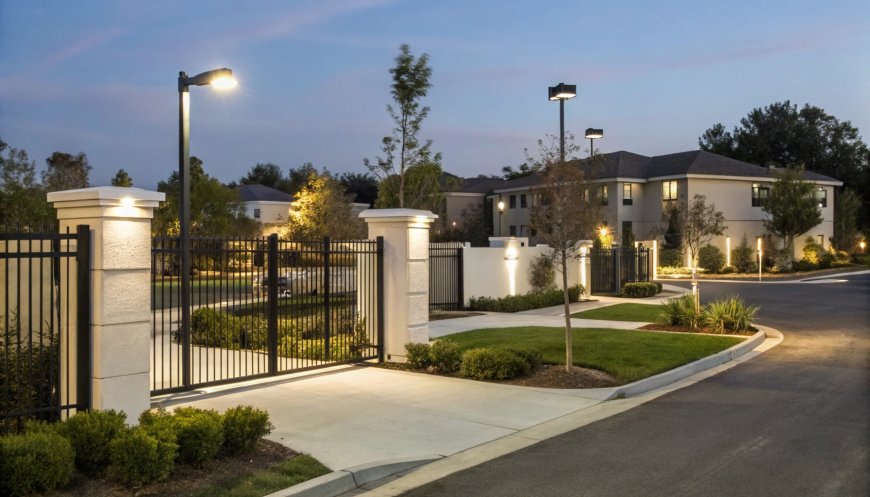
As technology advances, many communities are considering replacing or supplementing traditional gate guards with ALPR, short for automatic license plate recognition. The idea sounds appealing: cameras scan license plates, access is granted to registered vehicles, and everything is logged digitally.
But is this enough to replace a human guard? Here’s a look at what ALPR can (and can’t) do, so communities can make a smart decision about their security setup
What Is ALPR?
An ALPR system uses special cameras and software to read vehicle license plates as they approach a gate or entrance. It compares that plate to a list of approved residents, vendors, or guests. If there’s a match, the system opens the gate. It can also log entries and flag unknown or unauthorized vehicles.
What ALPR Does Well
ALPR systems offer several clear benefits that make them a strong option for many communities.
Hands-Free Access
Once a resident’s license plate is added to the system, they don’t have to do anything else to access the property. When they drive toward the gate, the camera scans their plate automatically. If the system recognizes the plate as approved, it sends a signal to open the gate, no need for key fobs, swipe cards, or intercom calls. It takes seconds, and the resident doesn’t have to stop or roll down the window.
Automated Logging
The system automatically records every vehicle entry. When a car approaches the gate, the license plate camera captures an image and converts the plate into text. The system then logs the plate number, the exact time the vehicle was detected, and which gate or entry point it occurred at. All of this information is stored in a secure digital database, creating a detailed access history that can be reviewed by staff or management at any time. This makes it easy to verify who came in, when they arrived, and where, which is especially useful for reviewing after-hours activity or investigating incidents.
24/7 Operation
A camera never sleeps. The automatic number plate recognition system operates around the clock, including holidays and weekends, eliminating the scheduling challenges associated with human staff.
Lower Long-Term Costs
While installation of a quality ALPR setup requires an upfront investment, over time, it can cost less than employing full-time guards. There’s no payroll, health insurance, or shift coverage needed.
Reduced Human Error
Guards can misplace logs, forget faces, or wave in a car by mistake. An automatic license plate recognition system follows exact instructions every time, without bias or fatigue.
What ALPR Can’t Do (Yet)
Despite these strengths, ALPR isn’t a perfect replacement for human presence, especially in communities with specific or unpredictable needs.
No Visual Judgement
A camera can read a plate, but it can’t assess body language, detect suspicious behavior, or question someone loitering outside the gate. Human intuition is hard to automate.
Visitors Without Plates
Delivery vans, rideshares, and first-time guests may not have pre-approved license plates. If the community lacks a visitor management system or a backup method, it could slow down operations or cause frustration.
Limited Response to Emergencies
If there’s a medical situation, a fire, or a disturbance near the gate, a human guard can respond immediately, direct traffic, or call for help. An ALPR system can’t step in physically.
The Hybrid Approach: ALPR + Remote Monitoring
Some communities are choosing a middle ground. They install ALPR to handle routine access and logging, and pair it with a virtual guard or remote monitoring service. This allows for:
● Immediate voice contact with a live person if needed
● Verification of unregistered visitors
● Action during unusual events (like someone tailgating or blocking the gate)
This hybrid setup brings together the speed of automation and the oversight of a human team.
Conclusion
So, can ALPR replace security guards completely? In some communities, especially smaller or lower-traffic ones, yes, it might be enough. In others, it’s best viewed as a powerful tool that reduces the burden on human guards rather than eliminating them.
The best approach depends on the community’s size, traffic flow, visitor volume, and risk tolerance. For many HOAs and apartment complexes, the ideal setup is a smart automatic number plate recognition system supported by clear visitor protocols and optional remote assistance.


