Quick Guide to Basement Wall Crack Repair in Toronto: Steps That Work
Protect your foundation with expert basement wall crack repair services. Stop leaks, prevent water damage, and ensure long-lasting structural safety today.
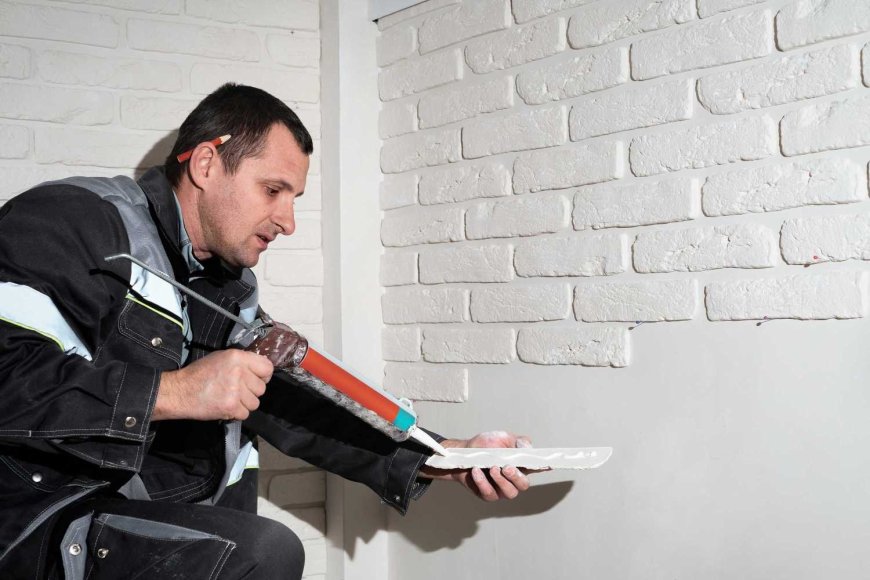
Basement cracks may appear small at first, but they can allow water to seep into your home and cause more significant problems over time. In Toronto, where changing weather and soil movement are common, these cracks are more than just cosmetic. They can weaken the foundation and lead to dampness, mould, or structural damage if ignored.
Many homeowners are unsure whether to tackle a crack themselves or call in experts. Repairing basement cracks early can save you a lot of money and stress in the long run. To make the decision easier, this guide will break down the main steps of basement wall crack repair in Toronto.
By understanding what to look for and how the process works, you’ll know when you can manage on your own and when it’s best to seek professional help.
Table of Contents
Quick Guide to Basement Wall Crack Repair in Toronto: Steps That Work
Quick Guide to Basement Wall Crack Repair
Summary!
Quick Guide to Basement Wall Crack Repair
-
Identify the Type of Crack
Not all cracks are the same. Before any repair, determine whether the issue is vertical, horizontal, or diagonal.
-
Vertical cracks often result from normal settlement and may not always be a serious issue. They usually form in straight lines and can often be repaired without major foundation work.
-
Diagonal cracks could signal uneven pressure or soil movement. These cracks may widen over time and often appear at corners or where walls meet the floor.
-
Horizontal cracks usually indicate significant foundation pressure and often need immediate attention. These cracks may appear as long lines across the wall and sometimes cause the wall to bow inward.
Knowing the type helps determine the right repair method and can prevent unnecessary damage to your home. Taking photos and measuring the width of the crack can also help track any changes over time.
-
Check for Water Seepage
Cracks without water leaks may need only minor sealing. But if you notice dampness, water stains, puddles after rain, or a musty smell, it’s a sign that water is entering through the crack. This step is crucial because repairing a dry crack is different from repairing one with active leakage.
You can also test the wall by applying water to the outside or using a moisture meter. Early detection of seepage enables you to select the appropriate repair method and prevent mould growth or damage to personal items stored in the basement.
-
Clean and Prepare the Area
A successful repair starts with proper cleaning. Remove dirt, loose debris, or any crumbling concrete from the crack. Some homeowners use a wire brush or vacuum for this step. Preparation enables the sealing material to bond effectively with the wall, thereby increasing the durability of the repair.
-
Choose the Right Repair Material
Two common materials are used for sealing basement wall cracks:
-
Epoxy injection is best suited for structural reinforcement. It bonds the crack together and strengthens the wall.
-
Polyurethane injection: More flexible and ideal for stopping water leaks, as it expands inside the crack to block moisture.
Selecting the right product depends on whether the crack is dry or leaking. Using the right material is essential for effective basement wall crack repair in Toronto, as it ensures the crack will not reopen easily.
-
Apply the Sealant or Injection
Once the material is selected, it is applied directly into the crack using injection ports or a sealant tool. The process typically involves sealing the crack surface first, followed by the injection of the chosen material to its full depth. This step ensures the crack is completely filled and won’t reopen easily.
-
Inspect Drainage Around the Home
Fixing a crack inside is only part of the solution. Poor drainage outside can continue to put pressure on the foundation. Check if your downspouts and gutters are directing water away from your basement. Also, inspect the slope of your yard to ensure rainwater flows away from the house. Improving drainage helps prevent new cracks from forming.
-
Monitor the Crack After Repair
Even after a crack has been sealed, it’s smart to monitor it for changes. Marking the edges lightly with a pencil and checking every few months helps you see if the crack is spreading. If it grows larger or new cracks appear, it could be a sign of ongoing foundation issues. This is why ongoing observation is important in basement wall crack repair in Toronto to ensure the repair is effective over time.
-
Know When to Call Professionals
Some cracks can be fixed with a DIY approach, but others need professional attention. For example, wide horizontal cracks, recurring water leaks, or cracks that continue to grow typically indicate a more significant foundation issue. In such cases, professional contractors use specialized tools and techniques to ensure a long-lasting repair and prevent further damage.
Summary!
Basement wall cracks are common in Toronto, but they should never be ignored. By identifying the type of crack, preparing the area, sealing it with the correct material, and improving drainage, homeowners can often prevent the problem from worsening. Monitoring repaired cracks and knowing when to call experts ensures your basement stays dry and your foundation remains solid.
For trusted solutions in both small and complex repairs, homeowners turn to Dryshield Waterproofing Toronto. Their team provides professional crack repair and waterproofing services tailored to the unique conditions in Toronto, giving you long-term protection and peace of mind.