Artificial vs Natural Types of Turf: Which Is Better for Your Garden
Choosing the right surface for your garden is a decision that shapes its appearance and functionality for years to come. Many homeowners weigh the advantages of natural lawns against modern artificial alternatives.

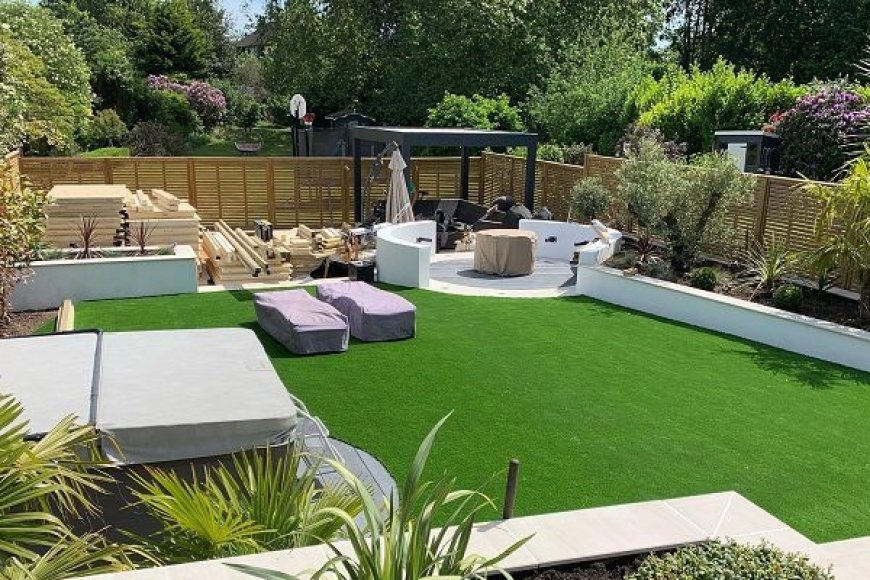
Choosing the right surface for your garden is a decision that shapes its appearance and functionality for years to come. Many homeowners weigh the advantages of natural lawns against modern artificial alternatives. Both options have benefits, but understanding the different types of turf will help you determine which one suits your space best.
Natural Turf: The Classic Choice
Natural grass has been the traditional feature of gardens for centuries. It provides a cool, fresh surface and supports biodiversity. It improves soil health and reduces air temperature around the house. Families also enjoy the softness of natural grass for play and relaxation.
However, natural turf demands regular care. Watering, mowing, and seasonal treatments are part of the routine. Maintenance also depends on the climate. In hot or dry areas, lawns may struggle without irrigation. Pests and weeds add further challenges, making upkeep time-consuming and labour-intensive.
Artificial Turf: The Low-Maintenance Option
Artificial turf has gained popularity due to its convenience. To understand why, here are the main advantages and drawbacks:
-
Stays green throughout the year, regardless of the weather.
-
Requires minimal effort once installed; no mowing or watering is required.
-
Works well in shaded areas and small urban gardens.
-
Saves water and reduces chemical use.
-
Installation costs are higher than for natural turf rolls.
-
Does not support soil life or wildlife.
-
Can become hot during the summer and needs occasional cleaning.
These points show that artificial turf offers long-term convenience, but it comes with trade-offs that homeowners should carefully consider.
Comparing Environmental Impact
Environmental impact often guides the decision between the two types of turf. Below are some key factors to consider:
-
Natural turf filters carbon dioxide and supports insects.
-
It consumes water and fertilisers if not managed responsibly.
-
Artificial turf reduces water usage and eliminates the need for chemical treatment.
-
Synthetic lawns are made from plastic and pose disposal challenges after their lifespan.
In short, both natural and artificial turfs have different environmental impacts. Your choice should depend on which factors you value most: water saving, biodiversity, or long-term sustainability.
Which One Should You Choose?
The right choice depends on lifestyle and gardening goals. Consider these aspects when making your decision:
-
A preference for a natural feel and engaging in gardening activities.
-
Local climate and ability to maintain grass.
-
Desire for year-round greenery with minimal upkeep.
-
Budget for installation and ongoing care.
By considering these points, you can determine whether natural or artificial turf best suits your needs. Some homeowners even combine both by keeping natural lawns in open areas and using synthetic turf in areas where maintenance is more challenging.
Towards the end, remember that even natural grass benefits from proper care. Applying the right fertiliser for lawn grass helps improve its resilience and colour. Balanced nutrition ensures the lawn grows strong and withstands weather changes. Choosing the correct fertiliser for lawn grass can make maintenance easier and extend the life of your turf.
Conclusion
Both artificial and natural turfs bring unique strengths. Your decision should reflect lifestyle, climate and long-term maintenance goals. By comparing features and costs, you can select the option that turns your garden into a space you enjoy every day. Ultimately, the right choice is the one that helps you create a garden that matches both your vision and your routine.