Why Thyroid RFA Is Gaining Popularity as a Surgery Alternative
Thyroid RFA is gaining popularity as a surgery alternative due to its minimally invasive nature, quicker recovery, no general anesthesia, and preservation of thyroid function, making it a safer, more convenient option for many patients.

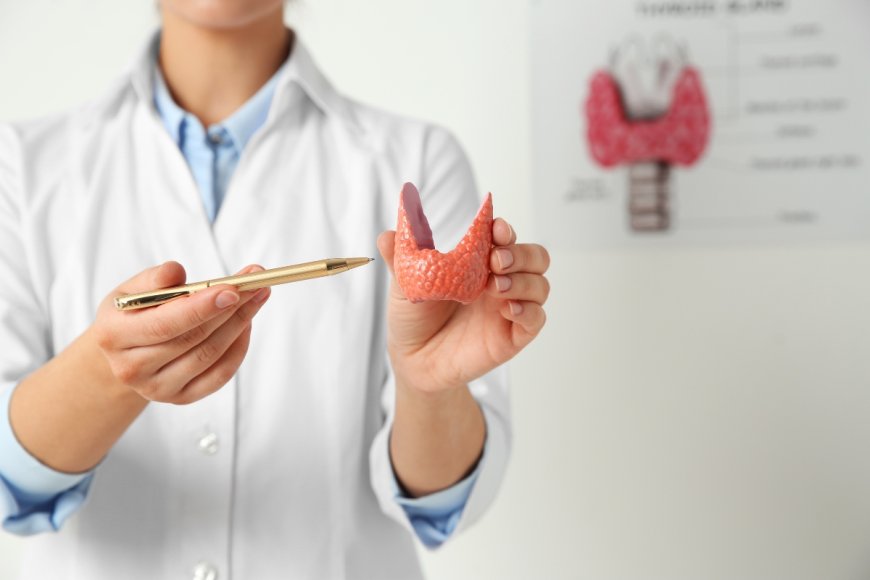
Thyroid nodules are a common medical issue affecting millions of people worldwide. These lumps in the thyroid gland can be benign or cancerous, and they sometimes cause symptoms such as difficulty swallowing, pressure in the neck, or cosmetic concerns. Traditionally, surgery was the go-to option for treating problematic thyroid nodules. However, a new minimally invasive procedure called thyroid RFA (Radiofrequency Ablation) is rapidly gaining popularity as a safer, simpler, and more patient-friendly alternative to surgery.
In this article, we will explore what thyroid RFA is, why more patients and doctors are choosing it, and how it compares to traditional thyroid surgery in terms of safety, effectiveness, and recovery.
What Is Thyroid RFA?
Thyroid RFA is a minimally invasive procedure used to shrink benign thyroid nodules without removing the entire thyroid gland. It involves using high-frequency electrical currents to generate heat, which destroys targeted nodule tissue. The procedure is done under local anesthesia, typically in an outpatient setting, and usually takes less than an hour.
Unlike surgery, thyroid RFA does not require general anesthesia, incisions, or stitches. This means patients experience less pain, a faster recovery, and minimal risk of complications. Over the past few years, thyroid RFA has gained significant attention for its ability to treat thyroid nodules effectively while preserving thyroid function.
Why Thyroid RFA Is Becoming More Popular
1. Avoiding Surgery Risks
One of the main reasons why thyroid RFA is gaining popularity is that it helps patients avoid the risks associated with surgery. Thyroid surgery can lead to complications such as infection, bleeding, damage to vocal cords, and lifelong hormone therapy due to partial or total thyroid removal. For many patients, the idea of undergoing surgery is intimidating and stressful.
In contrast, thyroid RFA offers a low-risk alternative with a much smaller chance of complications. Since the procedure does not require cutting into the neck or removing the thyroid, patients can maintain their natural hormone levels and avoid taking lifelong thyroid medications.
2. Faster Recovery Time
Recovery from thyroid surgery can take several weeks, during which patients may experience pain, swelling, and limited neck movement. In some cases, time off work or other daily activities is needed.
Thyroid RFA provides a faster and smoother recovery. Most patients return to their normal activities within a day or two. There is no visible scar, and the discomfort after the procedure is usually mild. This quicker recovery makes thyroid RFA a more appealing option, especially for working individuals or those with busy lifestyles.
3. Preserving Thyroid Function
A major advantage of thyroid RFA is that it preserves the healthy portion of the thyroid gland. Many patients fear losing their thyroid function after surgery and becoming dependent on daily hormone replacement therapy.
With thyroid RFA, only the problematic nodule is treated, while the surrounding thyroid tissue remains intact. This allows the thyroid to continue functioning normally, eliminating the need for synthetic hormones. Studies have shown that most patients who undergo thyroid RFA do not experience changes in their thyroid hormone levels after the procedure.
4. Proven Effectiveness and Safety
The effectiveness of thyroid RFA has been confirmed by multiple studies and clinical trials. Research shows that the treated nodules shrink by 50% or more within a few months, with continued reduction over time. Most patients report significant symptom relief and improved quality of life.
Additionally, thyroid RFA has a strong safety record. Complication rates are low, and the procedure is well-tolerated by most patients. When performed by experienced doctors using ultrasound guidance, the risk of nerve or tissue damage is minimal.
5. Cosmetic Benefits
Thyroid surgery leaves a visible scar on the neck, which can be a concern for many patients, especially younger individuals or those in public-facing professions.
Since thyroid RFA is performed using a small needle puncture instead of an incision, there is no visible scarring. The procedure offers an excellent cosmetic outcome, which is one reason it is gaining traction among patients seeking both medical and aesthetic benefits.
Who Can Benefit from Thyroid RFA?
Thyroid RFA is suitable for patients with benign thyroid nodules that cause symptoms or cosmetic concerns. It is especially useful for:
-
Patients who want to avoid surgery
-
Individuals with a high surgical risk due to other health conditions
-
Patients with recurrent nodules after surgery
-
Those seeking a minimally invasive and scar-free option
However, thyroid RFA is not recommended for patients with confirmed thyroid cancer. In such cases, surgery may still be necessary. A thorough evaluation, including ultrasound imaging and fine-needle aspiration biopsy, is essential to determine whether a nodule is benign and suitable for thyroid RFA.
The Growing Demand for Thyroid RFA
The demand for thyroid RFA is growing globally as more patients learn about its benefits. Hospitals and specialized clinics are increasingly offering the procedure as part of their thyroid care services. Additionally, more endocrinologists and surgeons are receiving training in thyroid RFA, further expanding access to this innovative treatment.
Patients often seek out thyroid RFA after researching options online or discussing alternatives with their healthcare providers. The convenience, safety, and effectiveness of the procedure make it an attractive choice, and word-of-mouth recommendations are helping it gain popularity even faster.
Final Thoughts
The rise of thyroid RFA marks a significant shift in the way thyroid nodules are treated. This minimally invasive procedure offers a safe, effective, and convenient alternative to surgery, with many benefits such as faster recovery, preservation of thyroid function, and excellent cosmetic results.
As more patients look for ways to avoid the risks and complications of surgery, thyroid RFA is likely to continue growing in popularity. For those diagnosed with benign thyroid nodules, discussing thyroid RFA with a qualified specialist may open the door to a less invasive and more patient-friendly treatment option.
If you are considering treatment for a thyroid nodule, consult with a thyroid specialist to find out if thyroid RFA is right for you. With proper evaluation and care, thyroid RFA can offer lasting relief and help you maintain a healthy, active lifewithout the need for surgery.